At the current pace of transition, Germany, Italy, and the Netherlands will still be using fossil fuels for ~50% of their heating needs in 2050, with the EU figure at 36%. Given the importance of decarbonising this sector, which accounts for nearly 80% of a household’s energy consumption, something needs to change if the EU is to succeed in transitioning its heating and cooling systems. But what is it that needs to change?
By Duncan Sutherland, Project Manager, LCP Delta, and Thomas Barquin, Heating Specialist, LCP Delta
Published in Hot Cool, edition no. 3/2026 | ISSN 0904 9681 |
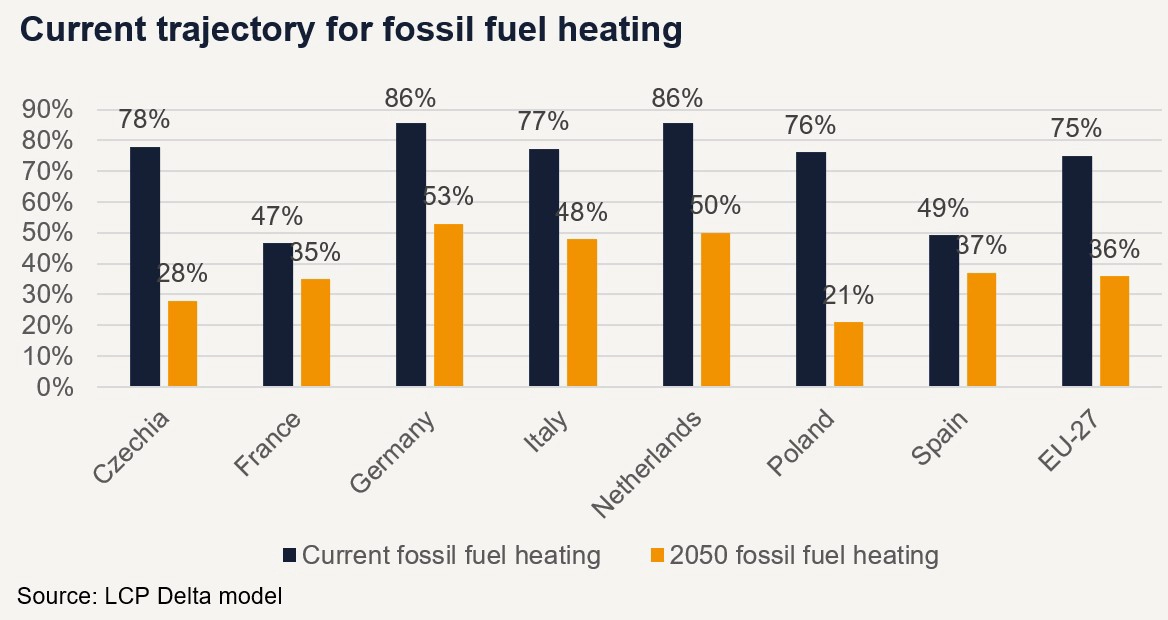 Figure 1: Current trajectory for fossil fuel heating
New technologies do not need to change, but their financing does.
The technologies needed for the green transition already exist, including district heating, heat pumps, geothermal energy, and solar thermal; new technologies are not needed.  However, an LCP Delta survey in 2025 found that 60% of households consider the upfront costs of new energy technologies too high, especially for heat pumps.
From this, it is evident that improved affordability is one of the major changes needed. Faced with this, last year, LCP Delta was commissioned by the Cooling Heating Coalition, the Brussels-based NGO, to carry out an in-depth assessment of the finance required for the heating and cooling transition across seven members of the EU (Czechia, France, Germany, Italy, the Netherlands, Poland, and Spain) and the types of government policy that can unlock the sources for this finance.
How can the finance be assessed?
To carry out the assessment, from today’s starting point, three scenarios were evaluated:
- Where will the current trajectory lead by 2050?
- What is needed for a 2040 transition (given the lifetime of the technologies involved, arguably 2040 should be the target—otherwise 2050 could be missed)?
- What is needed for a 2050 transition?
For each scenario, the following was calculated:
- The deployment required for the necessary technologies
- The total cost
- How that cost could be financed through public policy and the private sector
As you can imagine, the number of factors needed to model these scenarios is vast—for example: which technologies are included; the number of installations required; equipment and installation costs; workforce training; operating costs; government policy design and the level of public funding available; how those policies are financed; the scale of private-sector capital that could be mobilised; and what “affordable” looks like for different household types. To capture these elements, a comprehensive model was developed, the results of which are summarised below.
Figure 2 summarises the modelling approach, showing how a wide range of inputs feeds into the model and produces the scenario results.
Overall Study Approach
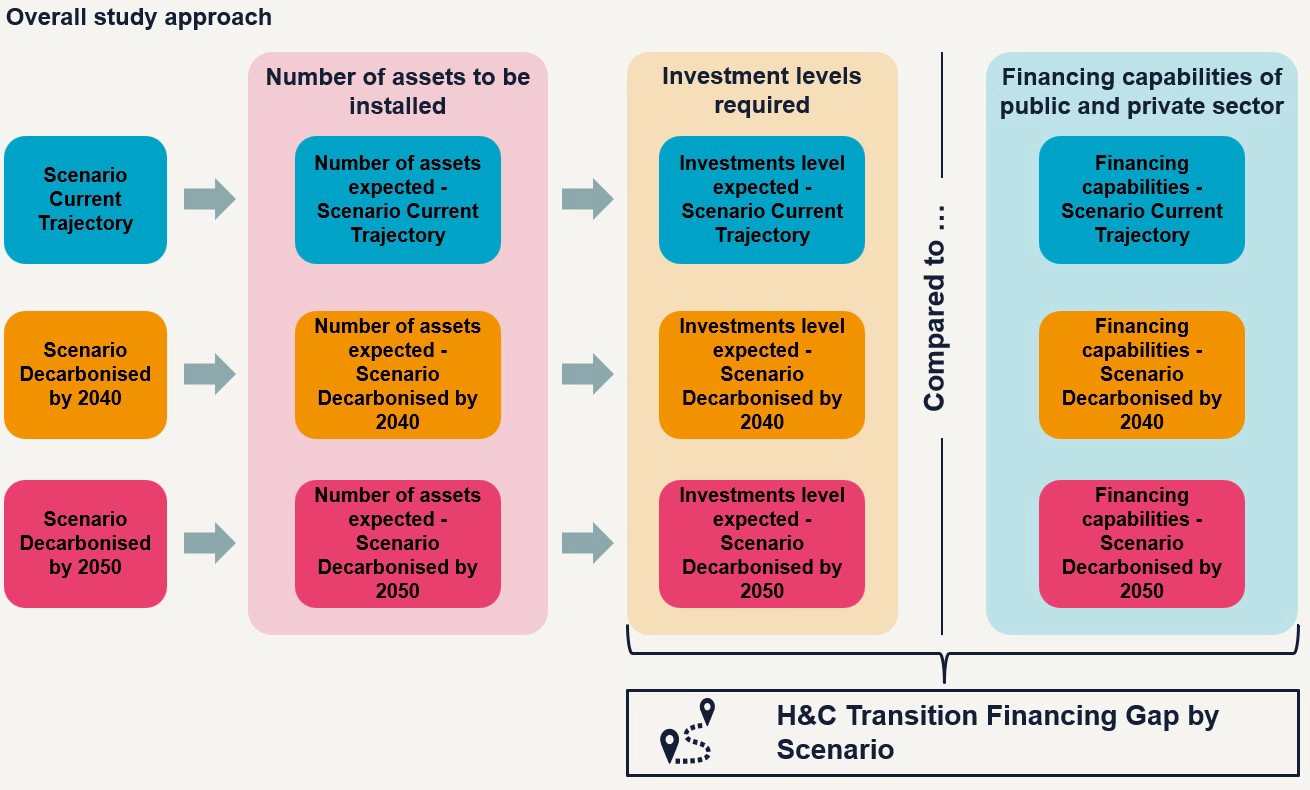 Figure 2: H&C Transition Financing Gap by Scenario, copyright LCP Delta 2025
As stated, the current trajectory scenario still has fossil fuels providing a third of heating and cooling in the EU. Whilst increases in all technologies are forecast, with new district heating networks contributing ~11% in each of France, Italy, and the Netherlands, the increase is not enough.
To put the shortfall in context, the model forecast an extra 3.3 million individual homes served by district heating in the current trajectory to 2050 in France, compared to the 12.2 million that would be needed to achieve the green transition; with new heat pumps in Germany at 7.7 million by 2050, compared to the 22.1 million needed for the full transition.
Aggressive growth rates or no 2040 success:
Turning to the scenario where the transition is achieved by 2040, aggressive annual growth rates will be required: district heating in France needs to grow by 14.2% annually, with an even higher figure of 26% in Italy to meet the 8 million individual connections needed in the country.
Those countries with substantial existing district heating, Czechia and Poland, whilst in a stronger starting position, require significant work to move the existing networks with millions of connections to clean energy. The 2050 scenario, predictably, requires lower but still ambitious growth rates to be achieved.
The cost to 2050 and unlocking the finance for it.
To look at the cost required for the transition, this article focuses on the 2050 target. The absolute amounts vary by country, with Czechia needing a linear €2bn per year to reach a fully transitioned sector, compared with Germany’s €25bn.
Germany was found to be an outlier in the report due to the cost structure within its heat pump market. Heat pump installations in Germany cost almost twice as much as similar installations in France or the Netherlands. The costs all used a net present value calculation and provided the target for what finance is needed to meet the transition.
For finance, an assessment was made of what the existing market structure could provide, compared with the finance that will be needed, with the gap between the two detailed. It did this by considering existing government policy and estimating how much private finance it could unlock. The report found that current financing capabilities are insufficient to meet the required financing.
With this result, it was then calculated how much extra public funding would be required to unlock the private market funds. To provide an example of what this looks like, in Italy an extra €2.9bn of public financing would unlock a further €4.7bn in private-sector funding.
Effective policies and funding them:
During the evaluation of the government policy landscape, a number of effective policies were detailed that, if scaled, can enable households to afford the technologies. Policies that provide subsidies either directly or through adjusting the spark gap or VAT on the equipment.
Not only do these provide direct support to households, but they also provide the certainty for companies involved in the transition to plan ahead. Companies can then make the financial investments needed to build the momentum in the sector.
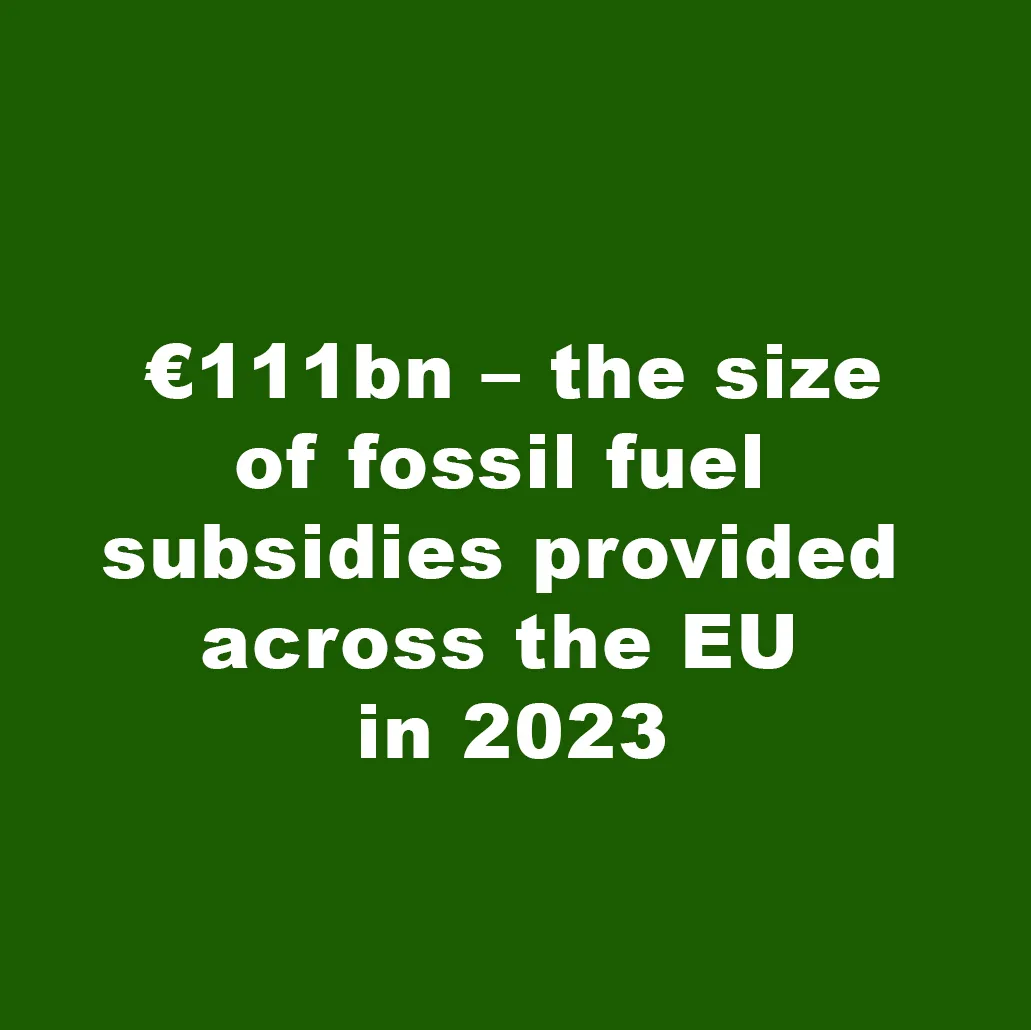 However, how can governments finance the scale of policies needed? Redirecting fossil fuel subsidies can play a huge part in the solution. The model estimated that, at the EU level, €78bn in additional annual funding is needed to meet the 2050 transition for the heating and cooling sector. A significant sum.
However, in 2023, the EU provided €111bn to subsidise fossil fuels. Even allowing for 2023 being an exceptional year, using the €57bn that was used to subsidise fossil fuels in the less volatile 2015, a redirection of these subsidies would provide the lion’s share of the public funding needed, and launch the private sector into providing vast amounts of finance.
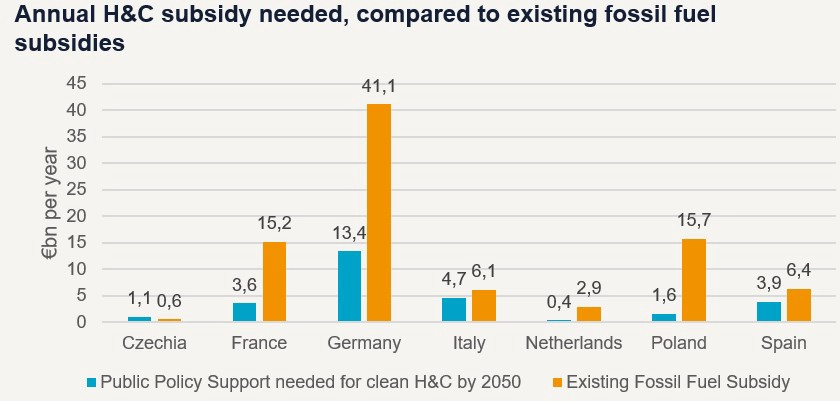 Figure 3: Fossil fuel subsidies in Europe, source here.
The private sector’s role:
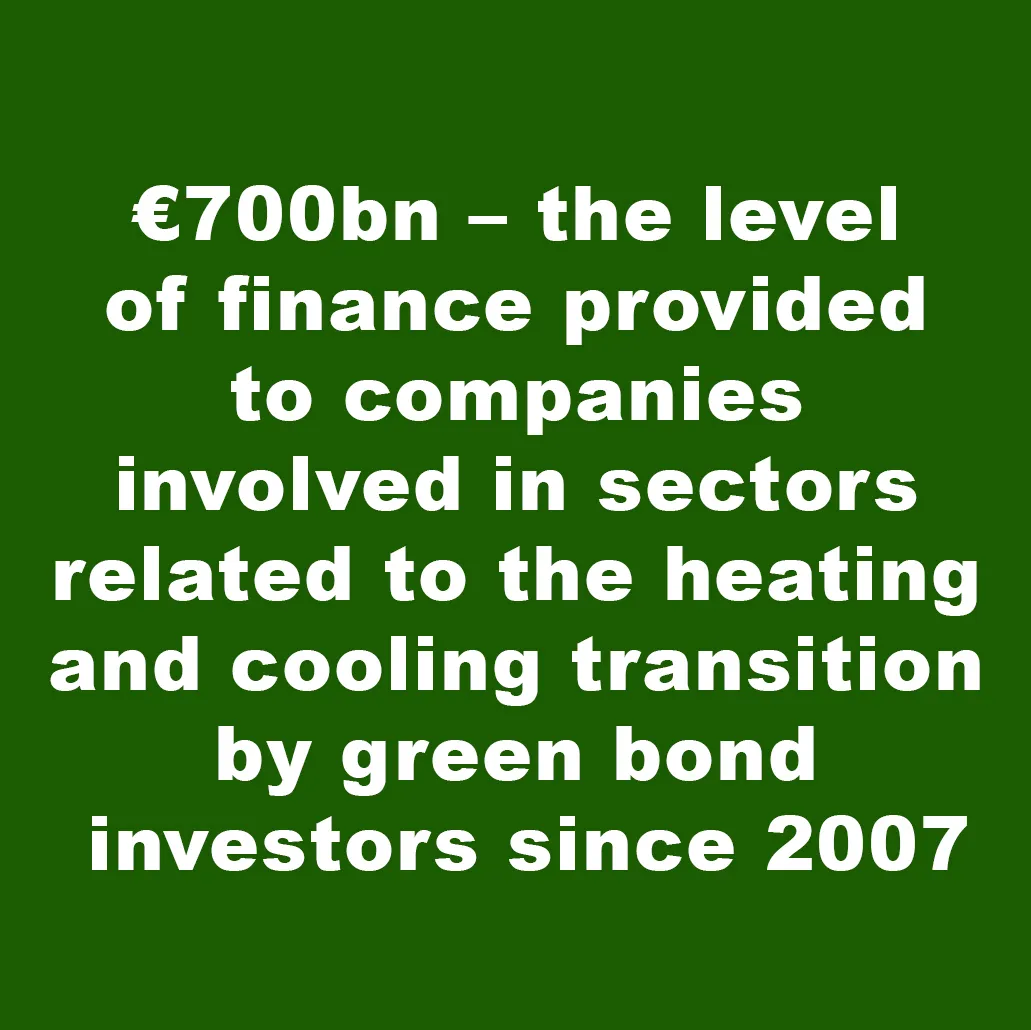 Most importantly, the provision of this funding would unlock significant amounts of private finance. Whilst there are a number of finance options within the private sector, the report focuses on the potential for green bonds to provide significant levels of finance.
Since green bonds were introduced in 2007, private companies in sectors that will be involved in the heating and cooling transition have raised ~€700bn. A vast sum, showing the scale of funding available, if the green bond market can be unlocked further.
The companies that have raised finance in the green bond market include:
- France’s Engie, one of the leading companies involved in developing the market of geothermal district heating.
- Italy’s A2A, another major participant in the district heating sector, and operator of Milan’s district heating network.
- The Netherlands’ Alliander and its subsidiary, Firan, will be key to developing its heat and cooling networks.
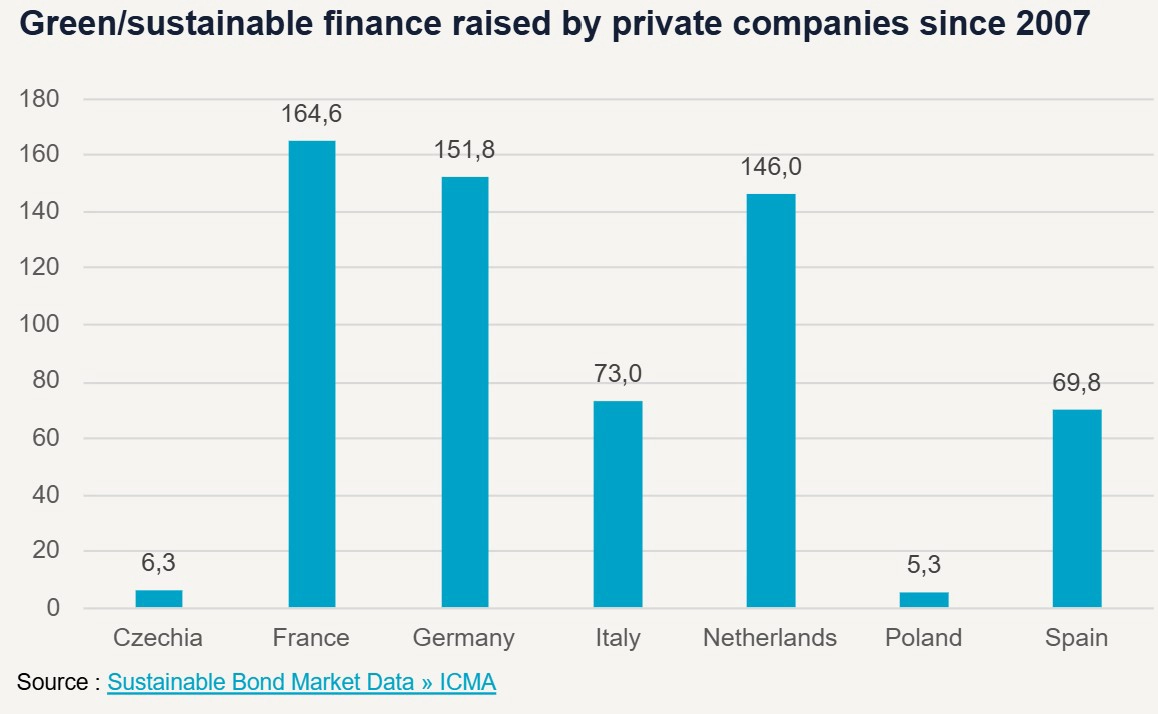 Figure 4: Green/sustainable finance raised by private companies since 2007
And what of the private finance needed to fund households? Through the same green bond finance structure, entities can provide households with affordable finance solutions. In doing so, they remove the upfront capex requirements to connect to a district heating network or install a heat pump. Instead, they are transformed into affordable monthly payments. Examples of the types of products that can be developed include:
- Spain’s Ibercaja Vivienda + Sostenible loan products.
- Poland’s BOS Bank offering ecological mortgages.
- The Netherland’s ING’s Green Lion financing structure providing green mortgages.
- Czechia’s CEZ and Komercni Banka providing clean heating and cooling finance.
Putting the cost into perspective:
As one can imagine, the levels of finance that all of this analysis calculated were significant. However, it is vital to put the figure into context. Consequently, in addition to the transition analysis, the study also assessed the cost of “business as usual.” A situation where the transition does not take place.
If this were to happen between now and 2050, the fossil fuel equipment would all need to be replaced due to breakage, which would itself incur costs. Furthermore, the fossil fuel equipment is less efficient and therefore more costly to run. Again, a cost factor that needs to be taken into account (with an example detailed below).
Savings the most likely outcome:
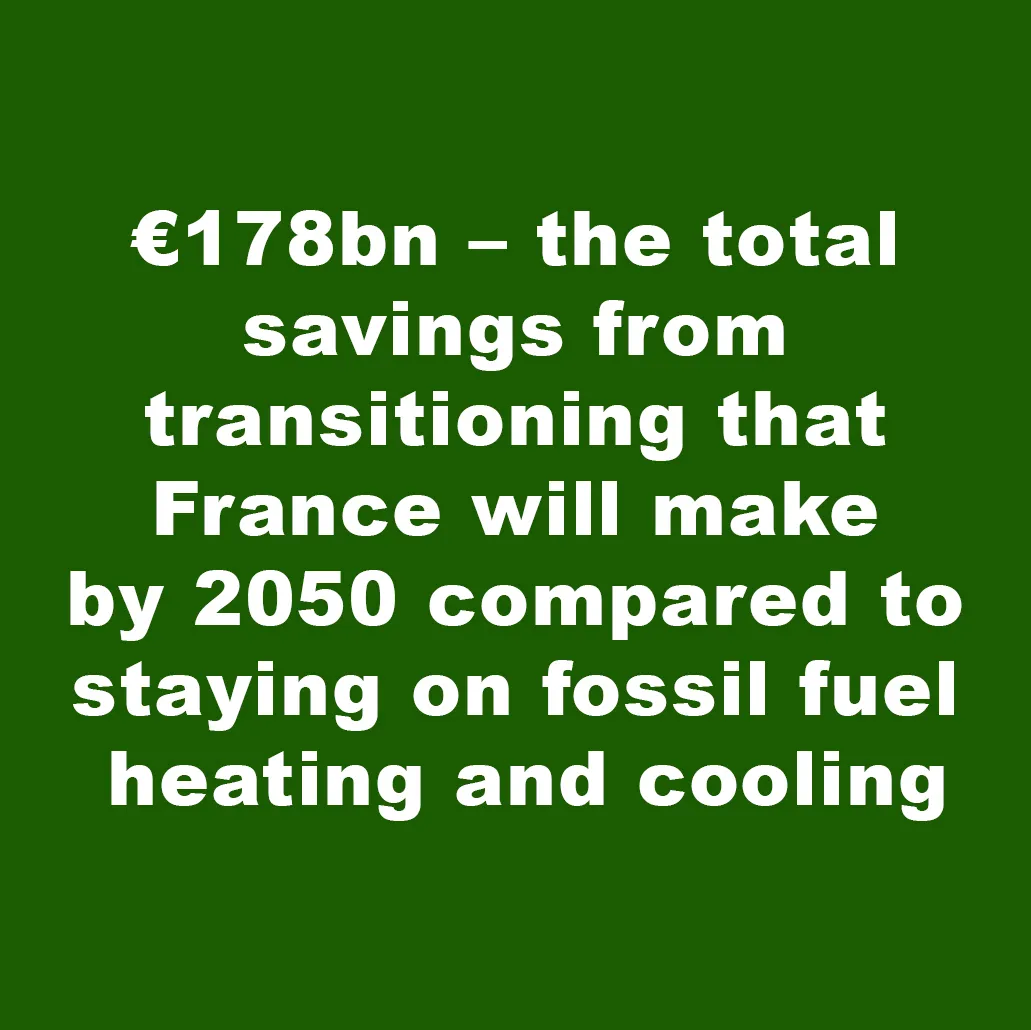 Bringing all of the report findings together, it was found that transitioning to clean heating and cooling by 2050 results in net savings for five of the seven countries studied in detail. France showed the highest savings of €178bn, with the transition costing €188bn, considerably cheaper than the €366bn in the business-as-usual scenario.
Only Germany and Spain saw higher transition costs than under a business-as-usual scenario. Germany, due to its heat pump market structure, and Spain, hindered by its unfavourable spark spread (the ratio between the price of electricity and gas) impacting on the benefits of electrification.
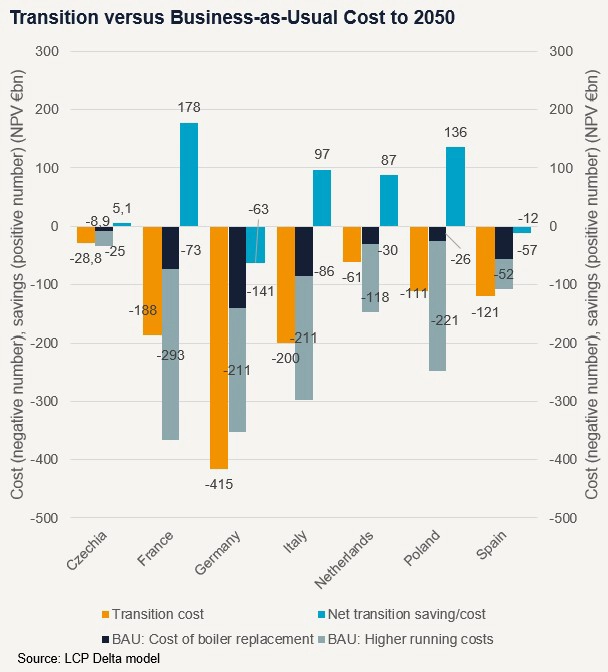
Figure 5: Transition versus Business-as-Usual Cost to 2025
In conclusion, the right government policies can be put in place to encourage the private sector to commit substantial capital to greening heating and cooling. This financing enables the provision of affordable solutions for households and results in a successful transition.
Furthermore, the transition is beneficial not only for the climate but also for households’ finances, saving money compared with remaining on current fossil-fuel solutions.
For further information, please contact: Duncan Sutherland at Duncan.Sutherland@lcp.com