Europe’s district heating systems are increasingly using large-scale heat pumps, electrical boilers, geothermal energy, waste heat, and other renewable sources. Electrification is an important part of this transition. But as electricity plays an even larger role across the energy system, demand will grow, adding pressure to already constrained electricity grids.
This makes efficient electricity use increasingly important and raises the question: how much electricity should we use to produce one unit of renewable heat? Green Therma is taking a different approach: bringing geothermal heat to the surface at a usable temperature, eliminating the need for a heat pump, and using electricity primarily to circulate the working fluid.
For geothermal energy, the answer depends significantly on the temperature delivered from the subsurface. Where a heat pump is needed to raise geothermal heat to district heating supply temperatures, the compressor becomes a major source of electricity consumption. If geothermal heat can instead be brought to the surface at a directly usable temperature, that electrical demand can largely be avoided.
With district heating infrastructure expected to operate for decades, electricity consumption and its impact on the grid should therefore be weighed alongside heat price, reliability, and carbon emissions.
Why COP matters to the wider energy system
The Coefficient of Performance (COP) expresses the amount of useful heat delivered per unit of electricity consumed. A COP of 4 means that 1 MW of electricity input delivers 4 MW of useful heat, while a COP of 40 delivers 40 MW from the same electricity input.
MW heat delivered by 1 MW electricity at different COP levels
| COP | Electricity consumed | Heat delivered |
|---|---|---|
| 1:4 | 1 MW | 4 MW |
| 1:10 | 1 MW | 10 MW |
| 1:20 | 1 MW | 20 MW |
| 1:40 | 1 MW | 40 MW |
Figure 1. Illustrative calculation based on COP = useful thermal output/electricity input.
COP values must always be considered in the context of system boundaries and operating conditions. But the figures illustrate that different renewable heating technologies can require vastly different amounts of electricity to deliver the same amount of heat. This is one of the principles behind Green Therma’s solution for direct use in district heating.
Bringing usable temperatures to the surface
Green Therma’s Heat4Ever™ concept uses a deep closed-loop well. Water circulates down the well, absorbs heat from the surrounding geological formations, and returns to the surface through a vacuum-insulated pipe.
Heat4Ever™ is designed to deliver heat directly to the district heating network without a heat pump. Instead of powering a compressor to raise the temperature, electricity primarily circulates the working fluid. Green Therma’s current design expects approximately 1.5–3.0 MW of thermal output at approx. 80-85 degrees Celsius from a well, with a circulation pump of around 50 kW.
The system-level COP is calculated as thermal output divided by the electricity consumption of the circulation pump, corresponding to a calculated COP of approximately 30–60.
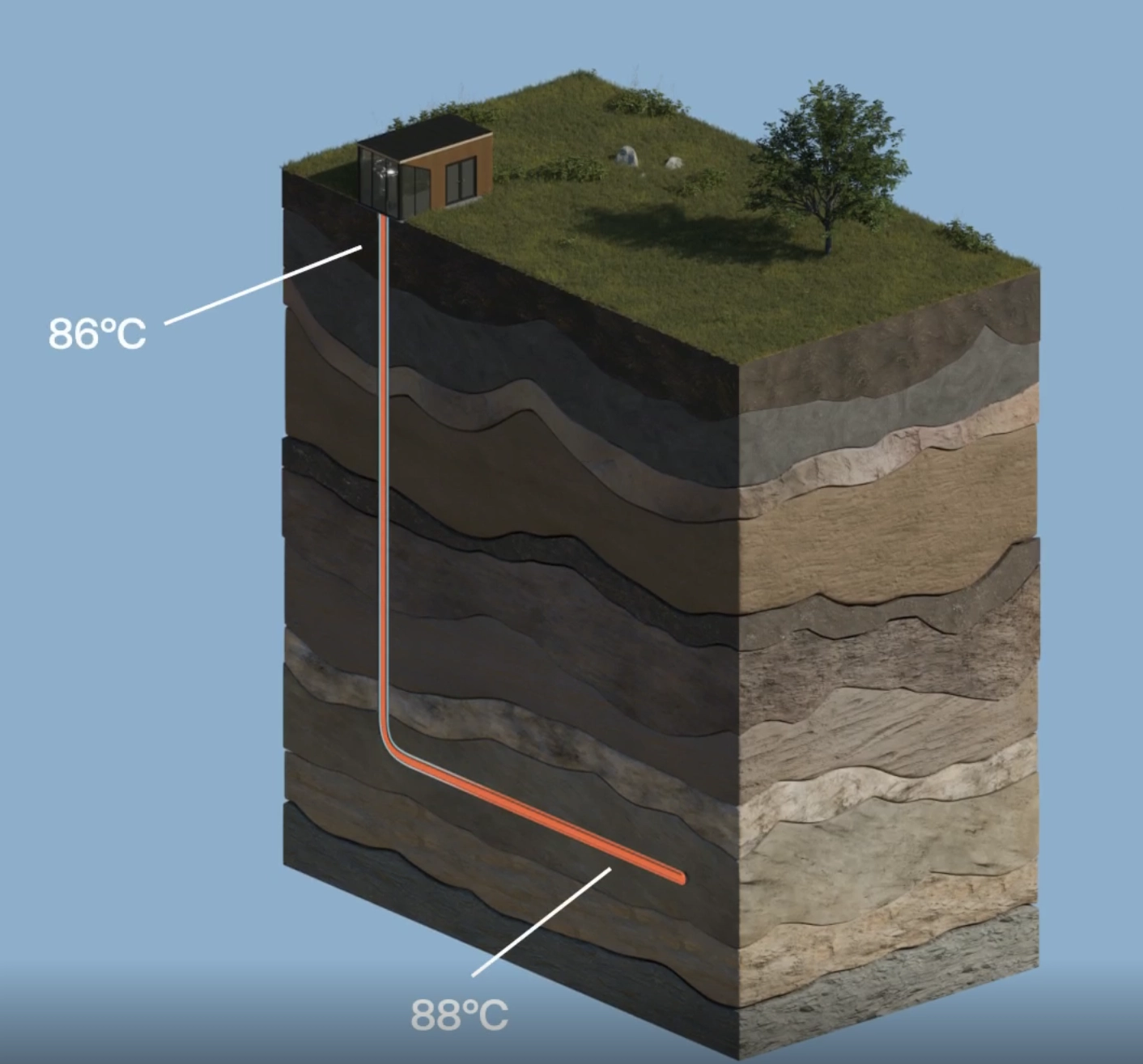 Figure 2. Temperatures shown are illustrative and highlight the performance of our vacuum technology. Actual temperatures will vary with local geology.
Putting the principle into practice in Aalborg
In Storvorde near Aalborg, Green Therma and Aalborg Forsyning are developing a geothermal plant designed to deliver heat directly into the local district heating network. Green Therma will establish and operate the plant, while Aalborg Forsyning will purchase the heat under a 30-year offtake agreement. The well is planned to reach approximately 4 km vertical depth, followed by a horizontal section of around 3 km to increase heat transfer. Drilling is scheduled to begin in January 2027. The EUDP-supported project is designed to deliver up to 2 MW of thermal output.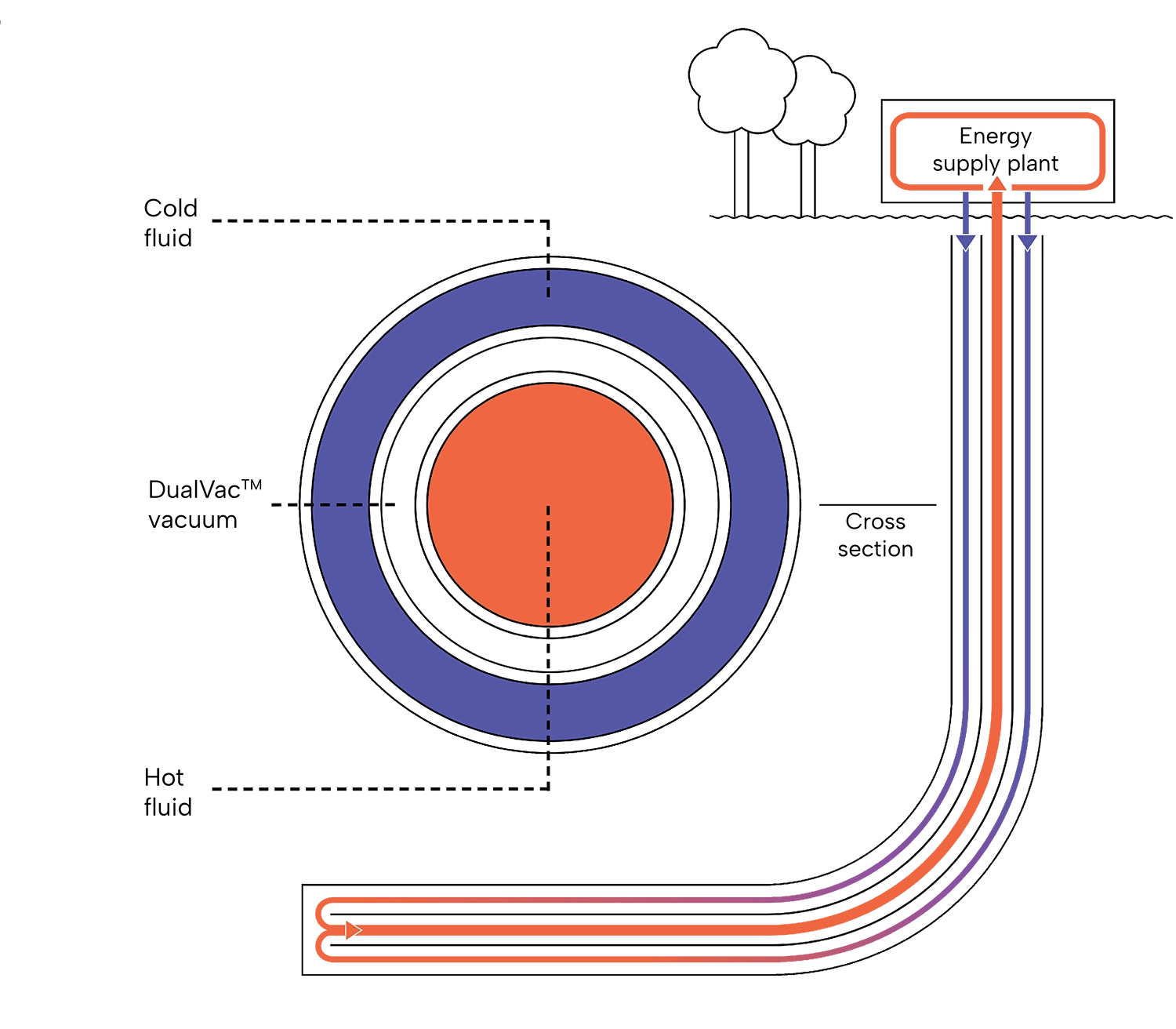
Figure 3. Illustration of the Heat4Ever™ solution completed with DualVac™ technology.
Heat production is only half the equation
No single technology will supply tomorrow’s district heating systems. Heat pumps, surplus heat, geothermal energy, thermal storage, and other sources will increasingly operate together.
But as these systems evolve, evaluating renewable heat only by how much heat a technology can produce – or at what cost – tells only part of the story. As electricity demand grows across heating, transport, industry, and other sectors, the electricity required to deliver each MWh of useful heat becomes increasingly relevant to the wider energy system.
For Green Therma, the wider ambition behind closed-loop geothermal is to provide stable, direct-use renewable heat at relevant temperatures, with low electricity demand. The question for future heat supply is therefore not only how much renewable heat we can produce, but how efficiently we use electricity to deliver it.