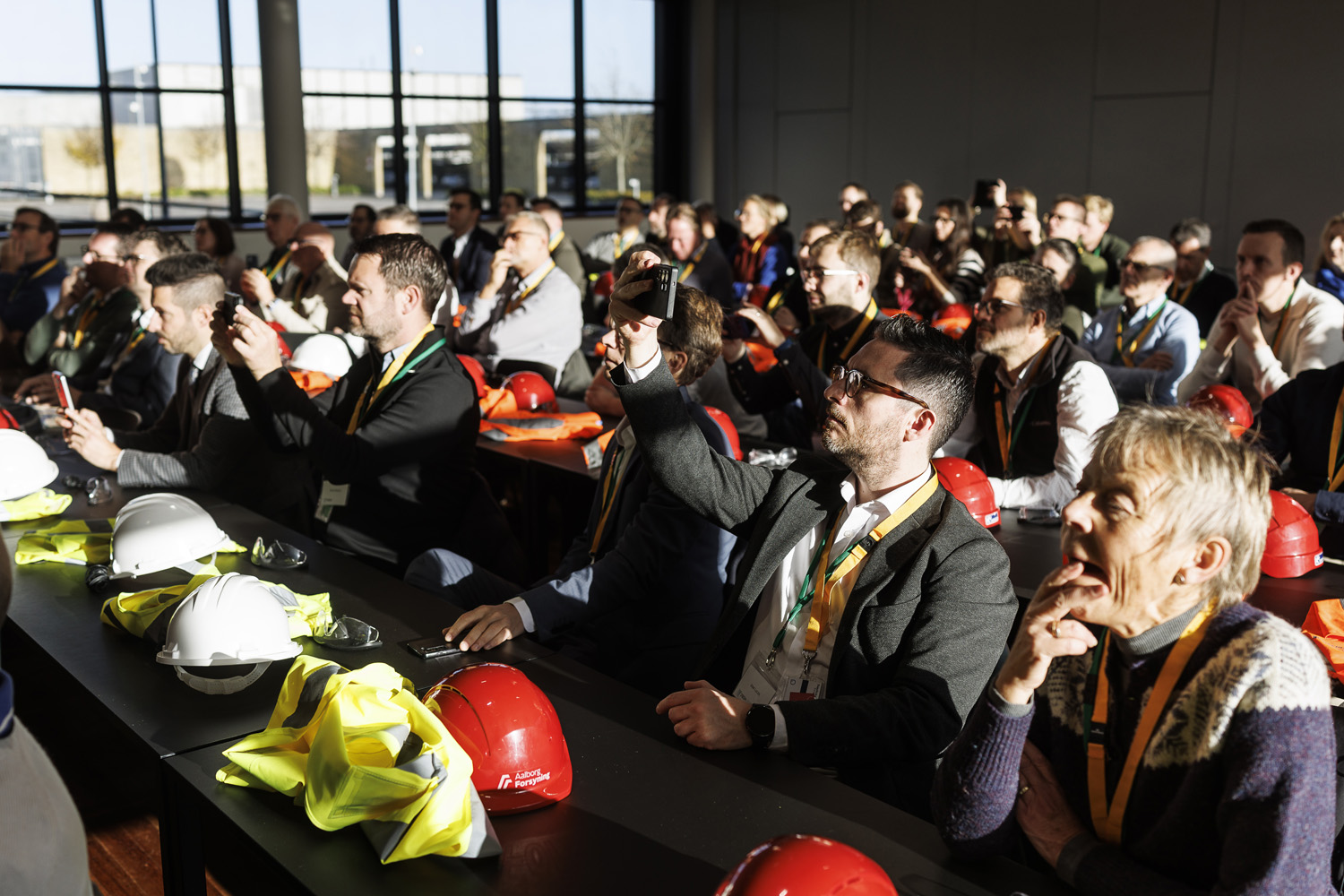
Turning ambition into reliable, affordable heat was the connecting theme of the two-day International District Heating Summit in Aalborg. Across policy, technology, financing and customer service, the focus was on the practical conditions that turn a heat transition into working infrastructure.
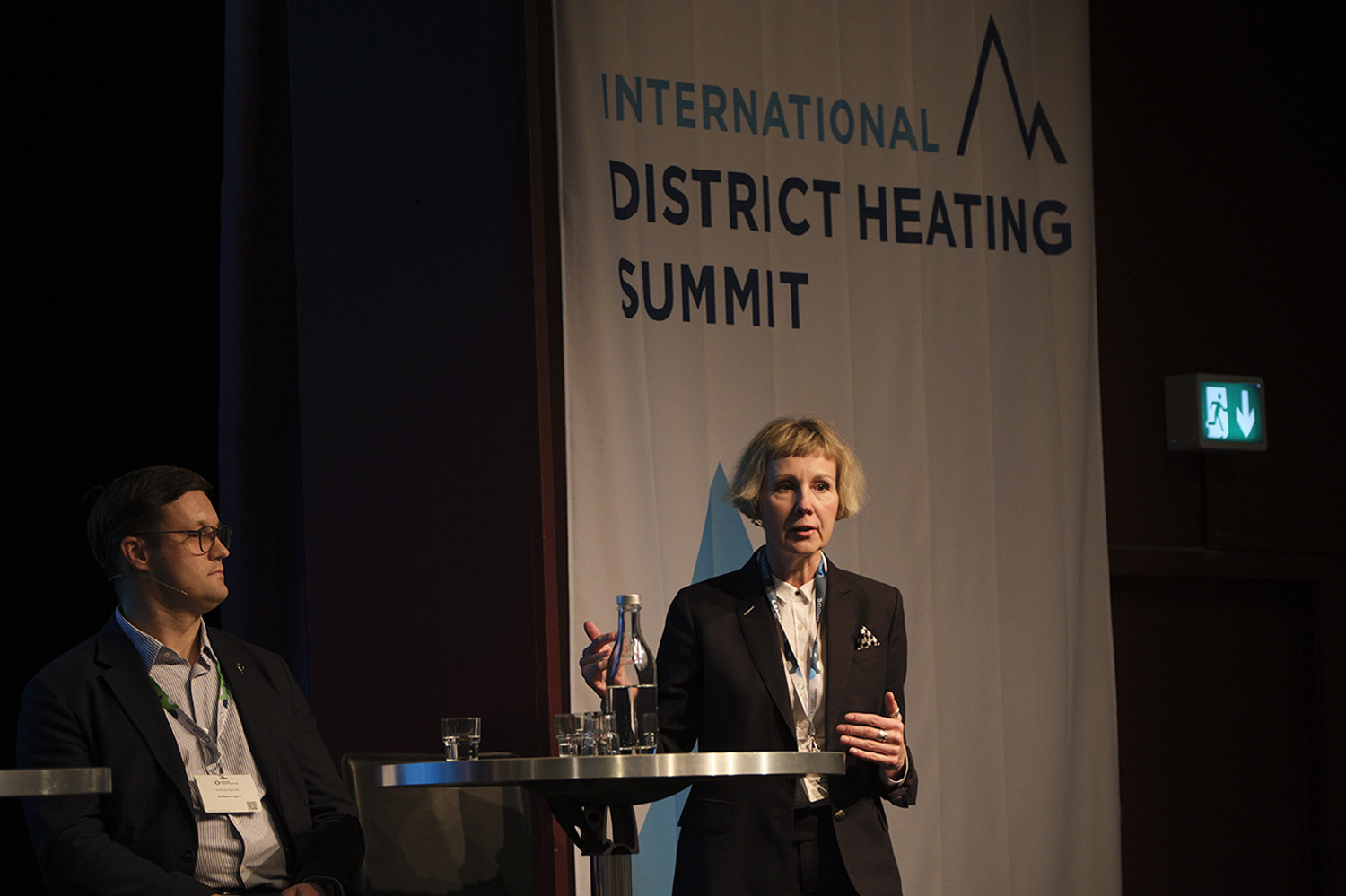
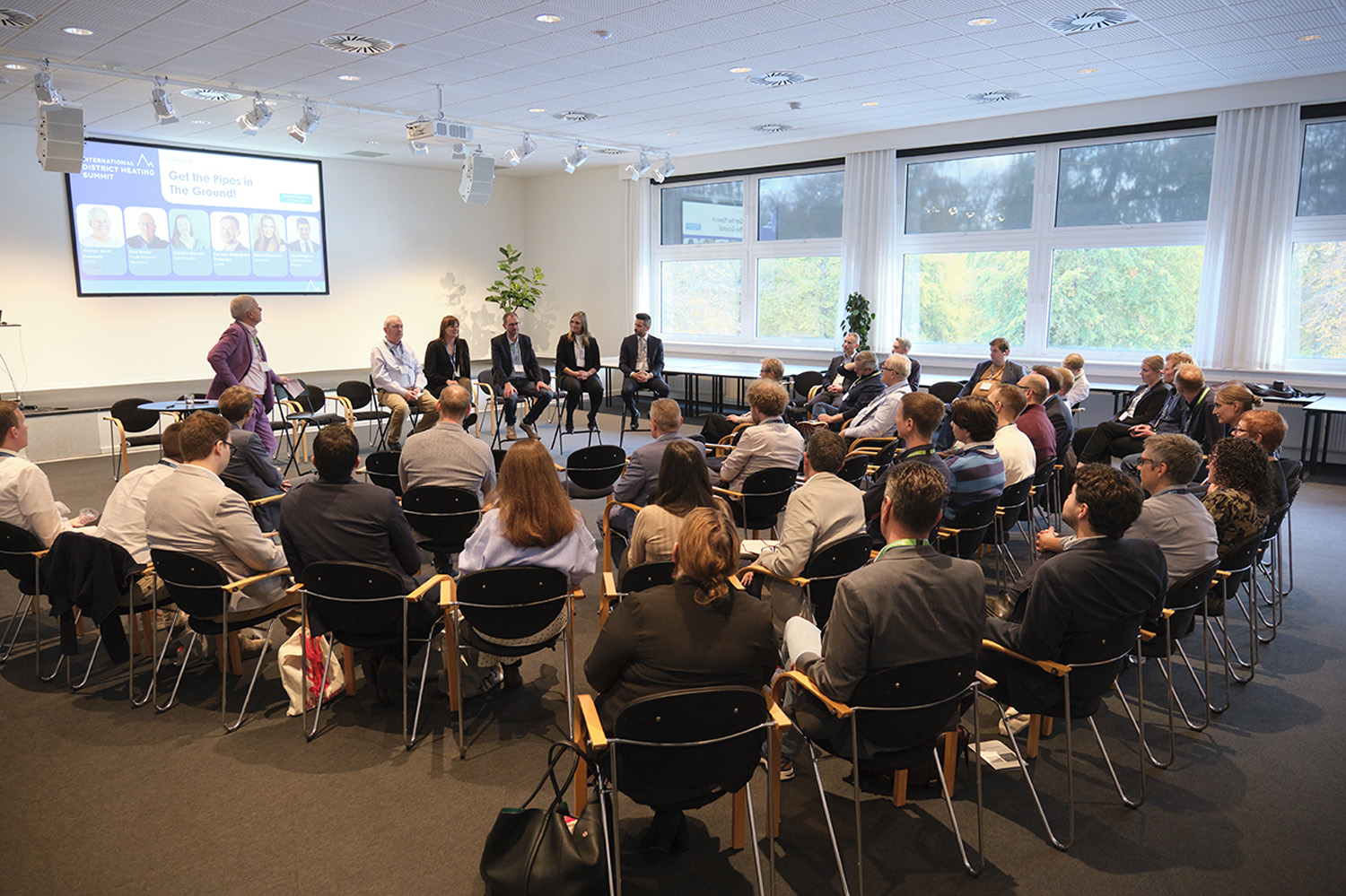
The photo above by photographer Jesper Voldgaard
Europe’s district heating challenge extends well beyond choosing the next heat source. It is also about moving projects through development, coordinating local decisions and creating a service that customers want to connect to. These linked questions framed the second day of the International District Heating Summit at Aalborg Congress and Culture Center on 29 October.
Different starting points, a shared delivery challenge
The Netherlands’ Collective Heat Act and Germany’s municipal heat planning were among the European perspectives underpinning the day’s focus on local delivery. Alongside utility experience, they highlighted the relationship between national direction and local implementation: a heat plan is a starting point, but the route to an operating network also involves project development, investment, and coordination between municipalities and utilities.
The Dutch approach to sharing early-stage risk added a financial dimension. By pairing development finance through Ontwikkelfonds Warmte with practical support from Buurtwarmte, the model addresses the uncertain phase before a cooperative heat project reaches a final investment decision. It offered a concrete reference point for a wider European question: who carries the cost and risk of turning a promising idea into an investable project?
Learning from experience without repeating every step
Danish experience provided a practical reference, but not a development path that every country must reproduce. The next-generation district heating theme put lower temperatures, intelligent metering, digital operation and flexible heat sources together as elements that new and expanding systems can consider from the outset.
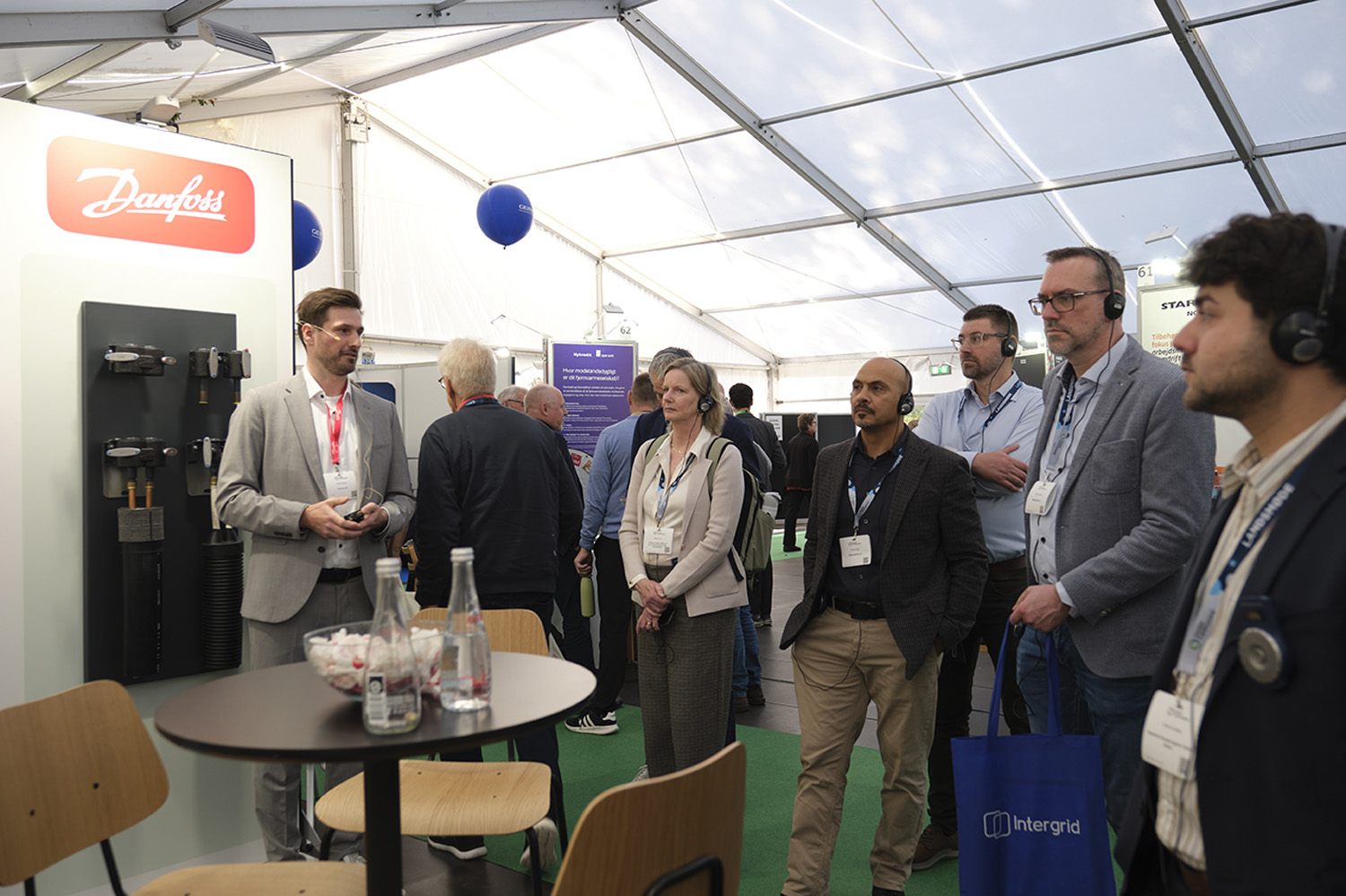
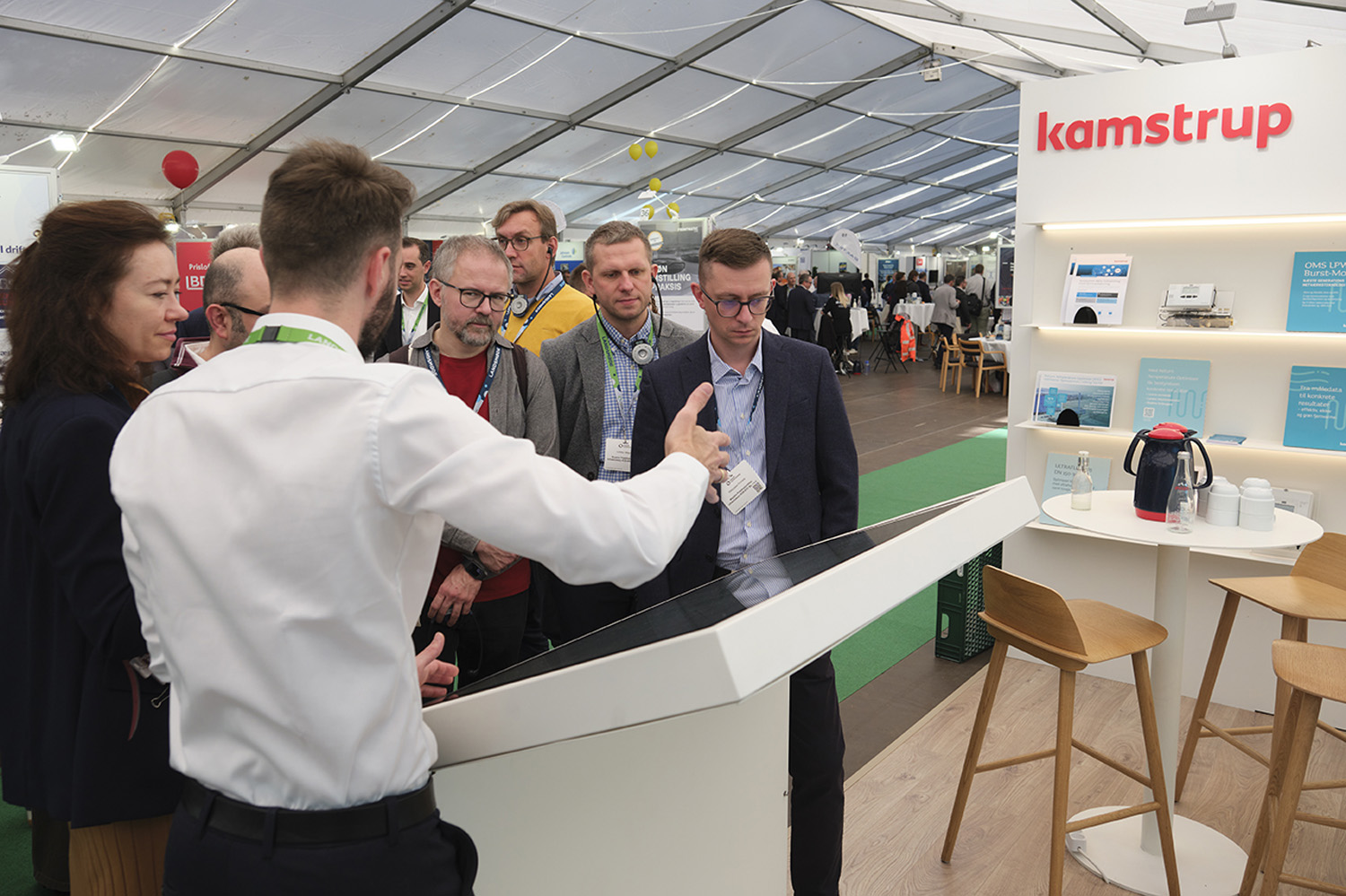
The guided exhibition tours connected these system-level questions with technologies and expertise. DBDH, the Danish Trade Council and State of Green contributed to routes covering future heat sources, digitalisation, energy-system planning, and lower temperatures and efficiency. Danish-German cooperation on large-scale heat pumps and the focus on excess heat recovery added further perspectives on moving technologies and available heat resources into practical use.
Getting the pipes in the ground is only the beginning
The two fishbowl workshops captured two sides of the delivery challenge. “Get the Pipes in the Ground” focused on the move from planning to construction and on how local authorities and district heating companies can advance projects with greater confidence. “Fill the Pipes!” shifted the emphasis from heat sources to heat services: combining renewable supply and smart operation with fair prices, reliability and a straightforward customer experience.
Together, the workshop themes provided a useful lens for the day as a whole. Building infrastructure and building customer confidence are connected tasks. The network must be delivered, but its long-term purpose is the heat service it provides.
Reliability belongs at the centre of the transition
The session on energy security and resilience in practice brought together experiences and lessons from Lithuania, Ukraine, the UK and Scotland. It explored how to keep heat affordable and supplies reliable while moving away from fossil fuels in an increasingly variable energy system.
Geopolitical shocks, volatile energy prices and physical disruption made resilience a central consideration alongside decarbonisation.
Asked which single decision would make district heating more resilient, the answers highlighted four priorities: greater flexibility, particularly where electricity grid capacity is limited; closing the price gap between electricity and gas to make electrification more attractive; diversifying heat production to reduce dependence on any single fuel; and using digitalisation to optimise operations and make better use of available energy sources.
One message stood out: resilience must be built before a crisis hits. Diversification, fuel traceability and sufficient reserve capacity were highlighted as essential to maintaining reliable heat supplies when conditions become difficult.
A concrete example of ambition becoming infrastructure
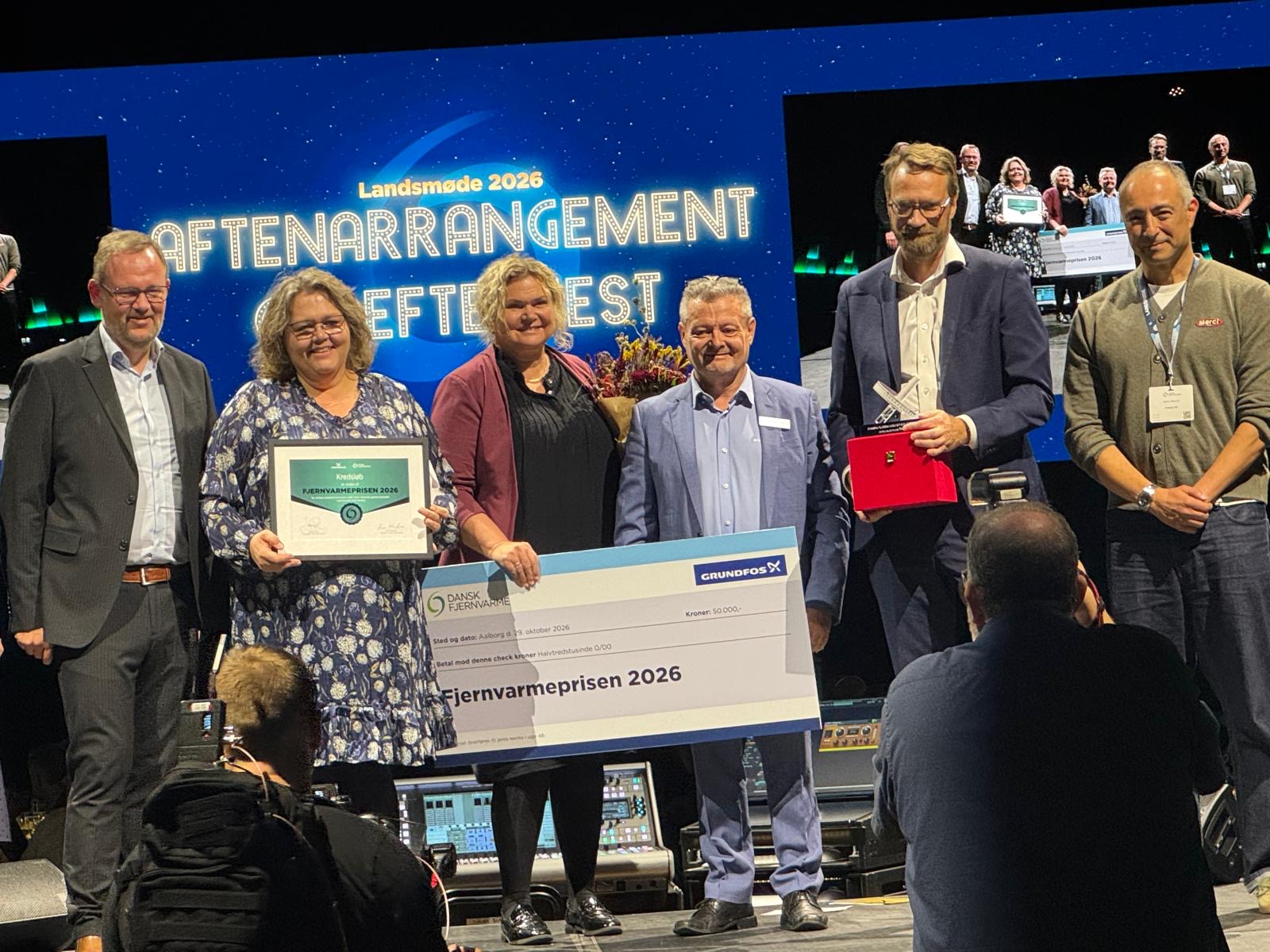
That evening, a Danish project offered a tangible example of the move from potential to delivery. At the Danish District Heating Association’s annual meeting in Aalborg, Kredsløb received the 2026 District Heating Award for its geothermal project with Innargi. The partnership combines Innargi’s subsurface expertise and drilling responsibilities with Kredsløb’s role in integrating geothermal heat into the district heating system.
The project provides a fitting closing perspective on the day’s themes. The heat transition is not a choice between better policy, new technology, finance or customer focus. It is the work of bringing those elements together so that plans become infrastructure—and infrastructure delivers dependable heat.
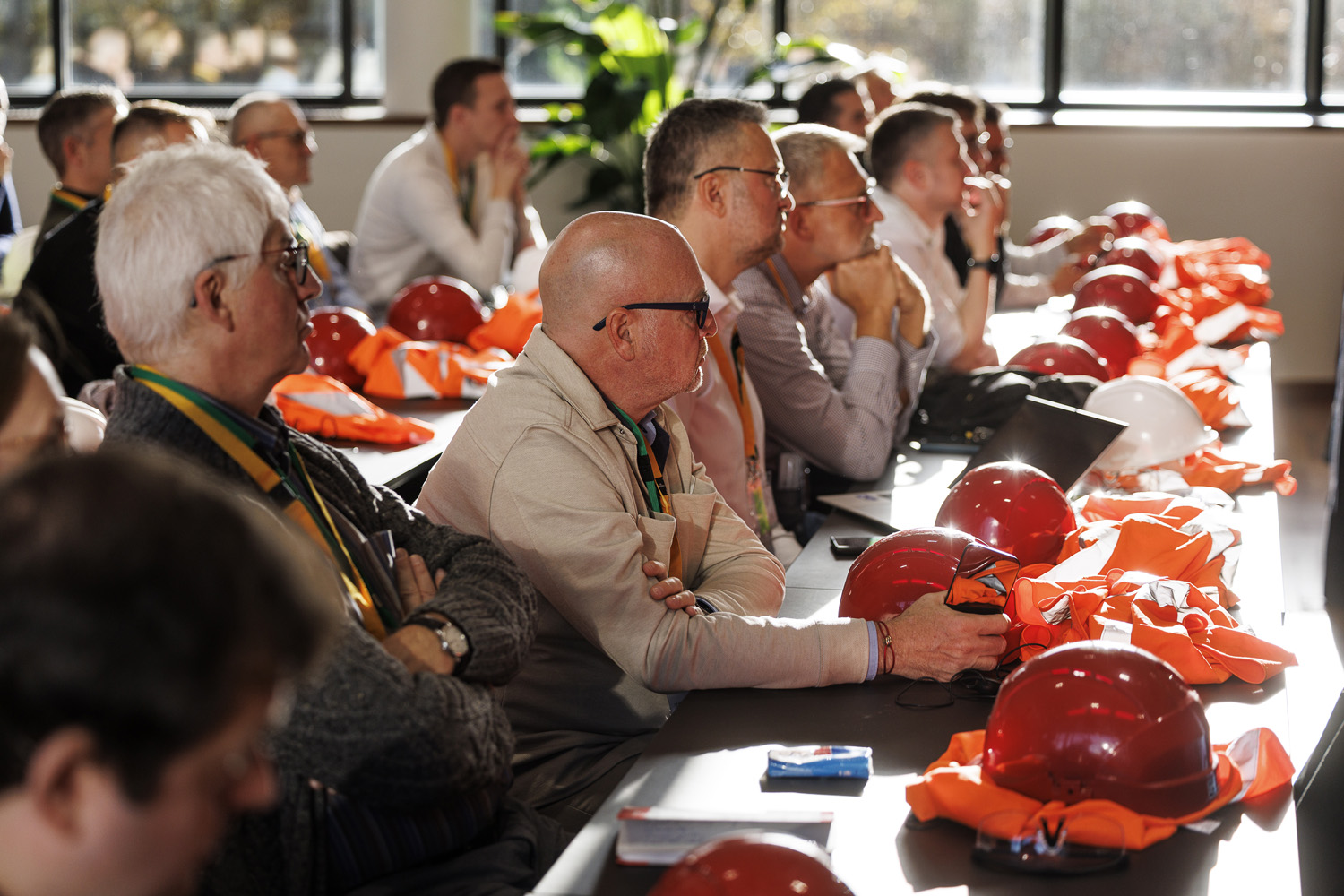
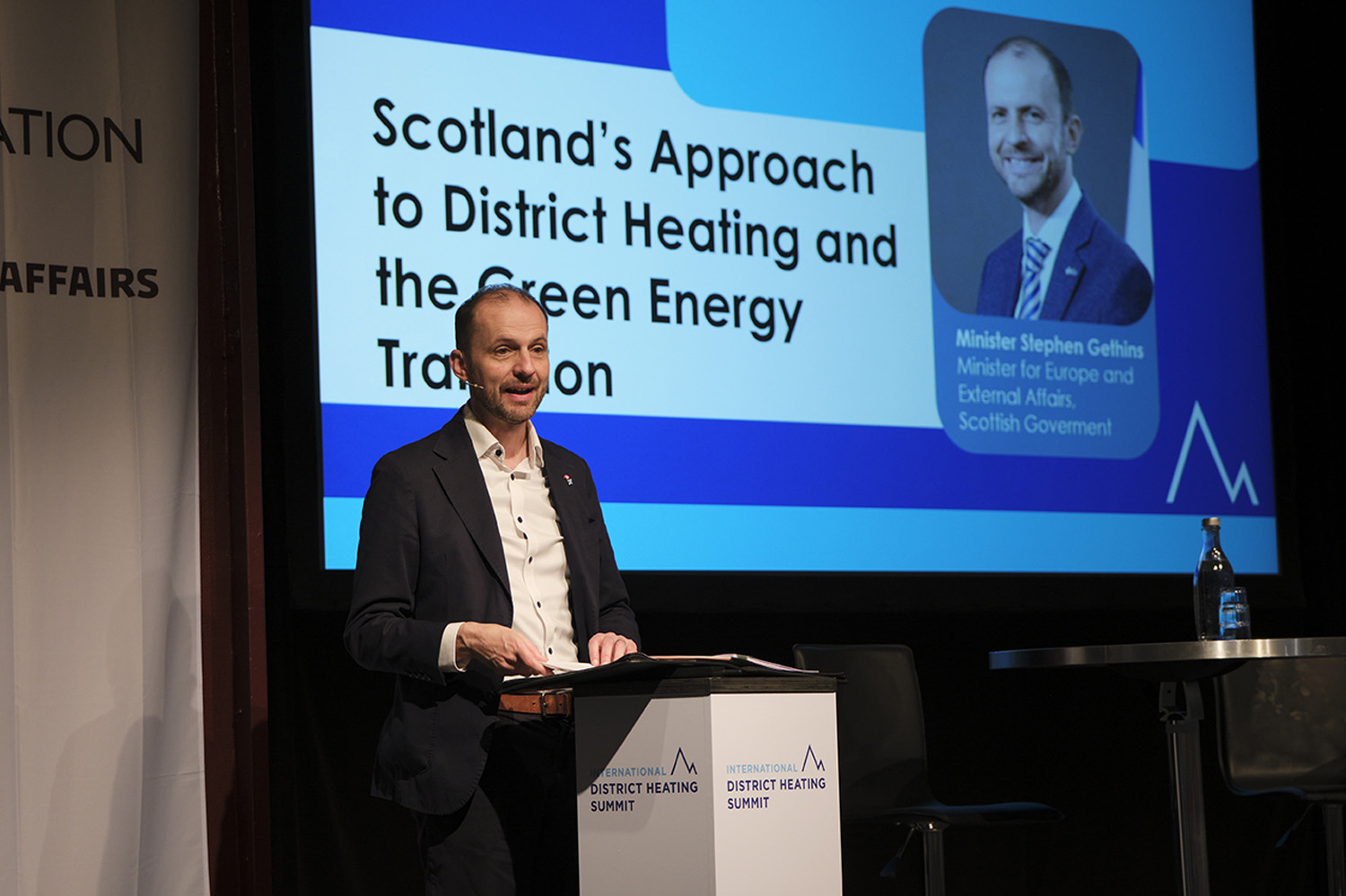
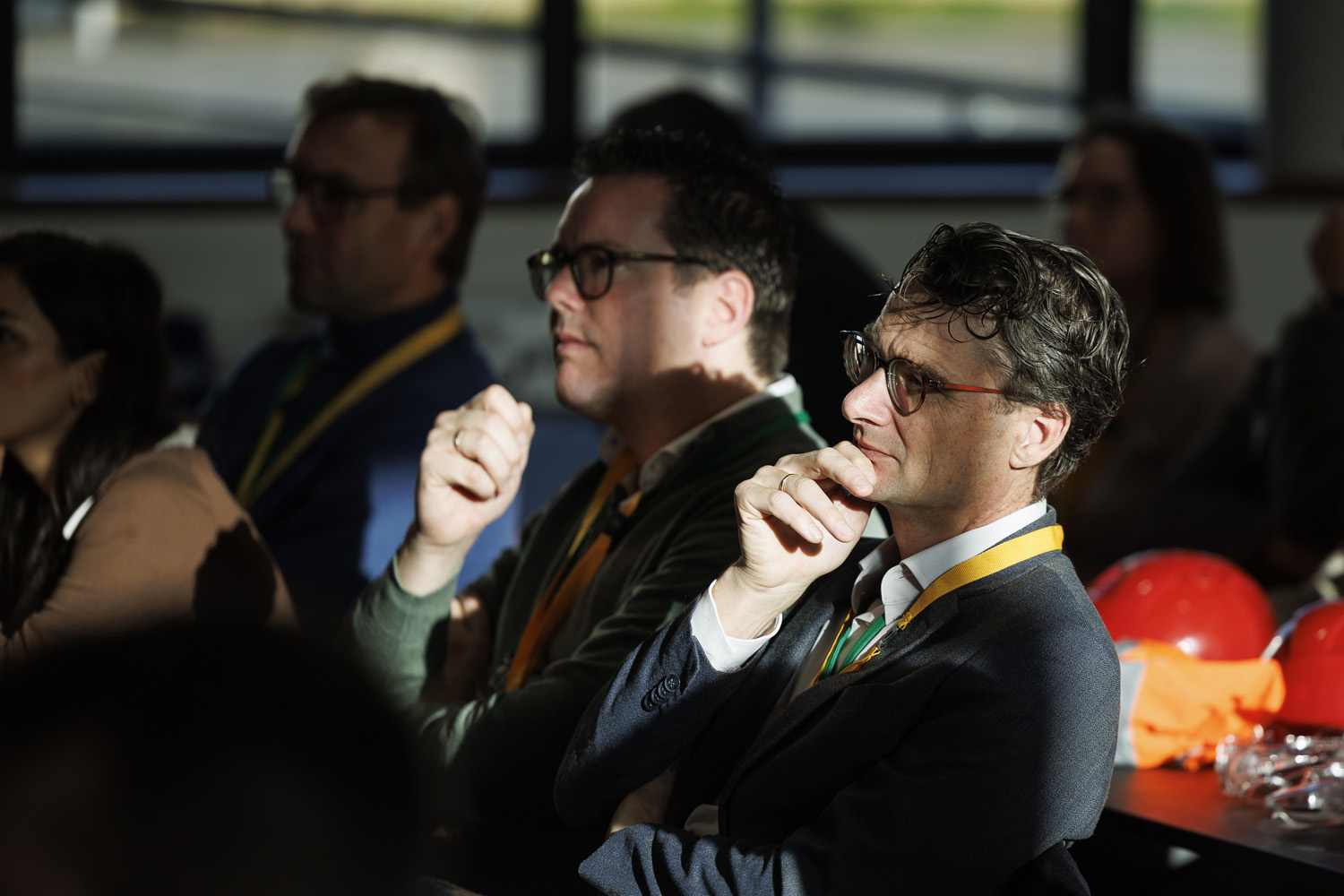
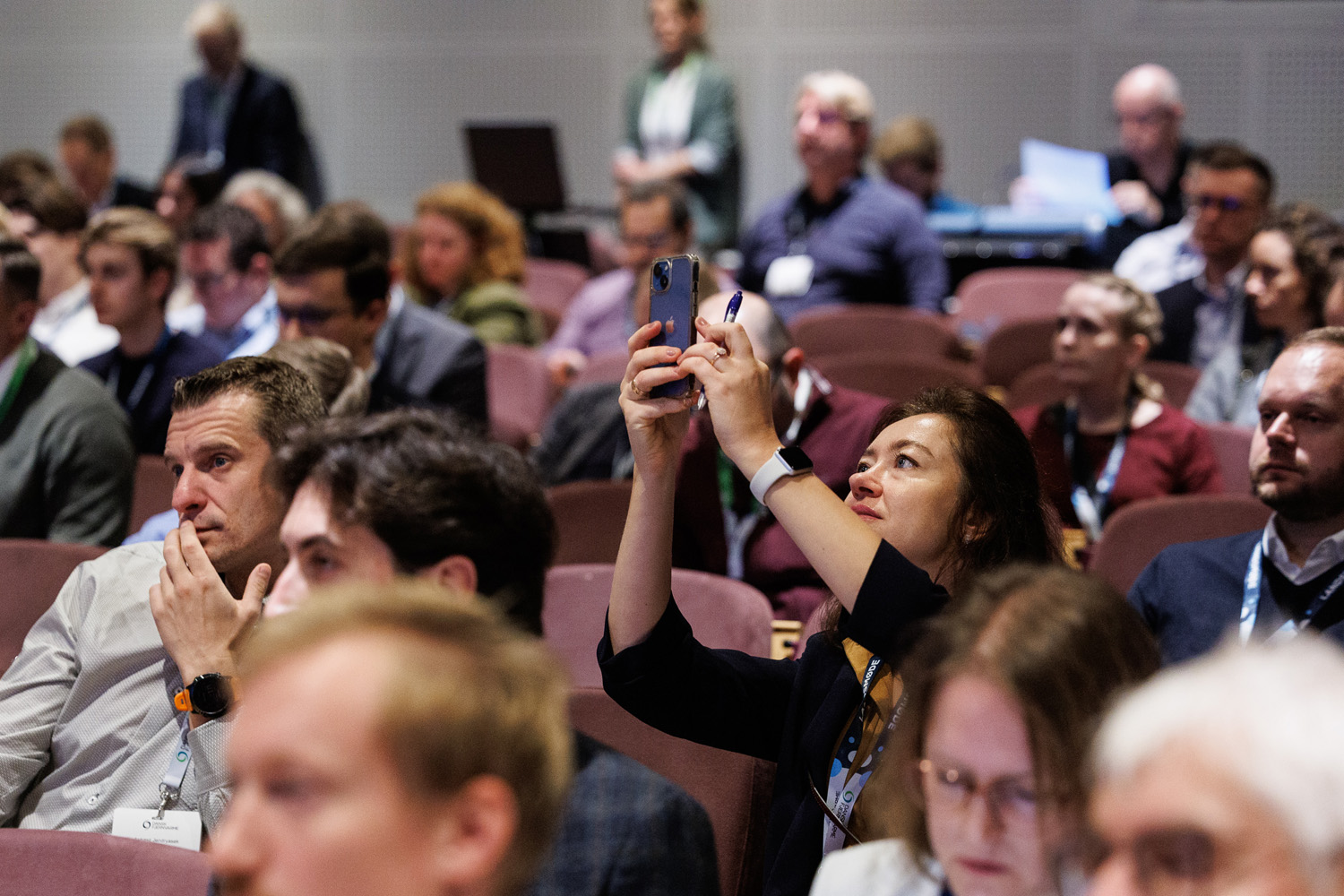
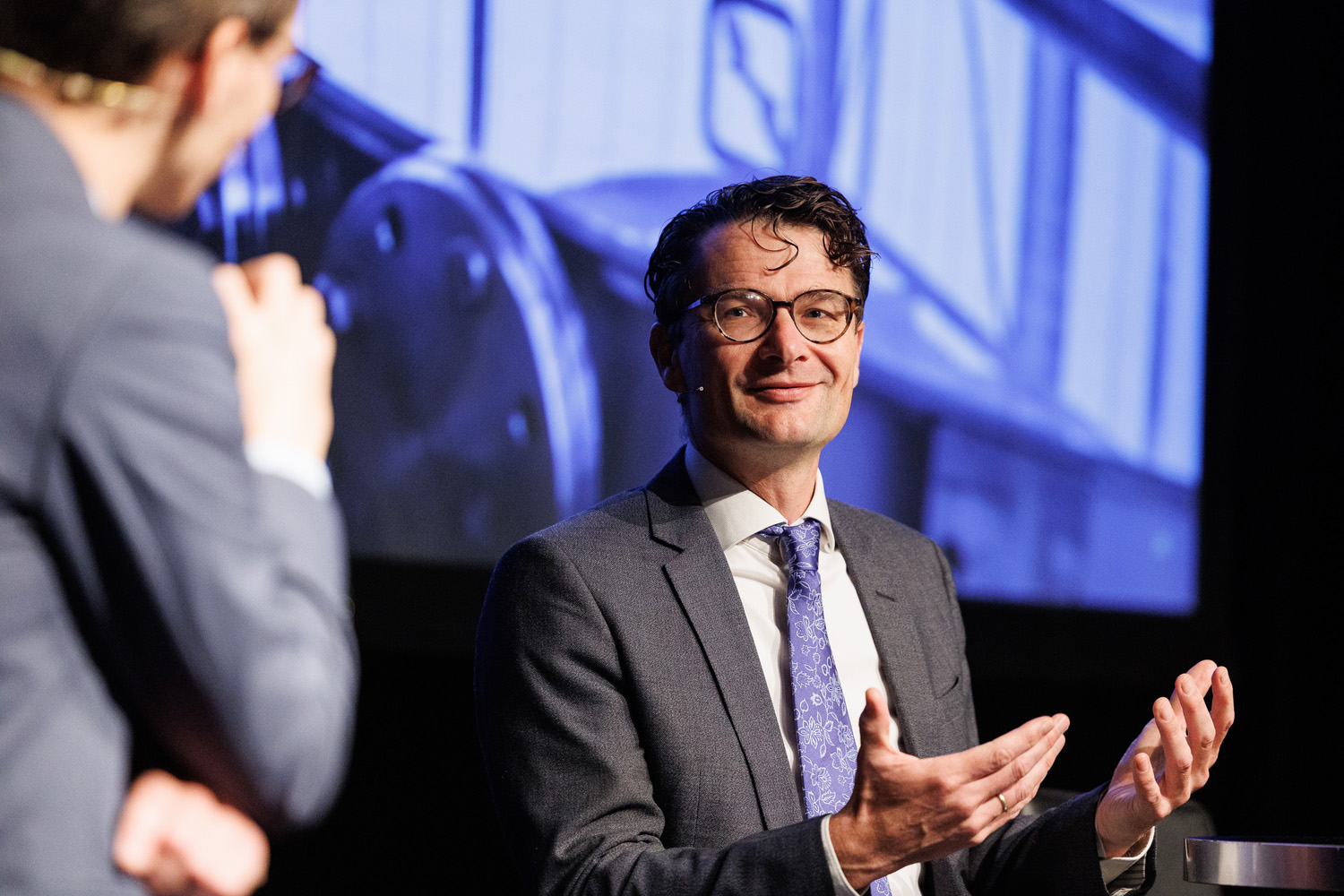
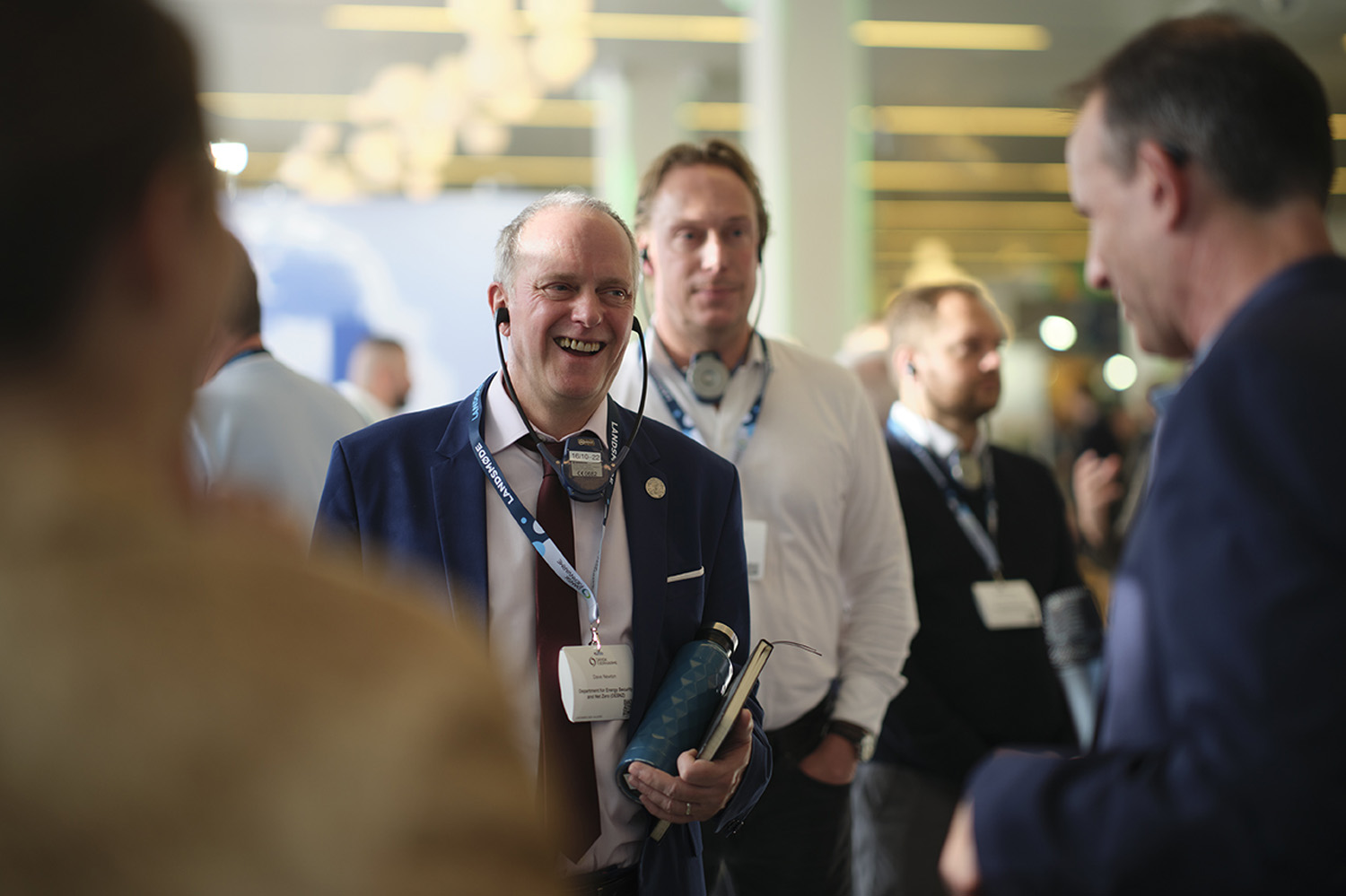
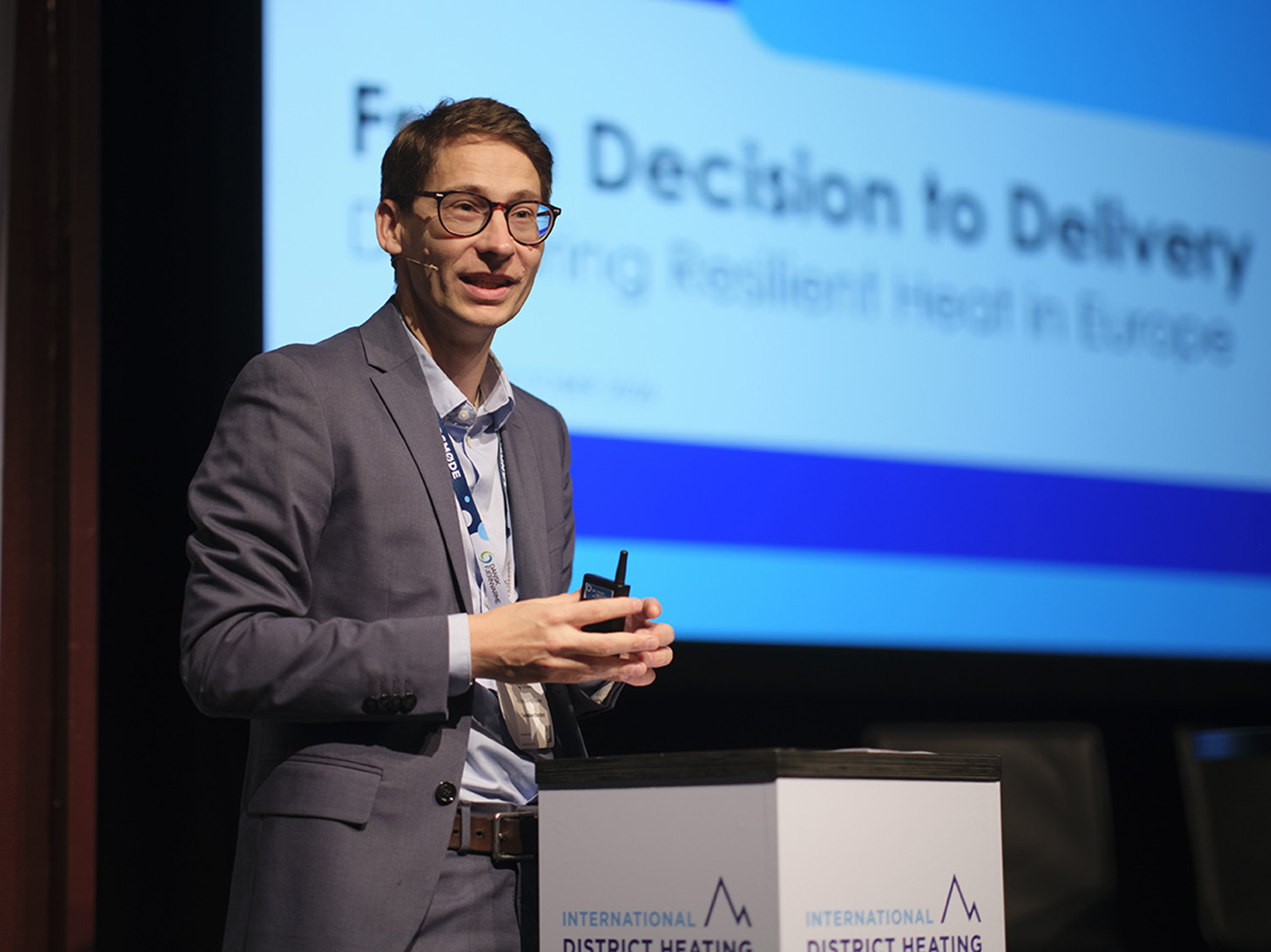
Photos below by Birthe Vembye and Jesper Voldgaard






 Curious to learn more?
Read the latest industry news on dbdh.org here.