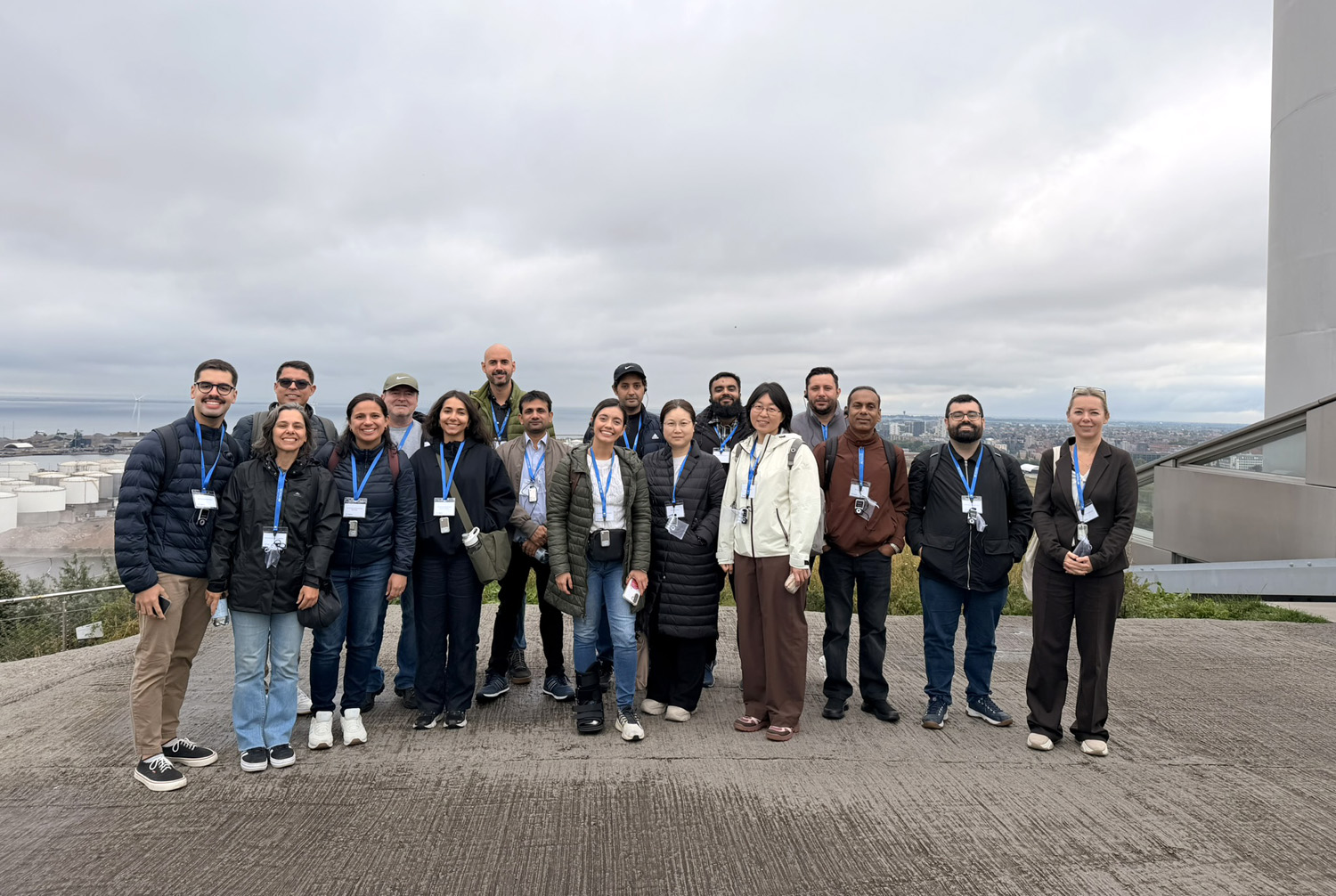
What do Brazil’s electricity peaks, Pakistan’s growing cooling demand, and China’s district heating transition have in common? They all present opportunities for district energy solutions. During a three-week Danida Fellowship Centre course in Denmark, energy professionals from five countries explored how Danish experience could help address their own energy challenges.
💡 From Danish experience to Brazilian innovation
What if Danish thermal storage technology could help solve Brazil’s electricity peak challenges?
Inspired by Danish district energy solutions, a Brazilian course participant developed a proposal to store surplus renewable electricity as heat during the day and use it when demand peaks in the evening.
This is international knowledge sharing in action: not copying the Danish model, but adapting Danish expertise to solve local energy challenges.
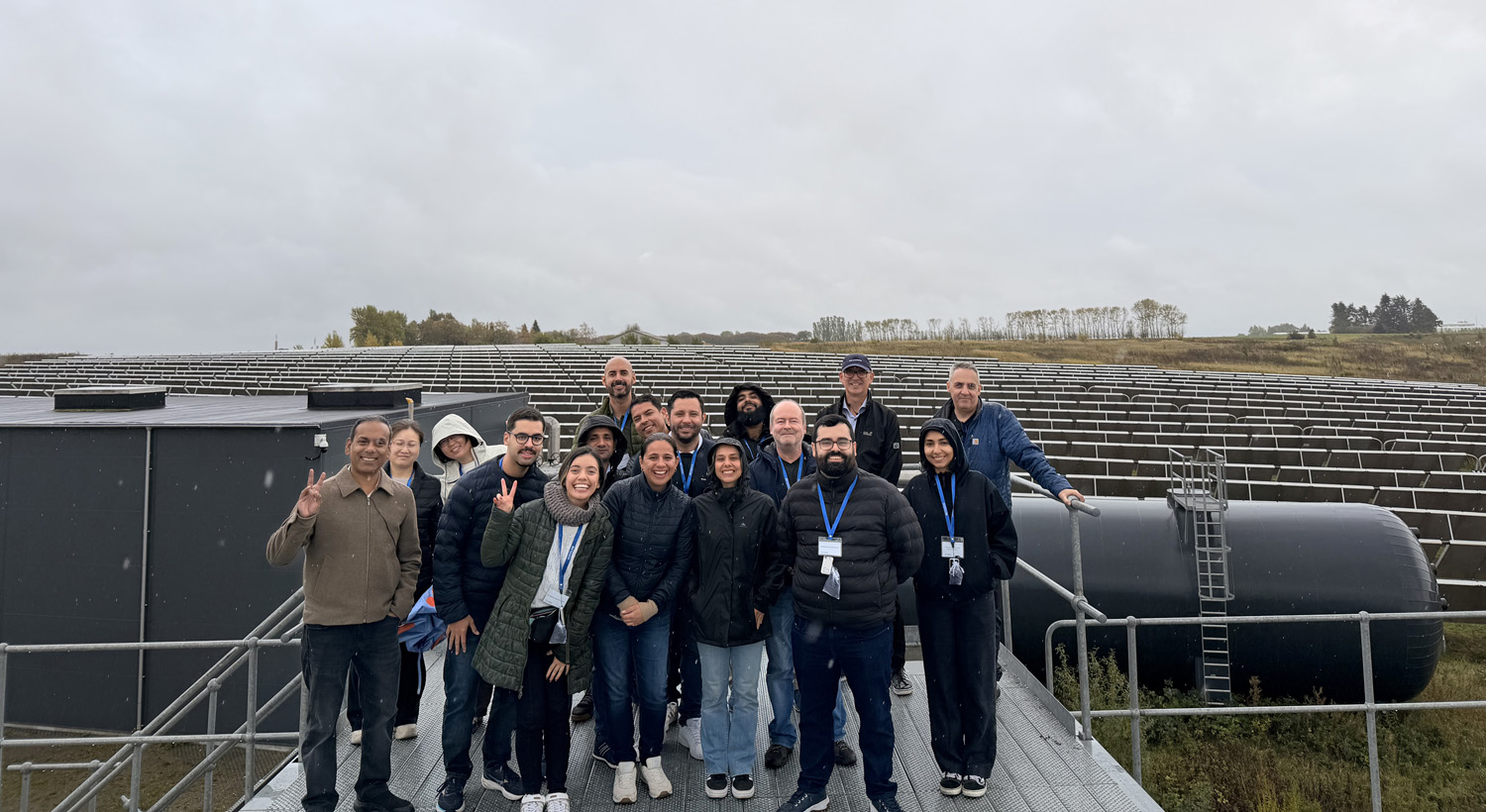
From 21 September to 9 October 2026, energy professionals from Brazil, China, Colombia, India and Pakistan participated in Clean District Energy – Next Generation District Energy Systems.
The international training programme was organised by the Danida Fellowship Centre, with Energy Modelling Lab and DBDH contributing expertise, practical training and technical site visits.
The objective was to strengthen participants’ understanding of modern district heating and cooling systems and equip them with knowledge and tools to support district energy development in their home countries.
Learning from Danish district energy experience
Denmark has decades of experience developing integrated district heating systems, combining energy efficiency, renewable energy, surplus heat utilisation and increasingly flexible energy solutions.
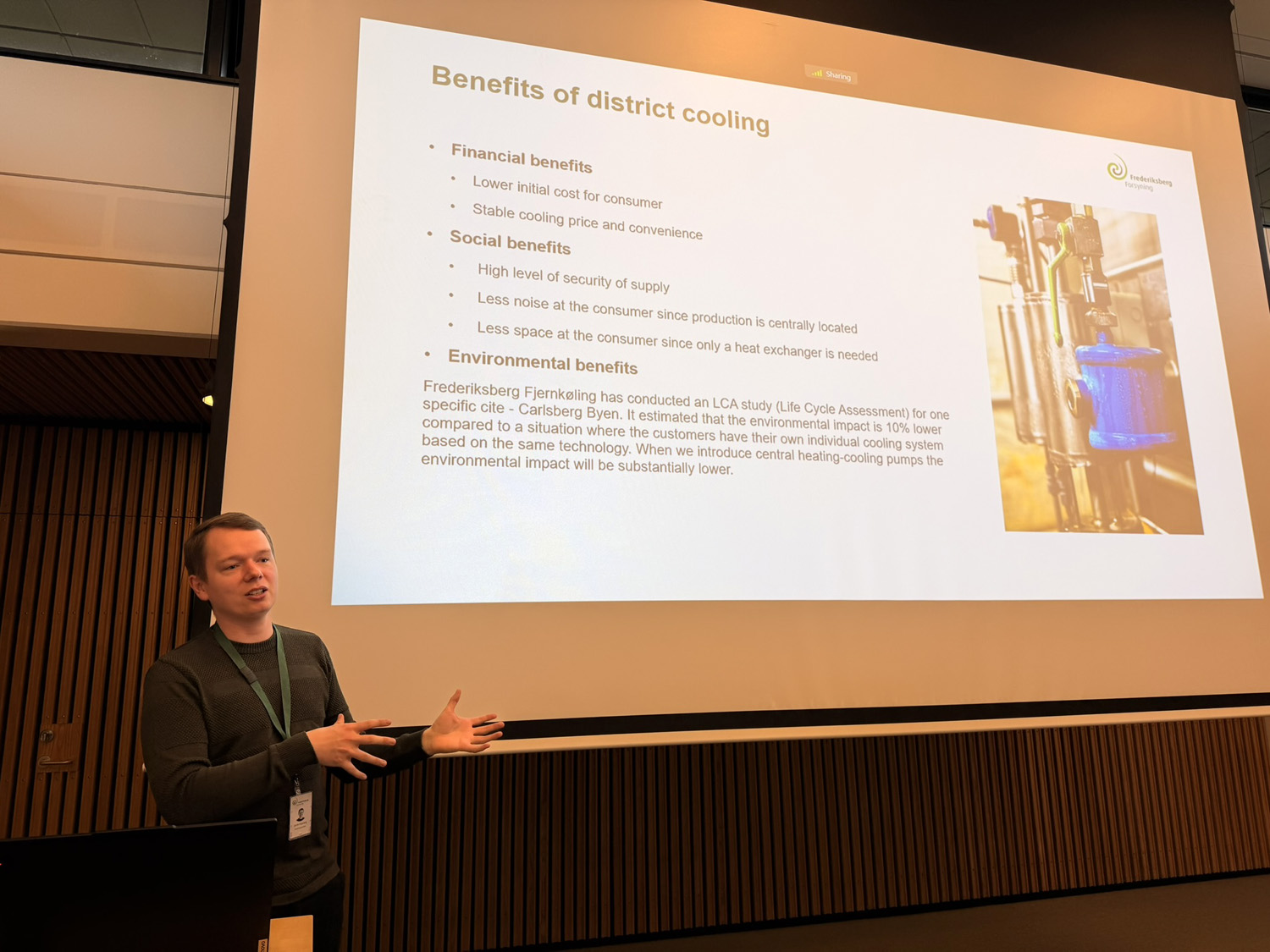
During the programme, participants explored district heating and cooling technologies, sector coupling, energy system planning, regulatory frameworks, financing, stakeholder engagement and digitalisation.
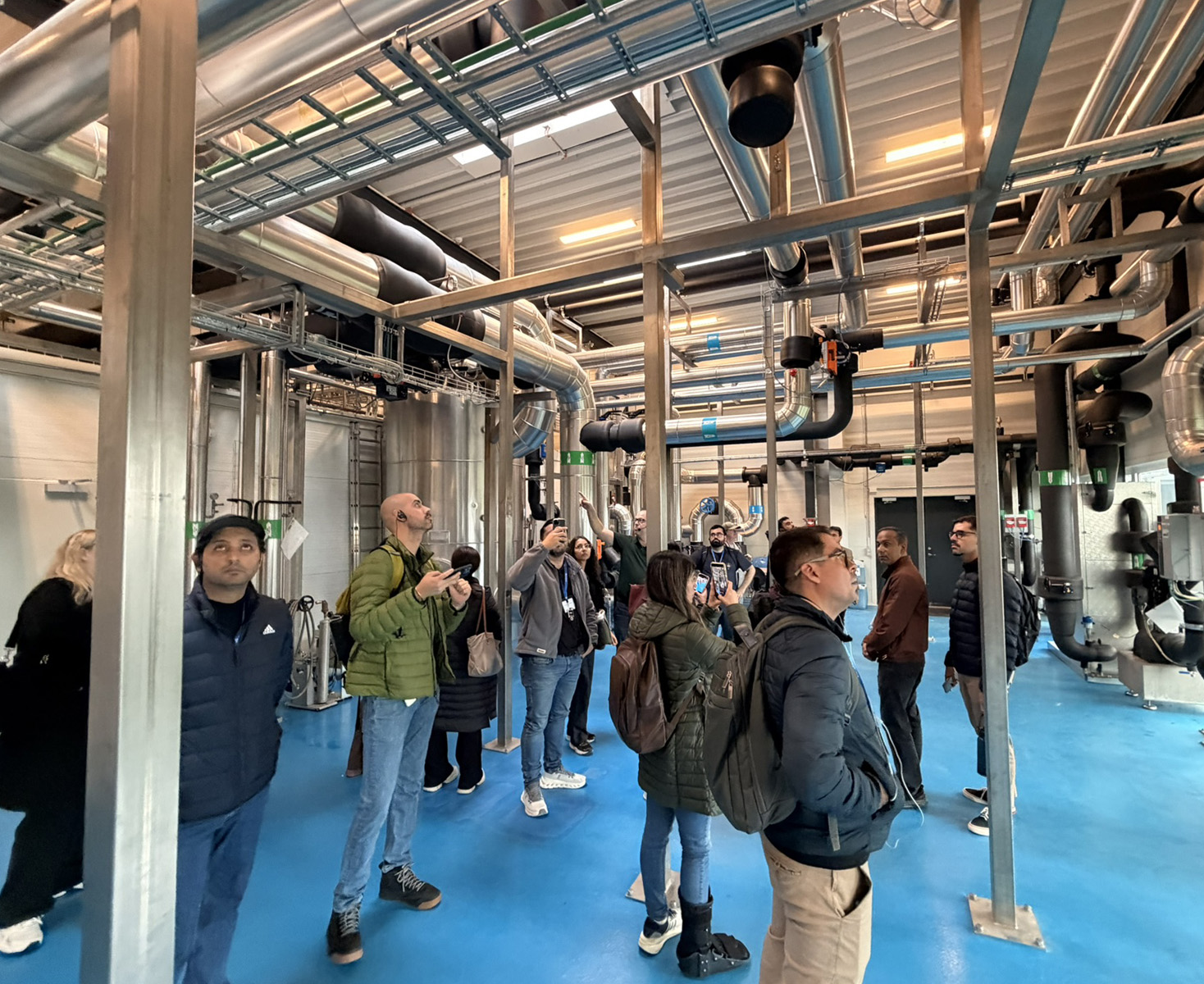
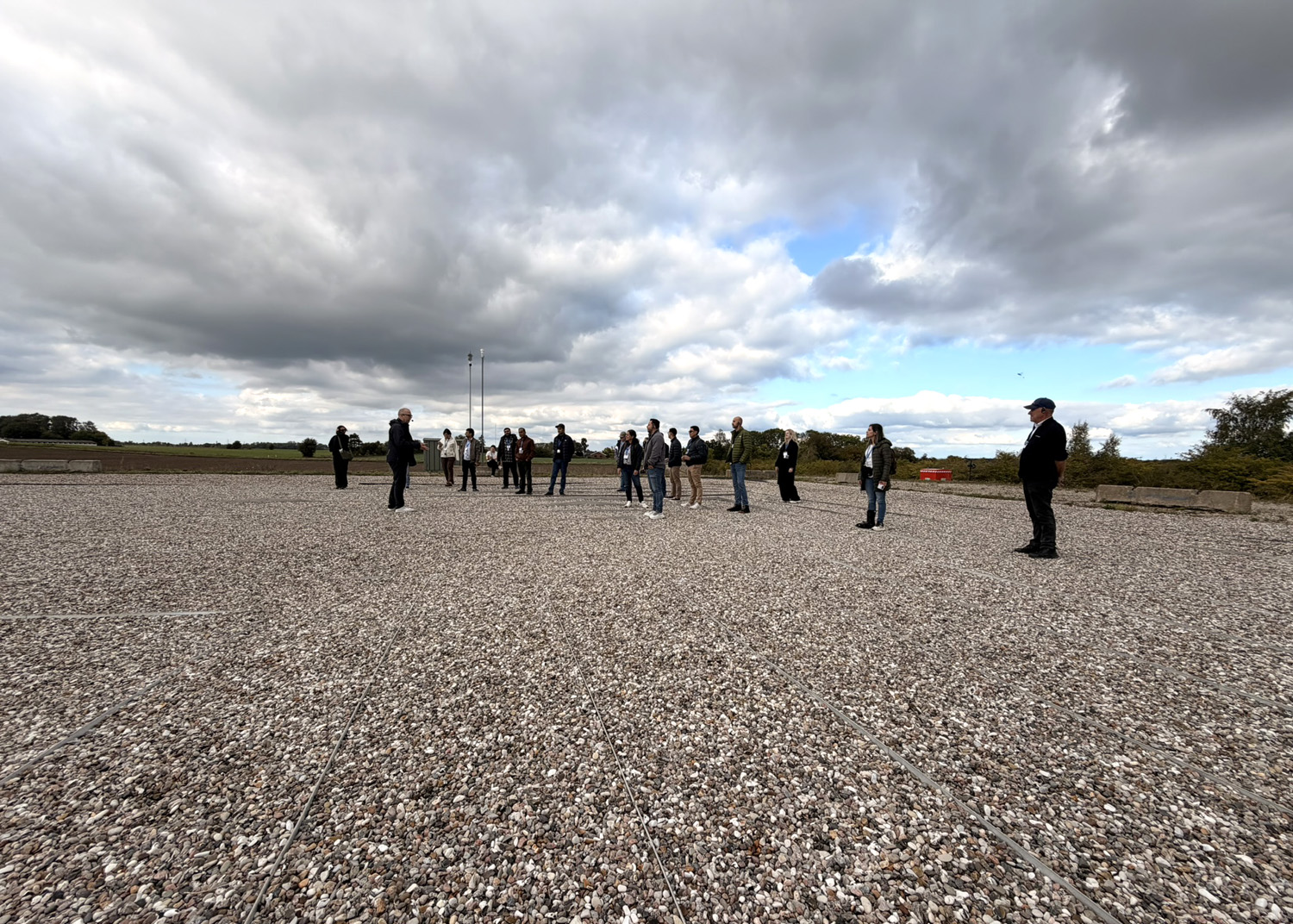
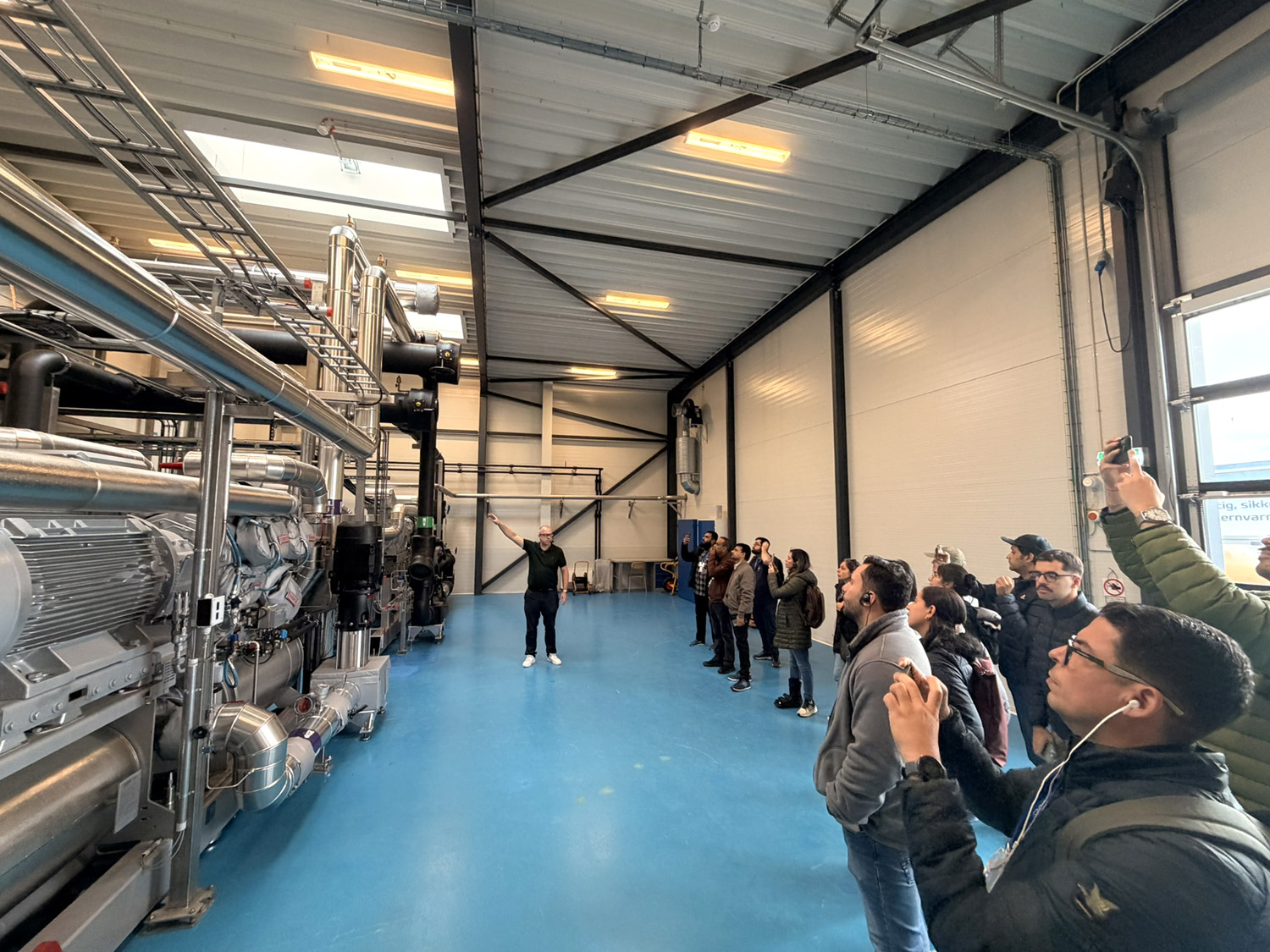
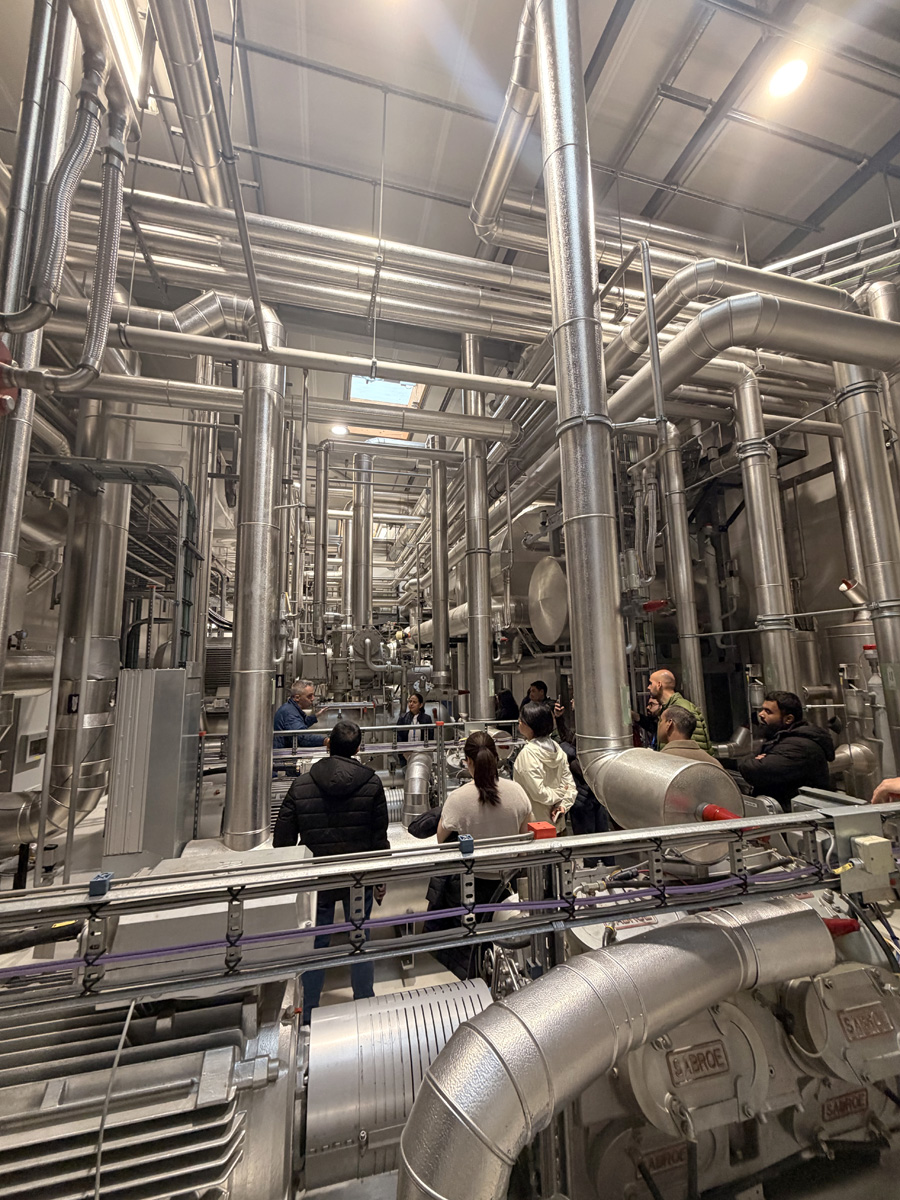
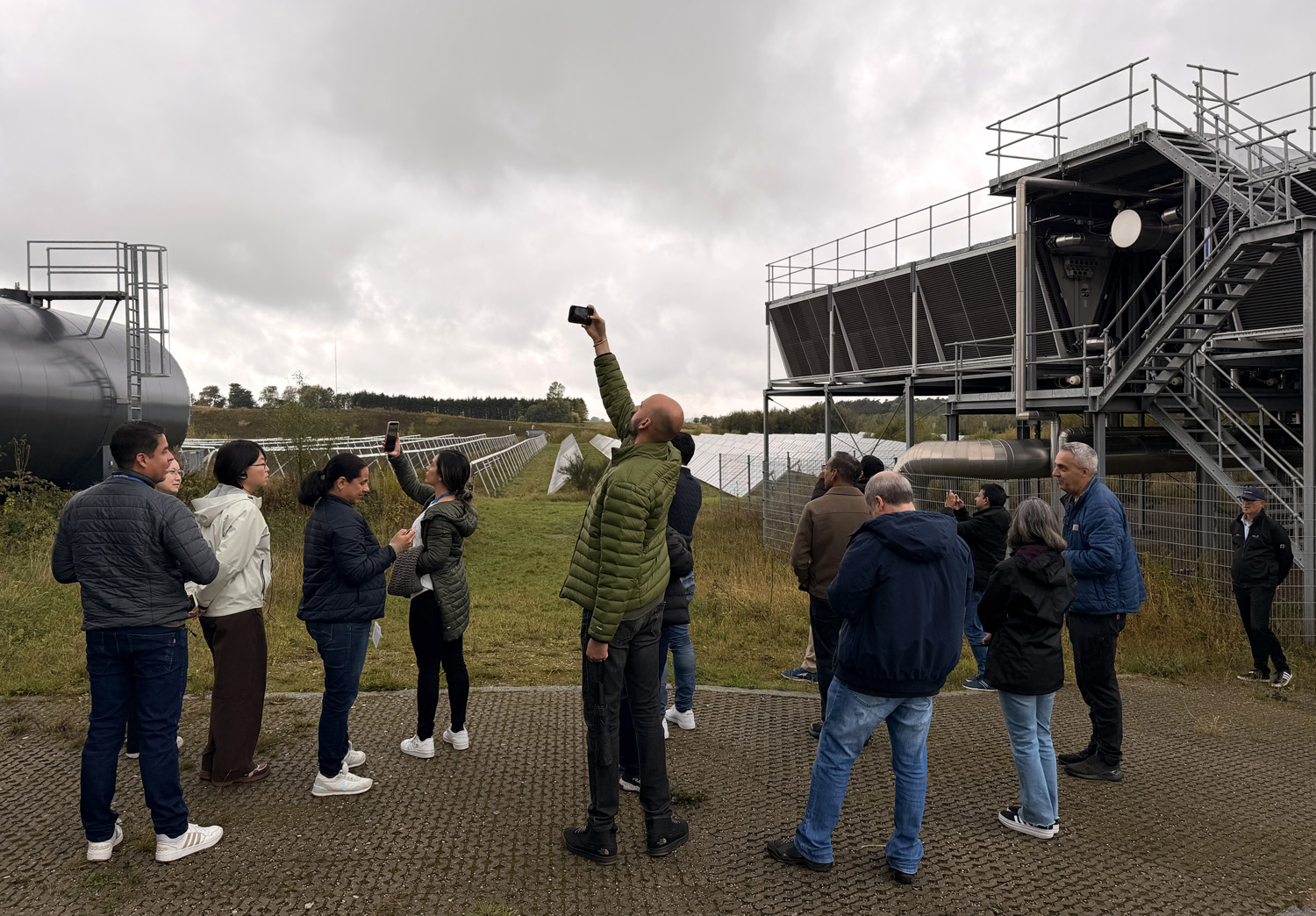
The programme combined classroom sessions with technical visits to Danish district energy facilities.
DBDH helped connect participants with practical Danish experience, with Charlotte Mejlshede coordinating DBDH’s involvement in the programme, including technical site visits and knowledge sharing.
DBDH also contributed to sessions addressing regulatory frameworks, stakeholder engagement and digitalisation – essential elements in transforming district energy technologies into successful infrastructure projects.
Five countries – different challenges and opportunities
One of the most interesting aspects of the programme was the participants’ work on challenges directly relevant to their home countries.
Rather than attempting to copy the Danish model, they explored how technologies, planning methods and business models could be adapted to different climatic, economic and regulatory conditions.
Their final presentations illustrated the diversity of opportunities.
Brazil: Turning surplus electricity into stored heat
Murillo Ferro presented Thermal Battery City, a proposal to use low-cost electricity during periods of high renewable energy production to generate and store heat. Using large heat pumps and thermal storage, the concept could reduce electricity demand during Brazil’s evening peak, when millions of households use electric showers to heat water.
The proposal outlines a phased approach, beginning with a pilot installation serving a hospital, housing development or other suitable customer. It illustrates how thermal storage and district energy planning could help address challenges in Brazil’s electricity system.
Pakistan: A national roadmap for district cooling
Muhammad Umar developed a district cooling roadmap for Pakistan covering 2027–2035.
The proposal addresses the growing need for efficient cooling solutions while recognising the importance of local conditions, including electricity demand, water availability and financing.
It outlines a gradual development process, beginning with mapping cooling demand and identifying promising locations, followed by pilot projects, regulatory development and potential commercial expansion.
A central recommendation is to establish three demonstration projects before considering wider deployment.
Colombia: Moving district cooling from pilot projects to wider deployment
Colombia already has experience implementing district cooling, but expanding the market requires stronger planning, financing and regulatory frameworks.
The Colombian participants presented several initiatives, including a proposed solar-powered district cooling project in Cartagena.
Their work also examined how district energy systems could become valuable flexibility resources for Colombia’s electricity grid, helping balance demand and integrate renewable energy.
The proposals demonstrate how district cooling could contribute not only to more efficient buildings but also to a more flexible energy system.
China: Modernising existing district heating systems
China faces a different challenge: transforming extensive existing district heating infrastructure into more efficient, lower-carbon systems.
The Chinese participants developed a transition plan exploring lower network temperatures, industrial surplus heat, heat pumps, thermal storage and intelligent system management.
Their work highlights the importance of combining technological improvements with long-term planning, financing and coordinated stakeholder involvement.
India: Connecting renewable electricity with heating and cooling
India’s rapidly expanding renewable energy production and increasing cooling demand present opportunities for integrated district energy solutions.
Anil Kumar explored how surplus renewable electricity, large-scale heat pumps and thermal storage could support efficient district heating and cooling.
His proposed approach emphasises demonstration projects, technical standards, capacity building and cooperation between public authorities and private investors.
From international knowledge sharing to local action
The course concluded with participants presenting draft action plans for addressing district energy challenges in their countries.
While the proposals require further technical, economic and regulatory assessment before implementation, they demonstrate how Danish knowledge and international cooperation can support the development of locally relevant solutions.
For DBDH, this exchange reflects an important part of its international mission: connecting global energy challenges with Danish district energy experience, technologies and expertise.
The three weeks also provided valuable opportunities for dialogue between international energy professionals, Danish utilities, researchers and technology specialists.
DBDH thanks the Danida Fellowship Centre, Energy Modelling Lab, the participating experts and host organisations, and particularly the international participants for their engagement and willingness to share experiences.
The real value of international knowledge sharing emerges when inspiration is transformed into practical initiatives that can advance the energy transition.
 Curious to learn more?
Read the latest industry news on dbdh.org here.