The future performance of district heating systems will depend increasingly on the demand side, even though regulations do not yet require it. Utilities that prepare early with data, digitalisation, and collaboration will be best positioned to operate efficiently, remain resilient, and influence future regulatory frameworks.
By Bjarne Sig Halkjær, Head of Growth Product Management at Kamstrup
Published in Hot Cool, edition no. 3/2026 | ISSN 0904 9681 |
Photo above: The central DH production unit for Viborg DH Company. Earlier, the building housed a gas CHP; today, that is gone, and there is now a large e-boiler. Also, notice the large storage tank.
The district heating sector is entering a phase where system performance increasingly depends on conditions inside buildings rather than solely on production assets. As networks are pushed to operate at lower temperatures and become more interconnected, demand‑side behaviour has a direct impact on hydraulic stability, return‑temperature performance, and long‑term optimisation.
Although no regulation currently requires this level of insight, policy discussions indicate that such expectations may emerge. Strengthening digital foundations and creating visibility into building‑level performance will therefore support a more integrated, data‑driven, and low‑carbon heat system.
The need for greater system robustness
Across Europe, district heating is influenced by accelerating climate targets, geopolitical uncertainty, and growing expectations for energy security. These developments make the green transition a structural necessity and reshape both policy discussions and operational realities. Traditional, centralised production is increasingly supplemented or replaced by decentralised and variable heat sources such as surplus heat, heat pumps, solar thermal, and geothermal.
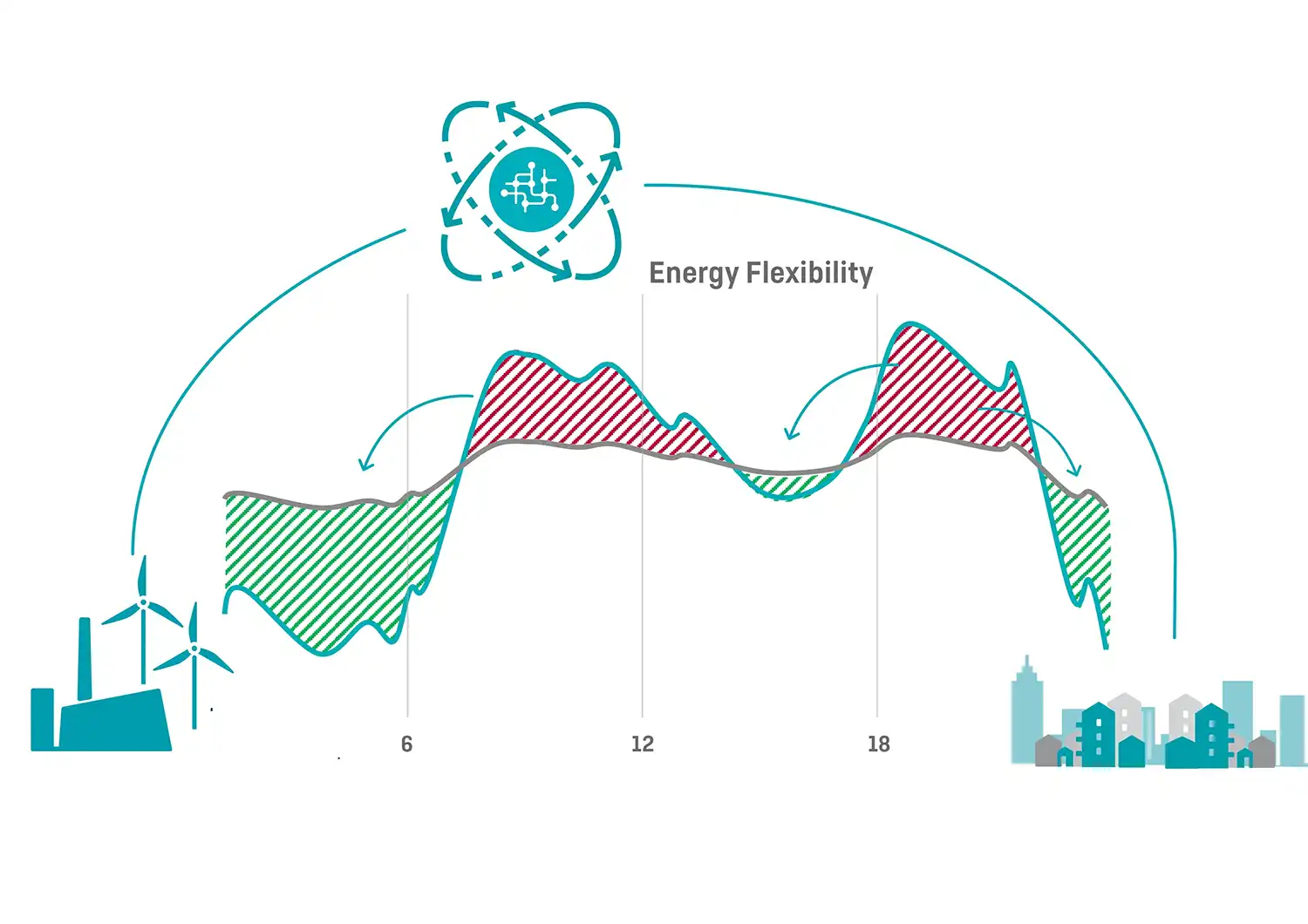
As supply becomes more dynamic, stability can no longer be secured solely from the production side. This raises the strategic importance of demand‑side performance, even as roles and responsibilities between utilities and building owners remain unclear.
At the same time, the future risk of central system breakdowns is expected to increase, heightening the likelihood of temporary heat shortages. In such situations, fair distribution of available heat becomes essential, a challenge that would be significantly eased through greater central data transparency, or, in some cases, the ability to exercise central control of the heat supplied to individual buildings.
Geopolitical volatility further highlights the need for systems that are less dependent on imported fuels and more adaptable to sudden changes. Robustness, therefore, requires closer cooperation between stakeholders, clearer regulatory guidance, and a stronger understanding of how supply and demand interact in a low‑carbon energy system.
A sector preparing for new regulatory expectations
Current legislation continues to focus on production efficiency, emissions reporting, and primary network performance. While building regulations define installation quality and commissioning requirements, these apply only to individual buildings and are not linked to district‑heating system performance. No mechanisms exist for documenting temperatures or return‑temperature optimisation at the building level.
Nevertheless, policymakers increasingly acknowledge the potential benefits of future demand‑side regulation, such as improved energy use, reduced network pressure, and enhanced transparency. Preparing ahead of any formal requirements allows utilities to build capabilities gradually and expand visibility into parts of the system that have historically been outside their operational scope.
The demand side as an emerging regulatory opportunity
Policy trends point towards a greater focus on consumption behaviour, temperature control, and incentives to improve return temperatures. Should these elements evolve into regulation, utilities would gain the ability to address performance issues currently hidden within buildings, implement more sophisticated tariff structures, and develop new service‑based business models. Improved demand‑side insight would also support the integration of low‑temperature and decentralised heat sources.
The experience of Viborg Varme, Denmark, illustrates how this direction is already taking shape. The utility has introduced a tariff model that rewards low-return temperatures and has shifted from manual outreach to continuous monitoring of more than 12,000 installations.
Within a year, Viborg Varme achieved a 7.2 °C reduction in return temperatures among the consumers it contacted, contributing to a 4.3 °C temperature drop across the entire network. Furthermore, Viborg Varme improved operational efficiency and reduced manual investigations. The case demonstrates the value of combining tariff incentives with reliable data to strengthen both building‑level performance and system‑level optimisation.
Data only creates value when it leads to insight and action. Unlike structured production data, building‑level data reflects installation quality and user behaviour and is often inconsistent or incomplete. High return temperatures may be caused by incorrectly adjusted controls, commissioning errors, internal flow imbalances, inefficient installation design, or occupant behaviour.
Without context, utilities cannot reliably diagnose issues or document improvements.
Building a strong data foundation now enables utilities to develop methods, refine analytics, and establish best practices long before regulation requires it. The sector must move from simply collecting measurements to using them actively in daily operations and long‑term planning.
Digitalisation as a strategic move rather than a compliance obligation
Digitalisation is becoming a strategic enabler for utilities preparing for future policy developments. Consolidating data from meters, substations, and buildings creates transparency and reduces uncertainty. The value lies in the actionable insights this data enables: optimised temperatures, reduced heat loss, and improved customer dialogue.
Key components include validated measurements, secure data exchange, and clear governance structures. With these in place, utilities gain immediate operational benefits while preparing for potential future regulatory requirements.

Any future demand‑side regulation will involve a wide range of stakeholders. Since utilities typically do not own internal installations, effective collaboration with building owners, installers, service companies, energy advisors, and local authorities is essential. Establishing shared commissioning practices, standardised temperature programs, and harmonised documentation will make it easier to operate efficiently.
Digital platforms support this collaboration by providing shared visibility and enabling new business models across the value chain.
Resilience in a more connected future
As demand‑side data becomes more integrated, digital resilience becomes increasingly important. Utilities must establish secure access controls, clear integration interfaces, and strong governance frameworks to protect both systems and consumers. Early development of these capabilities prevents rushed transitions and builds organisational experience in managing new data types.
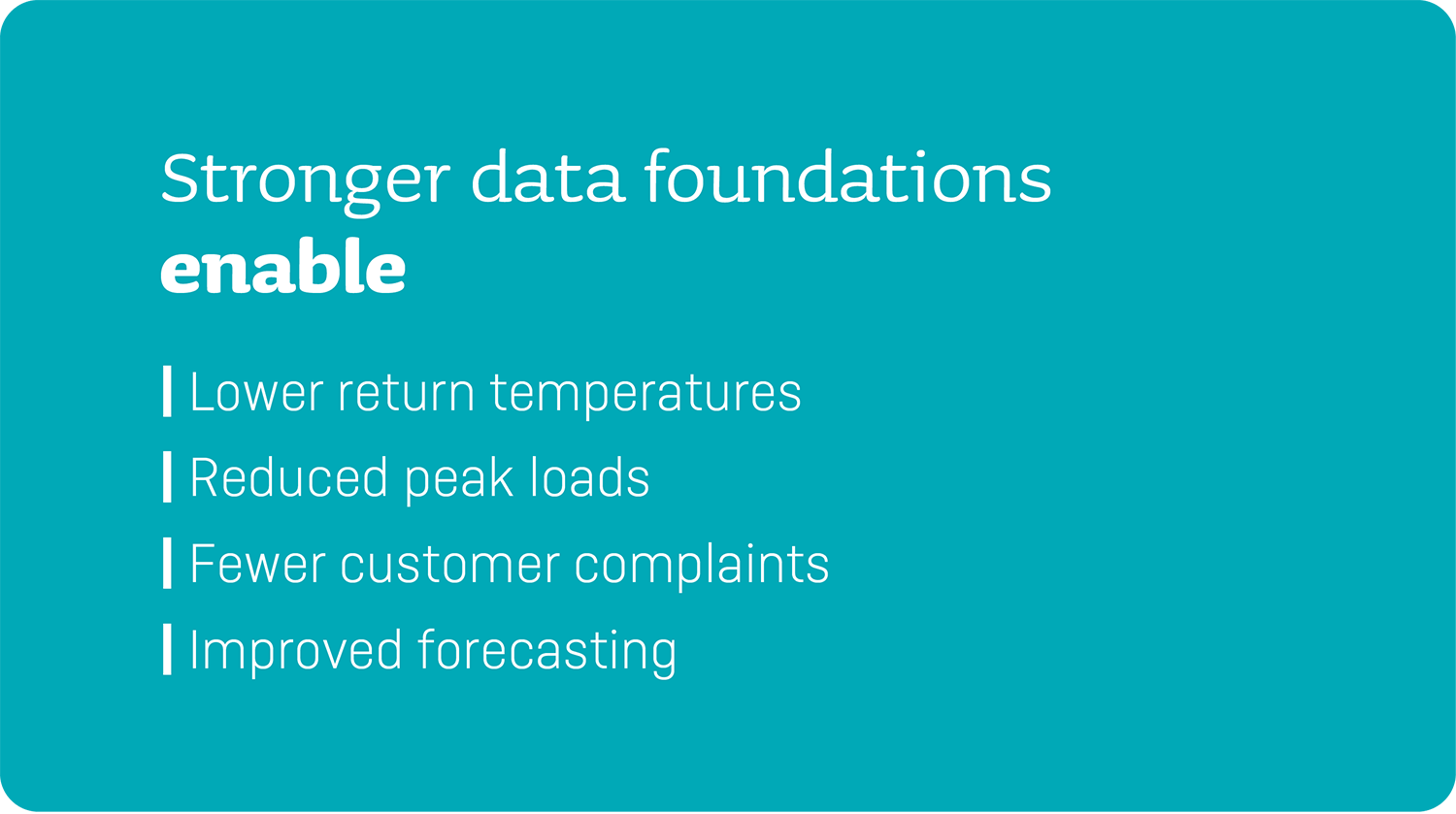
Even without regulation, early movers benefit from more stable return temperatures, reduced peaks, improved forecasting, and stronger customer communication. Strategically, they also enhance their ability to integrate renewable heat sources and contribute to national climate goals.
Regulation may not be here yet, but the potential is
Demand‑side regulation has not yet been implemented, but signals from policymakers and sector developments point towards a future where buildings and consumption play a larger role in system performance. Preparing now allows utilities to influence the development of future frameworks rather than simply adapt to them.
It strengthens resilience, reduces waste, improves system performance, and enhances customer relationships – ultimately moving the sector towards a more affordable, integrated, efficient, and low‑carbon heating system where supply and demand work together.
For more information, please contact: János Fejérvári, at jafi@kamstrup.com
“Creating a Real Connection Between Demand and Supply” was published in Hot Cool, edition no. 3/2026. You can download the article here:
Did you find this article useful?
Subscribe to the HOT|COOL newsletters for free and get insightful articles on a variety of topics delivered to your inbox twice a month!