The research community has a major role to play in maturing, validating, and improving the use of district heating to support the process industry’s transition. Operational cases have demonstrated the value, but accelerated progress is needed to realise the potential for the industry and heating sectors.
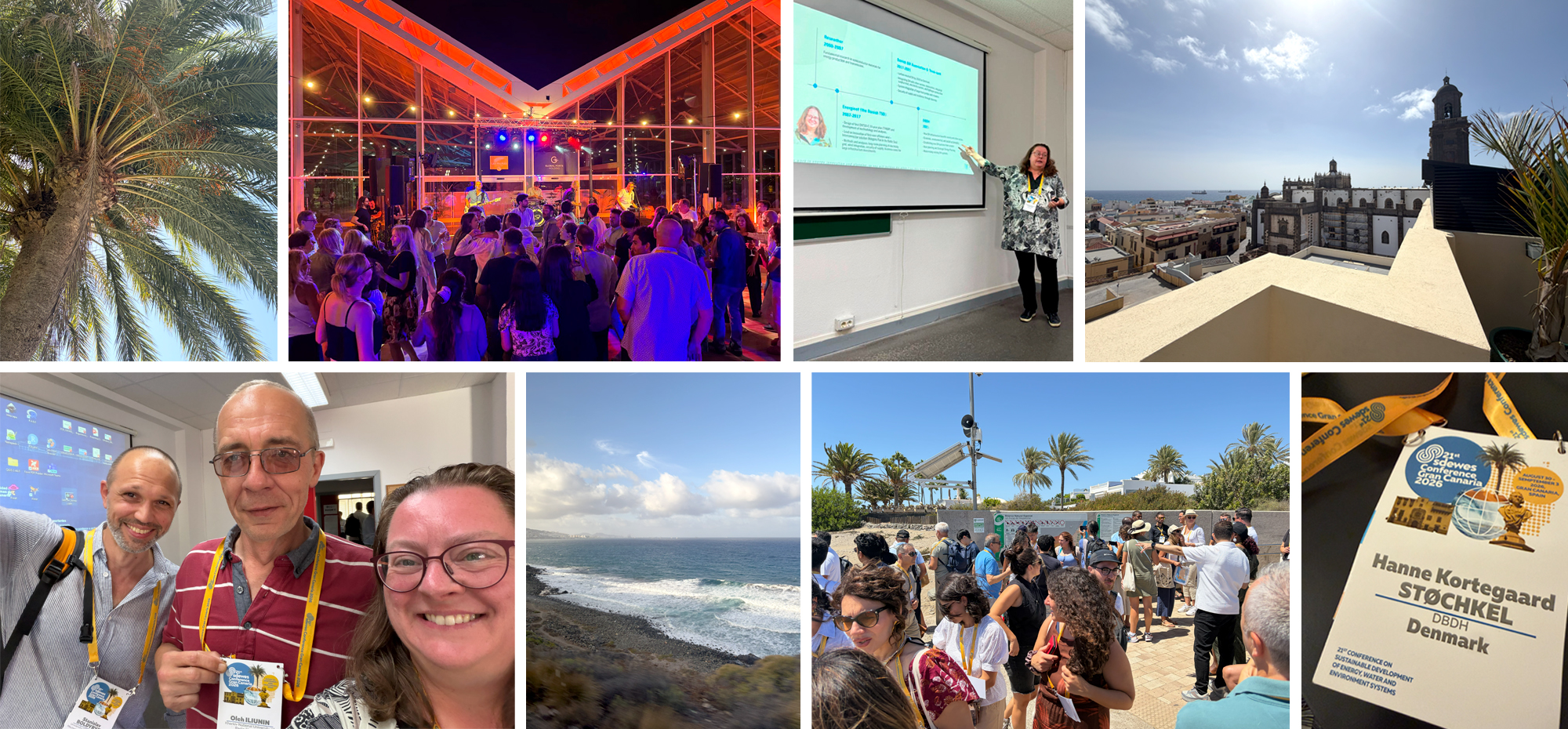
At the 21st SDEWES conference on sustainable development of energy, water, and environment systems, we shared results from RAPIDH and INTREPIDH and also reached out to researchers to gather their insights and inspire more collaboration and ideas. That is why the presentation from Hanne Kortegaard Støchkel, DBDH, also included a long list of topics with research opportunities. We are happy to share and discuss these ideas and opportunities.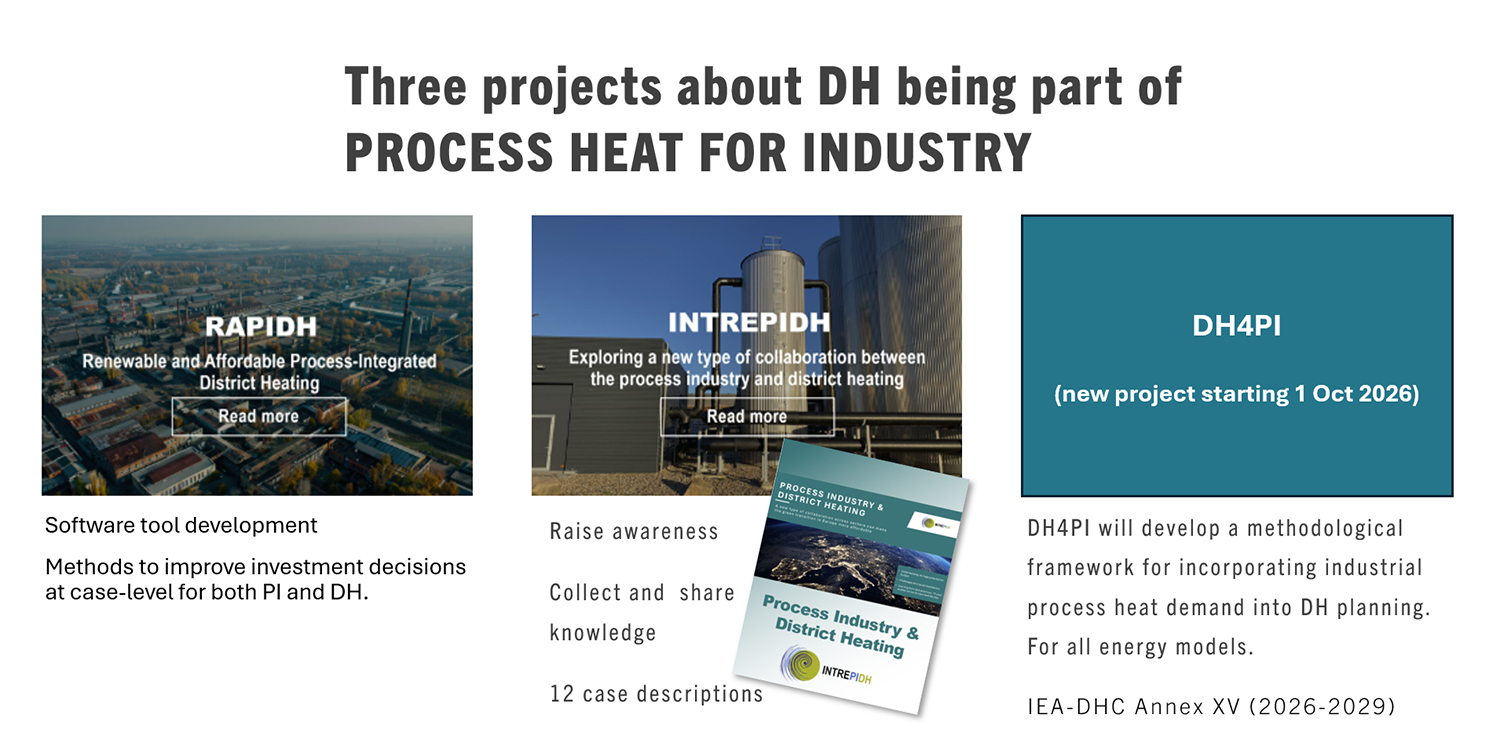
RAPIDH – a strong foundation for investment decisions
The RAPIDH project has developed software and methods for model-based analyses that increase energy efficiency, reduce carbon emissions, and improve investment decisions for the process industry (PI). The focus is on integrating the district heating (DH) and industrial sectors and how district heating can be part of a carbon-neutral supply of process heat.
Three conclusions from RAPIDH: First, a company’s economy, climate performance, and resilience can all be strengthened through a combined solution tailored to its specific needs. Second, district heating can be a valuable part of that combined solution. Third, because potential solutions can look so different from one another, comparing them equally takes tools and methods that measure impact and key figures independently of the technical combination considered.
 Anders N. Andersen, EMD International, gave two presentations on model improvements and methods for business cases at the conference.
INTREPIDH – solutions only valuable if people know about them
It makes sense to implement combined solutions where DH supplies heat to PI to replace fossil-based heat production at the industrial site. The INTREPIDH publication, which uses 12 cases to show the variety and flexibility of solutions, has already been labelled “a must-read”. The project works to raise awareness through workshops, webinars, publications, and interactions with stakeholders.
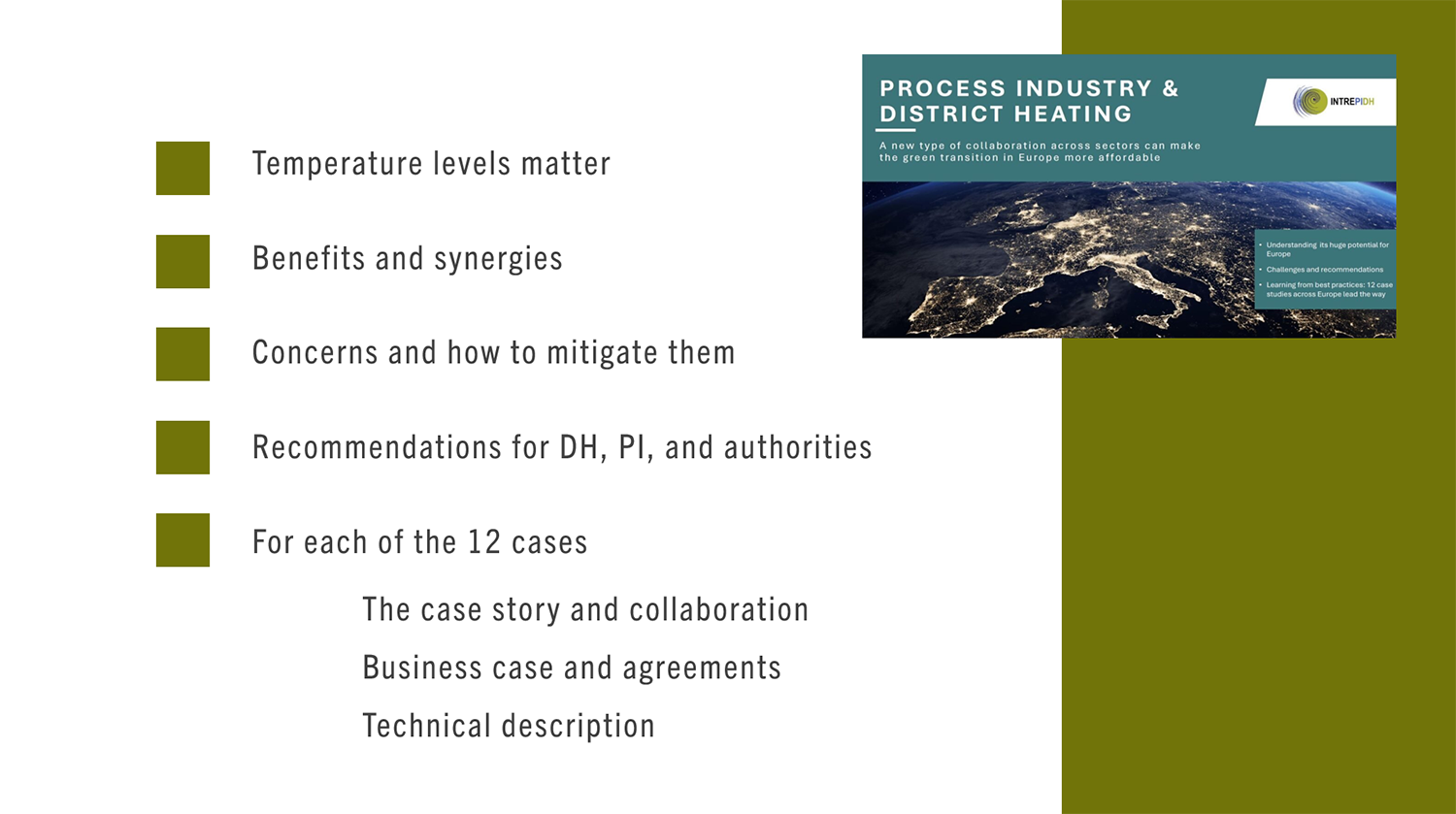
The upcoming publication with specific recommendations for municipalities, energy agencies, industrial companies, and district heating utilities will be presented as part of the final webinar of the INTREPIDH project.
Planning is key – New methodological framework needed
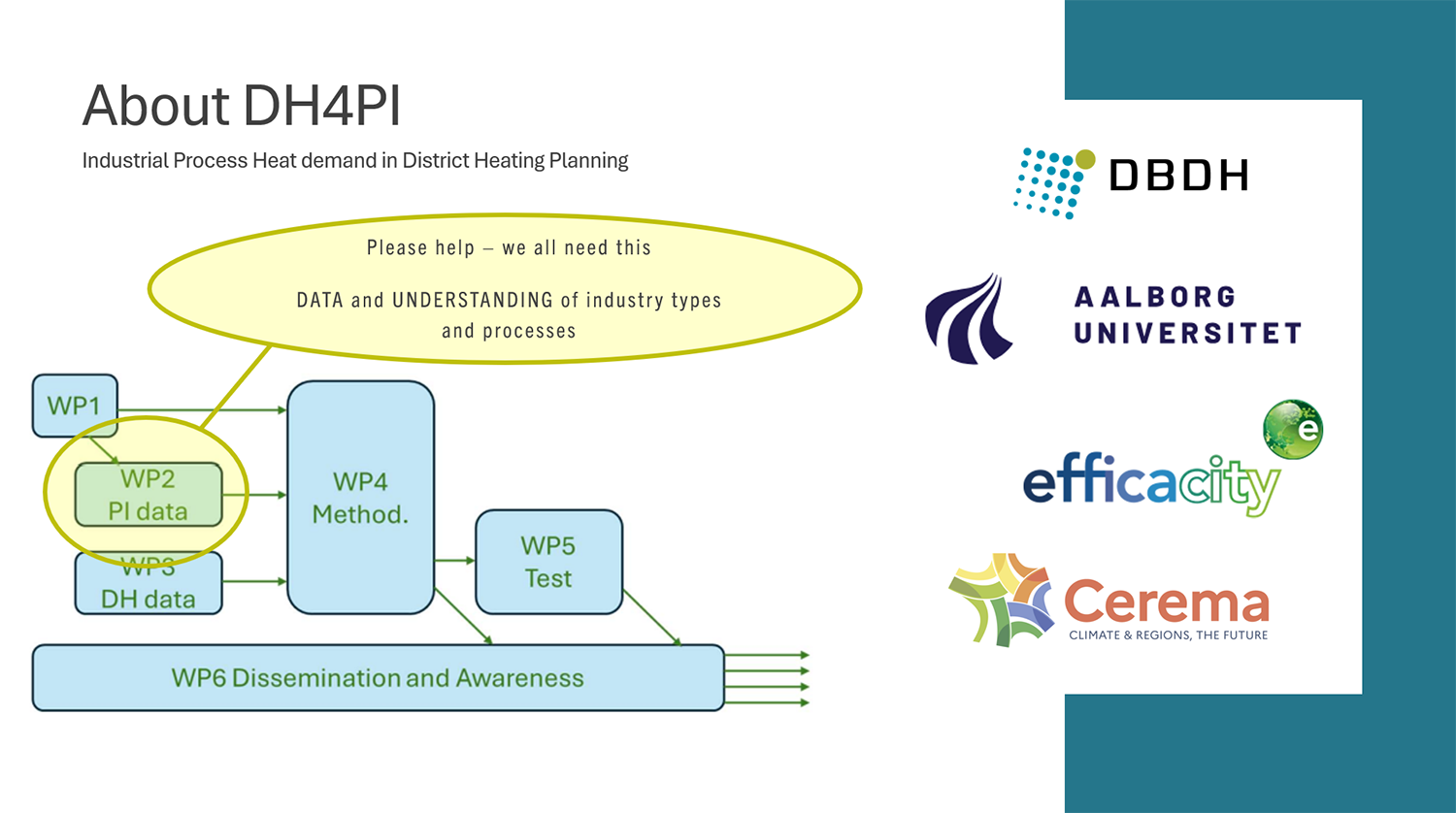
Starting 1 Oct 2026, the DH4PI will develop a methodological framework for incorporating industrial process heat demand into heat planning. This will help integrate both industrial surplus heat and process heat in strategic energy planning and local heating and cooling plans.
DH4PI has not officially started yet but the partners (Aalborg University, Cerema, Efficacity, and DBDH) are already reaching out to the research community and other people with knowledge. Information is scattered and incomplete, and we need the best possible understanding of industry types and process heat demand to develop the methodological framework that is the core task of DH4PI.
The project focuses on the ability to model PI-DH integration in any type of energy system modelling tool. Opening the doors to analyses such as national screenings of the potential for DH infrastructure to support a more affordable transition of the industry sector – and – the potential for improving the business cases for expanding DH systems by including the industrial sector as an anchor load in heat planning.
Much more attention and research to come
For DBDH, these three projects are just the beginning. New project ideas are in development with great partners, and they will help develop solutions, share knowledge, and accelerate action. But even better news is that on the European and worldwide scale, awareness is growing. This will mean action on a much larger scale, and it will help transform the mindset to understand how district heating and electricity infrastructure can enable a faster and more affordable transition of the industrial sector.
 Curious to learn more?
Read the latest industry news on dbdh.org here.