Salzburg AG, Linz AG, Wien Energie and Stadtwerke Graz shared their district heating perspectives during a two-day visit to Austria on 20–21 October 2026. Thomas Engberg Pedersen from HOFOR joined as a district heating expert, contributing to discussions on similarities and differences between district heating in Denmark and Austria.
How can Austria accelerate its transition away from fossil fuels while expanding district heating networks and making better use of local energy resources?
This question was at the heart of a two-day delegation visit to Austria, organised by DBDH and co-organized by the Austrian Institute of Technology (AIT).
The four Austrian utilities were central to the exchange, with their operational experience, local challenges and development plans providing the starting point for dialogue with Danish companies and HOFOR.
Learning from Austrian and Danish experience
Austria has significant potential for further district heating development. With natural gas still playing a major role in the country’s heating sector, the transition towards more sustainable heat sources is creating both challenges and opportunities.
Danish district heating companies have decades of experience in integrating renewable energy, recovering excess heat, optimising networks, and developing efficient, flexible heating systems.
However, successful solutions must respond to local conditions and actual utility needs. That was precisely the idea behind the Austrian visit.
Rather than focusing on traditional presentations, the programme was designed around direct dialogue with Austrian district heating utilities, using their specific challenges and development plans as the starting point.
Three cities, four utilities – and a shared ambition
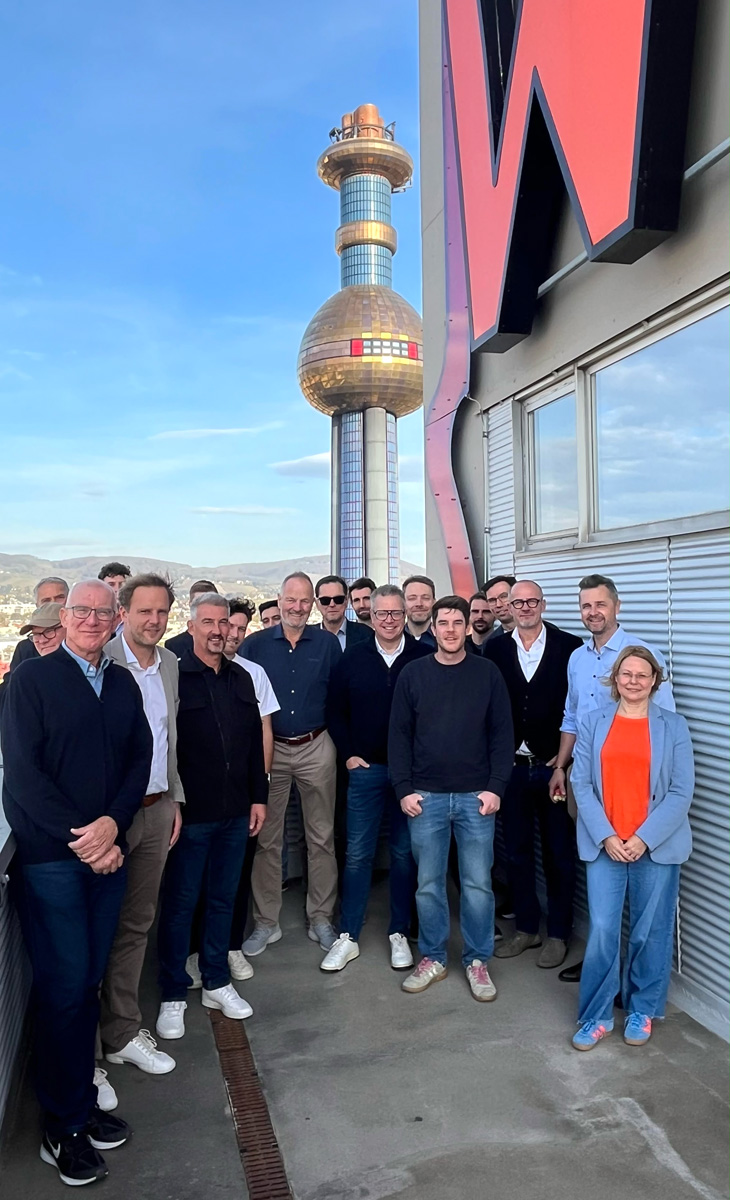
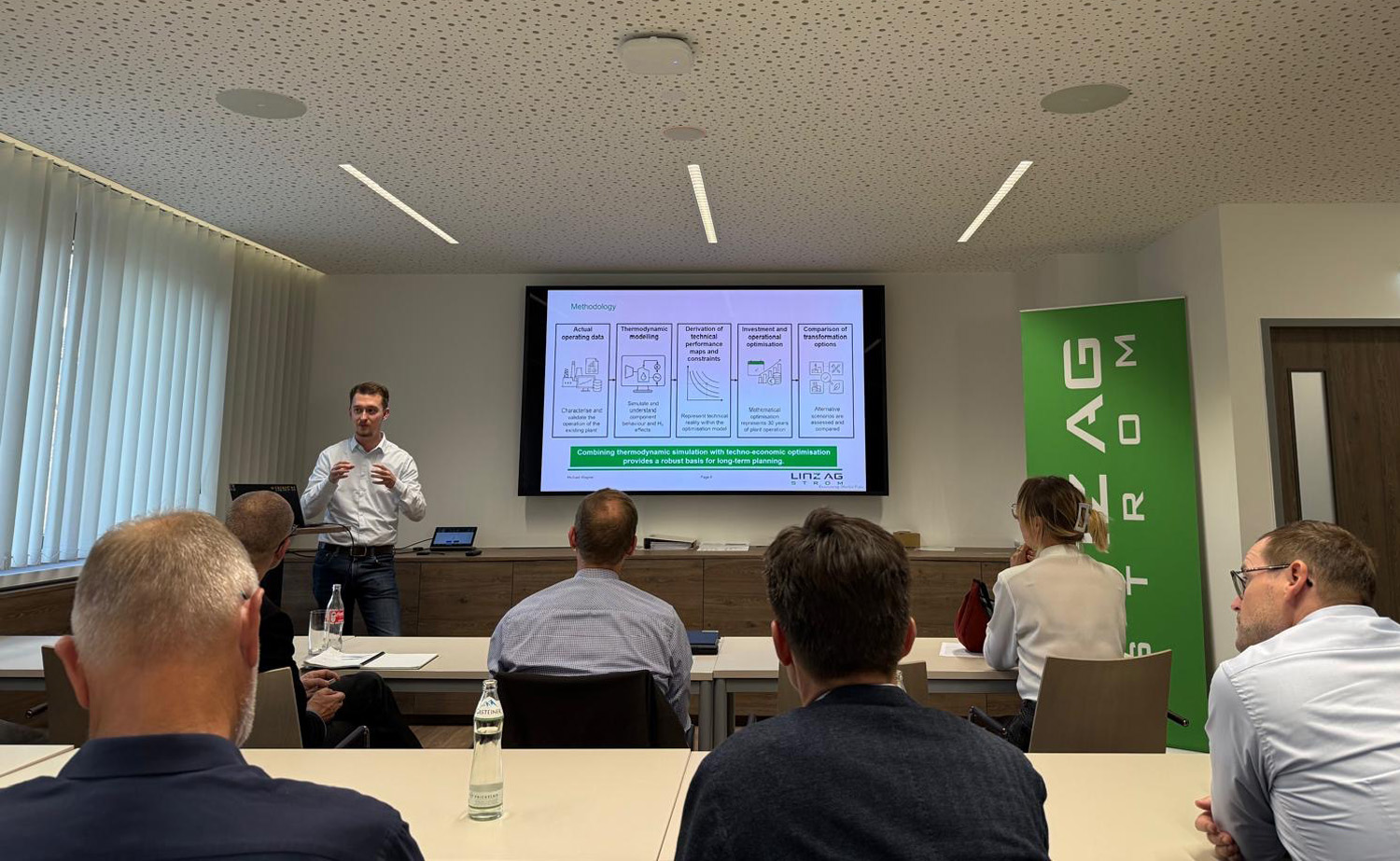
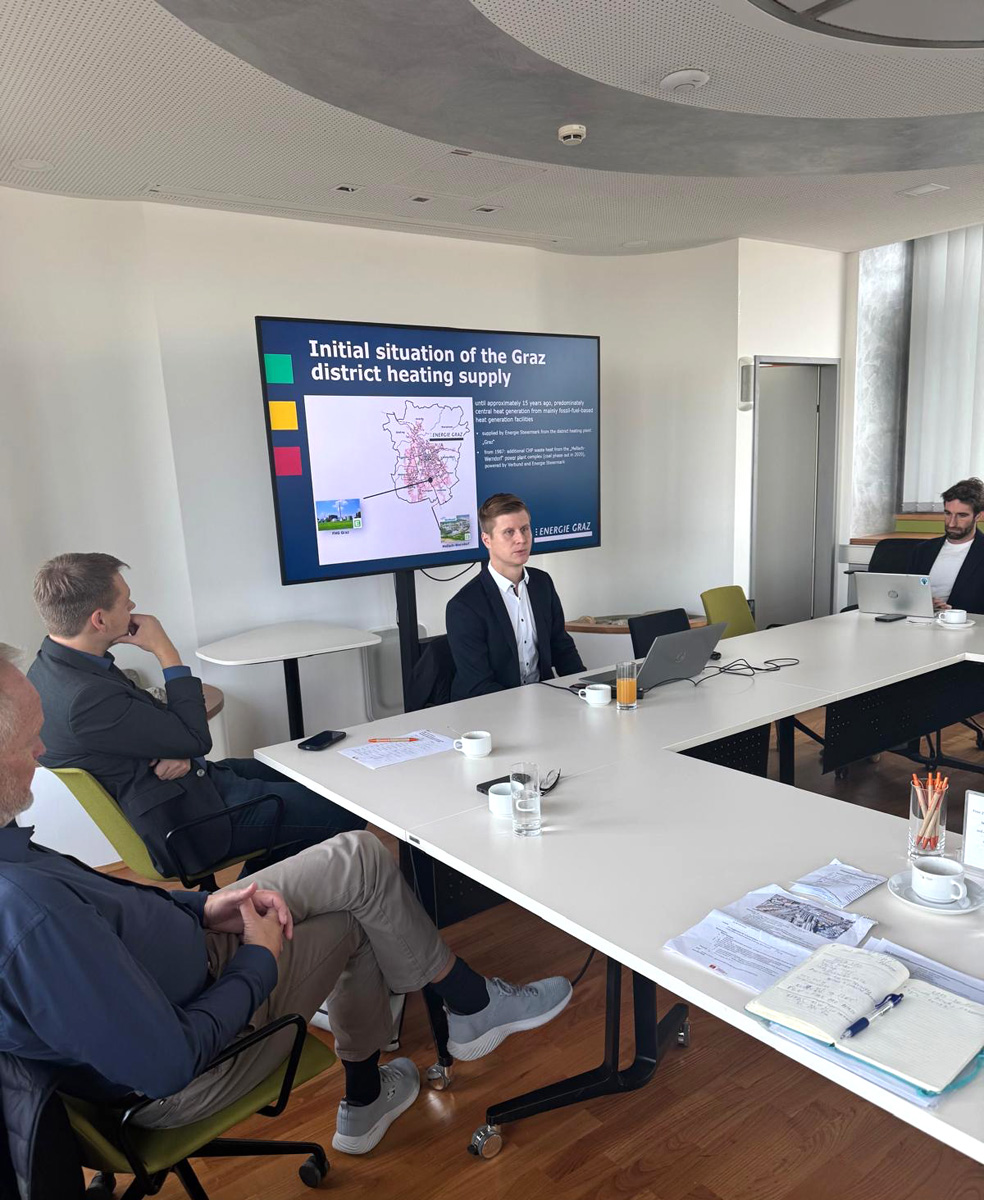
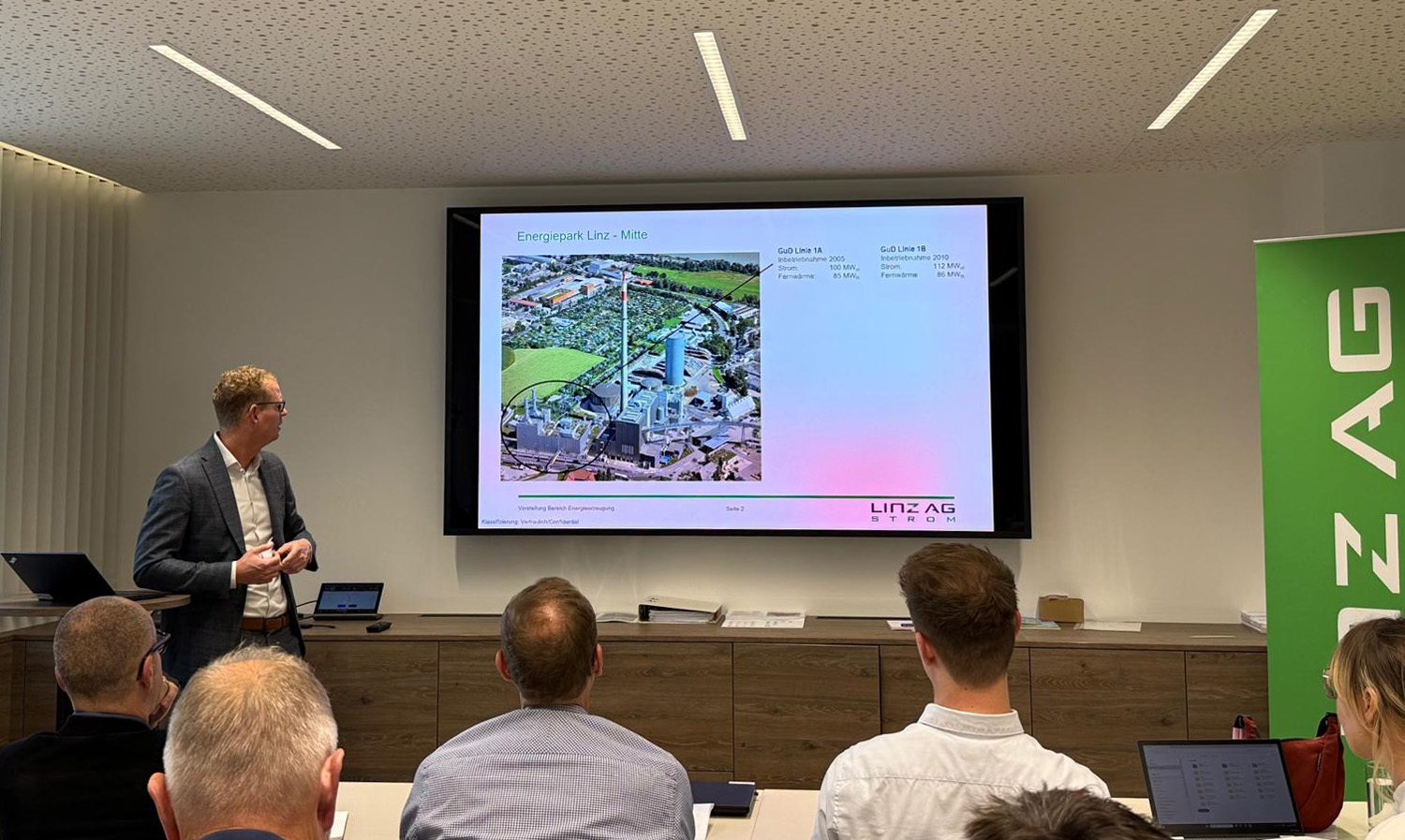
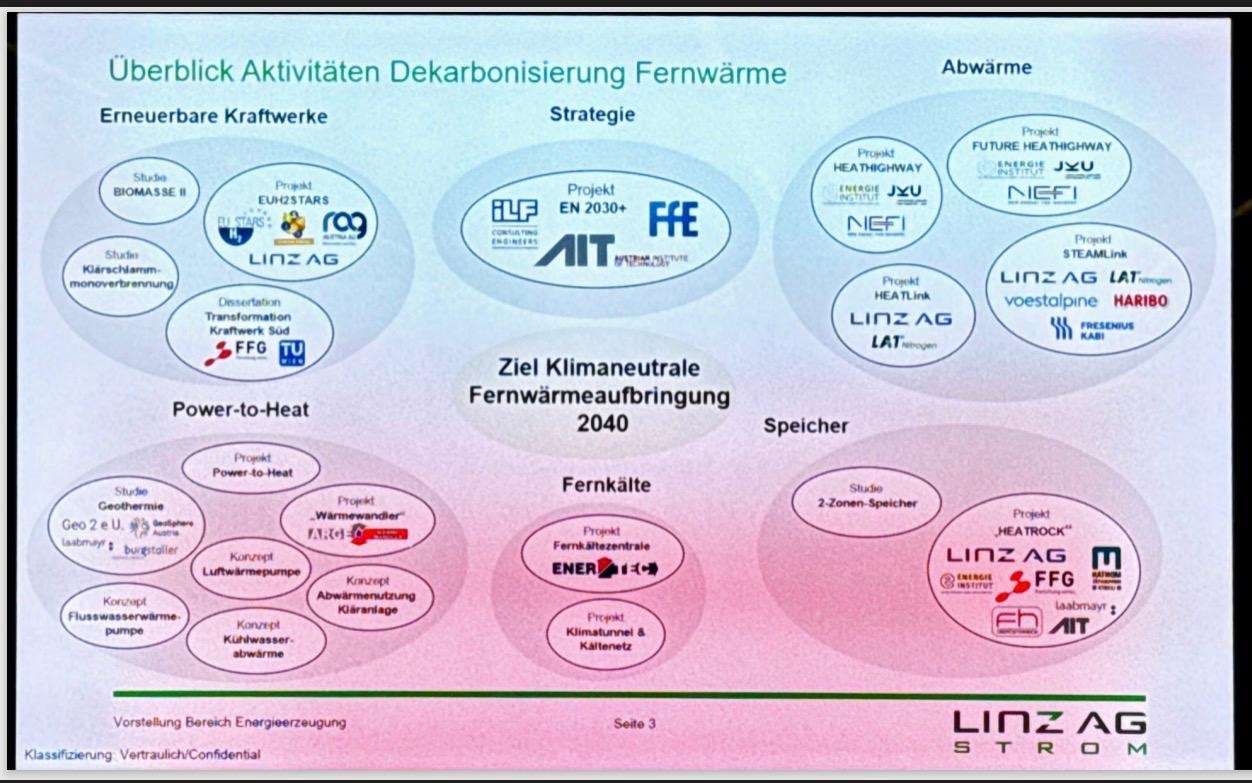
Salzburg AG, Linz AG, Wien Energie and Stadtwerke Graz contributed their utility perspectives through visits, workshops and technical discussions, making the program an exchange grounded in practical district heating experience.
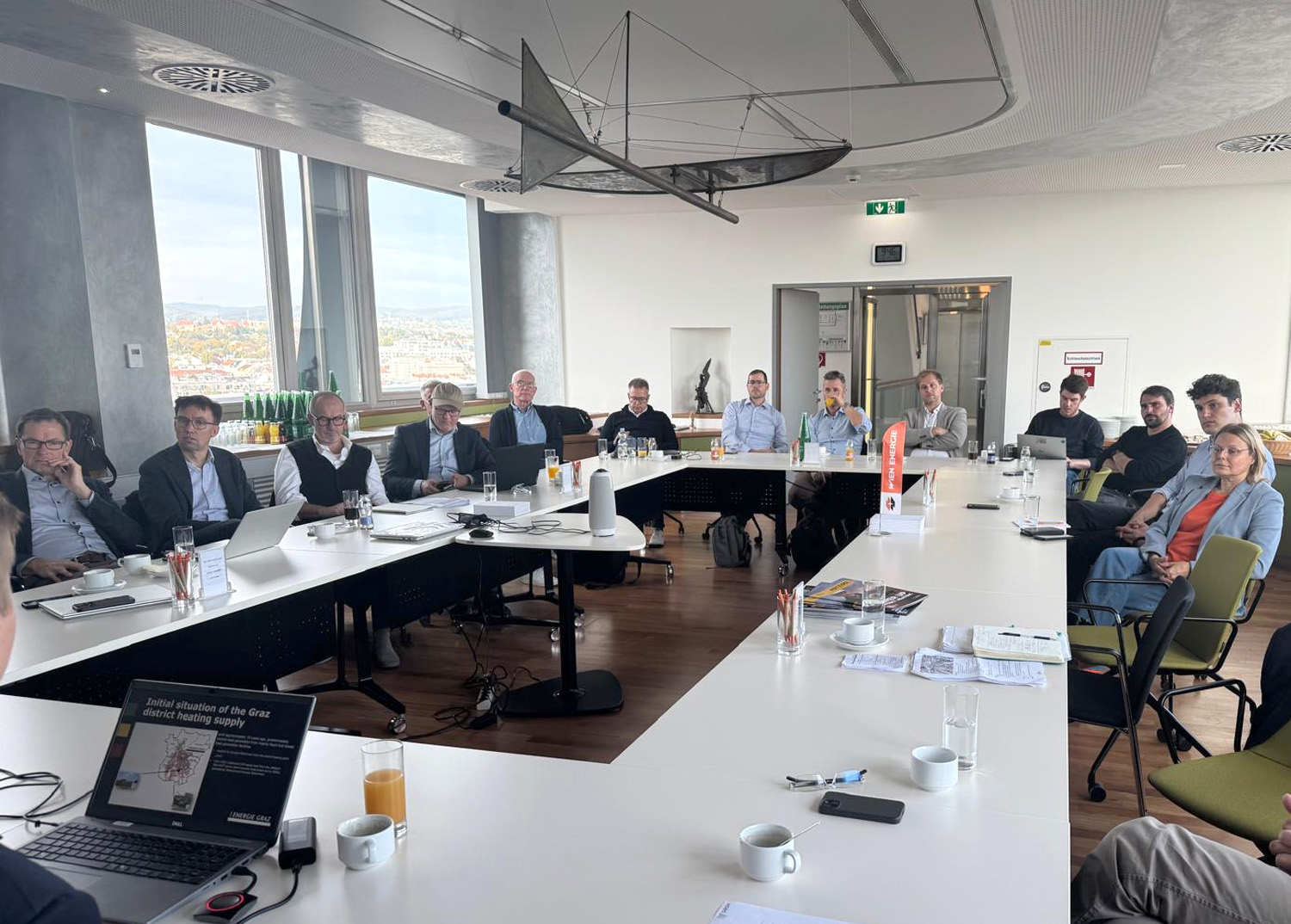
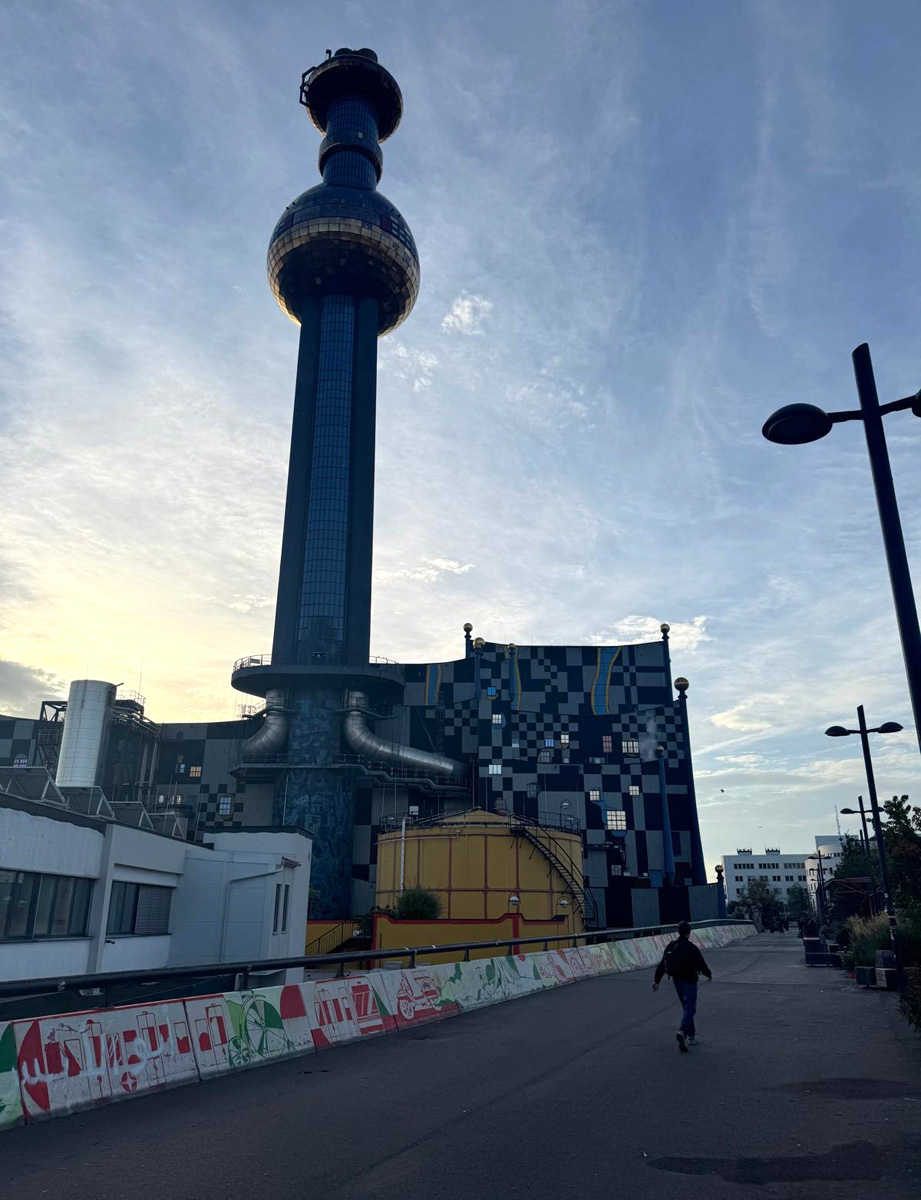
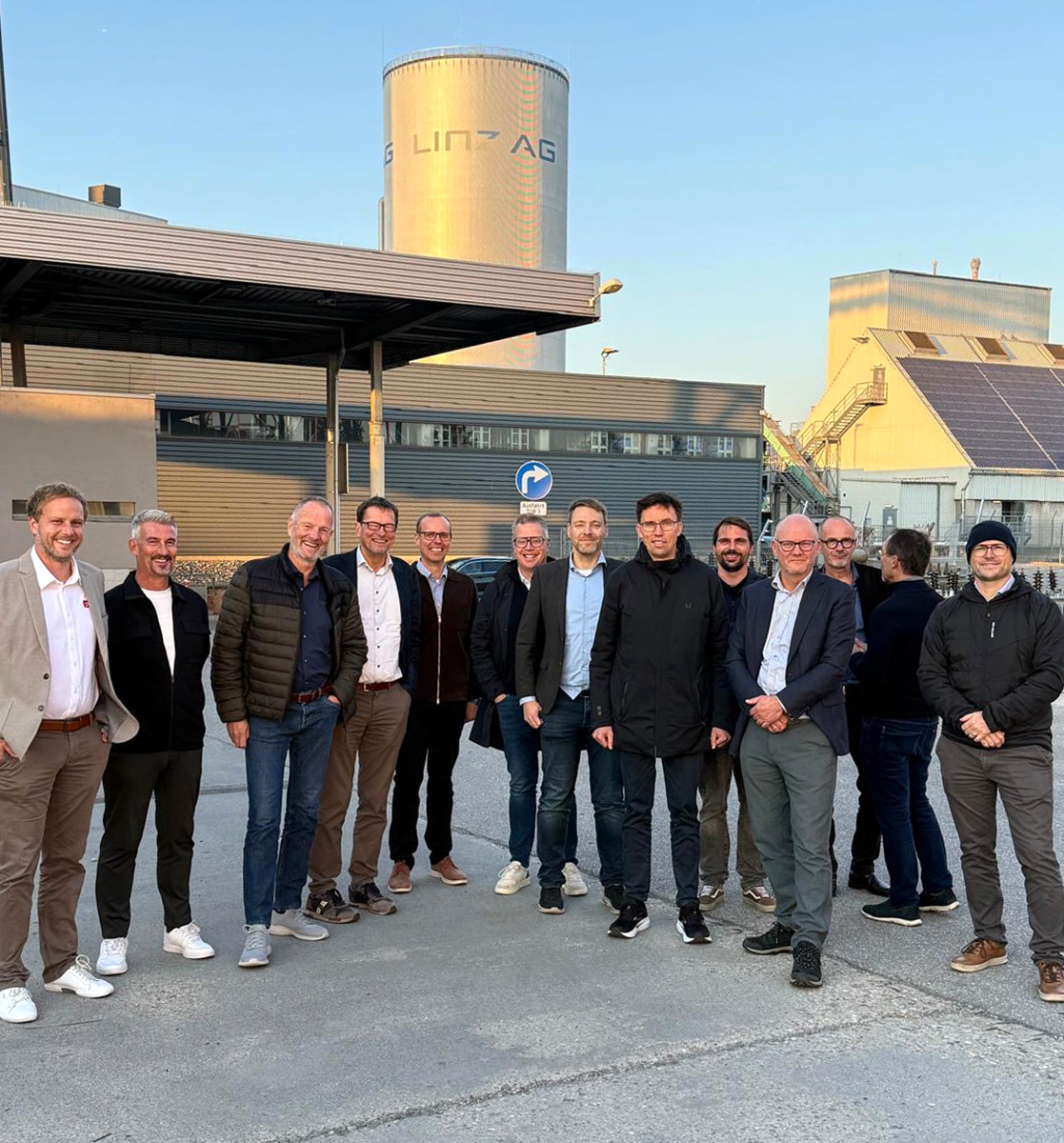
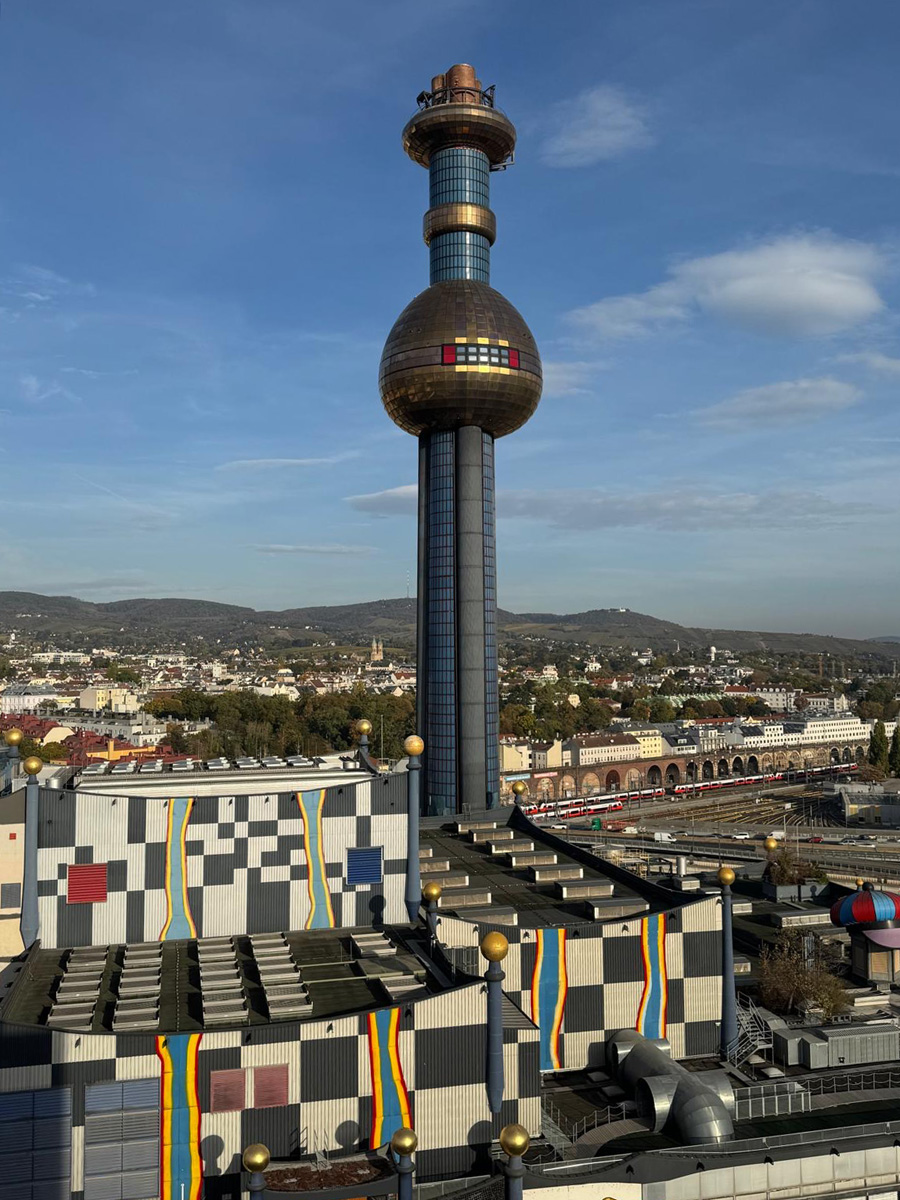
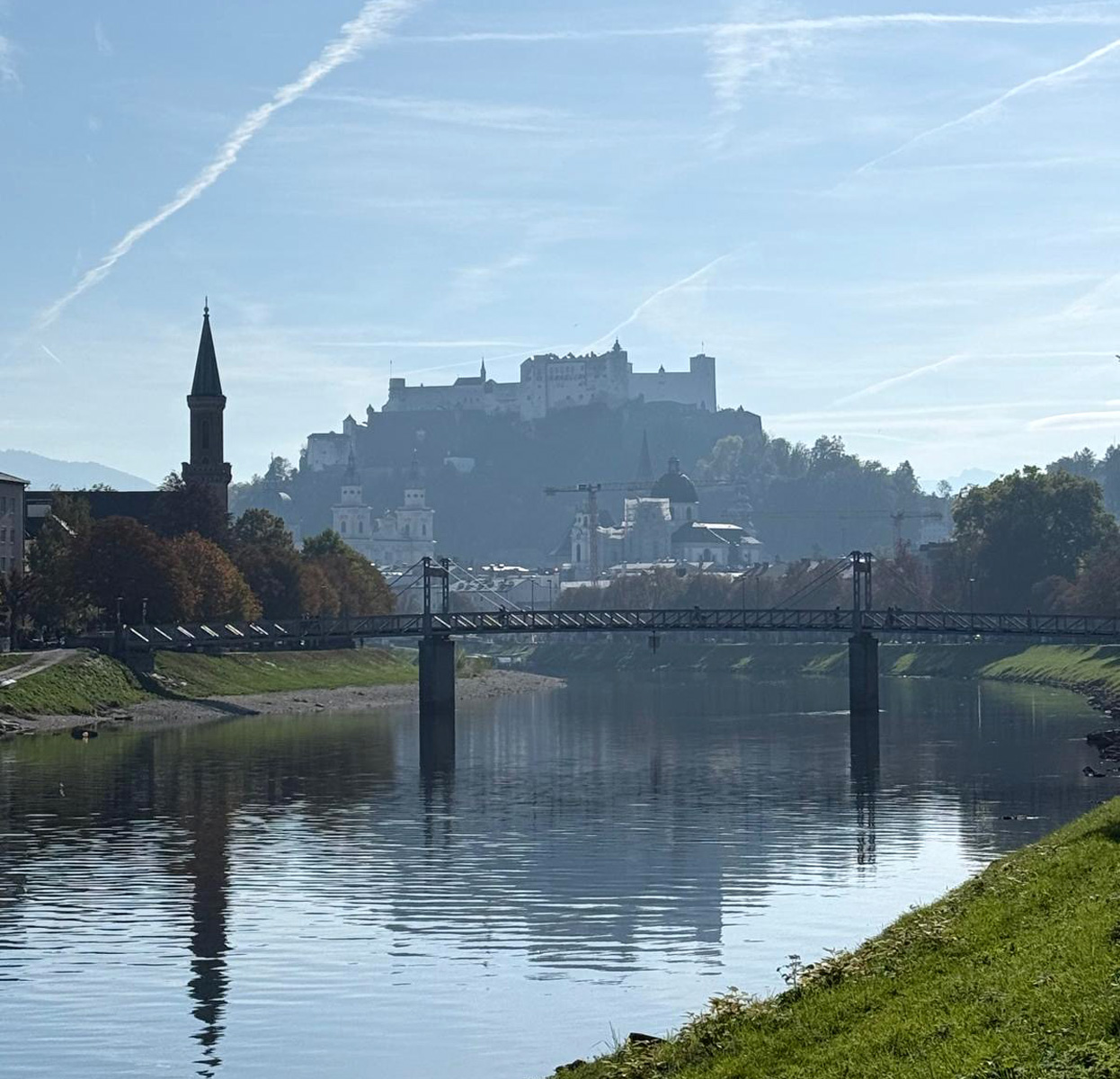
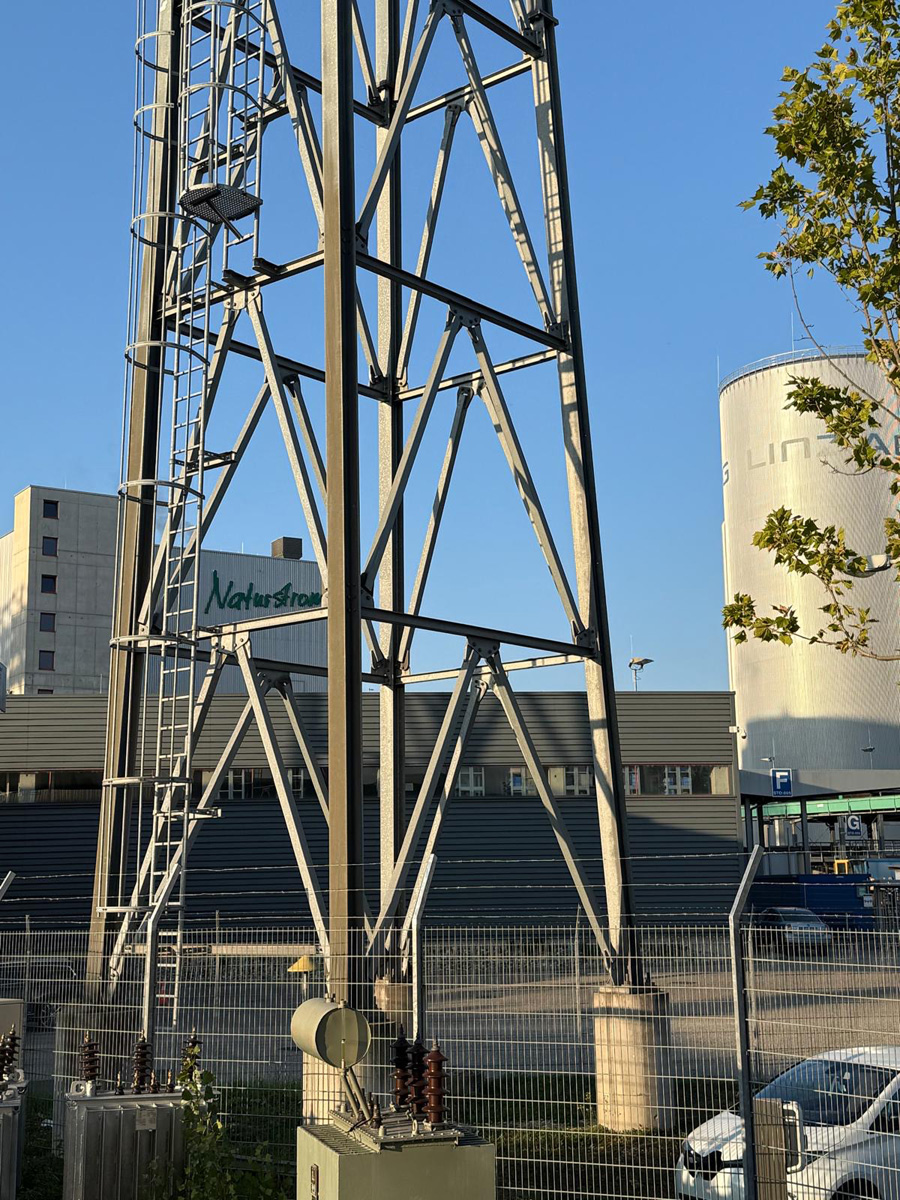
The first day focused on Salzburg AG and Linz AG, while the second day brought the delegation to Wien Energie in Vienna, where Stadtwerke Graz also participated in the programme.
The combination of utility visits, technical discussions, and workshops provided a platform for exchanging experience on district heating planning, operations, and future investments.
Two themes were particularly central to the programme:
Green heat sources and sustainable heat supply: Exploring how renewable energy, excess heat, and flexible production can replace fossil fuels while maintaining a reliable and efficient heat supply.
District heating network expansion and optimisation: Discussing how existing networks can become more efficient, how new customers can be connected, and how better asset management and system optimisation can support future growth.
Thomas Engberg Pedersen participated as a district heating expert from HOFOR, adding a Danish utility perspective to the dialogue. His participation helped foster valuable discussions about the similarities and differences between district heating in Denmark and Austria, alongside the exchange between Austrian utilities and Danish technology providers.
Building partnerships beyond the study tour
The visit was about more than showcasing Danish technology.
For Salzburg AG, Linz AG, Wien Energie and Stadtwerke Graz, the visit provided a forum to share their own experience and discuss their priorities with Danish counterparts. HOFOR contributed practical utility knowledge, while Danish companies gained a better understanding of Austrian conditions and opportunities for cooperation.
The collaboration between DBDH and the Austrian Institute of Technology was central to this approach. Building on a partnership established in 2022, the organisations continue to connect Danish district heating expertise with Austrian utilities and their specific needs.
The next step is turning dialogue into action. By bringing together utilities, technology providers, and district heating experts, the visit provided a foundation for continued knowledge exchange, technical cooperation, and the further development of sustainable district heating in Austria.
The value of the exchange lay in learning from one another: identifying shared challenges while recognising the differences that shape district heating development in each country.
Read the latest industry news on dbdh.org here.