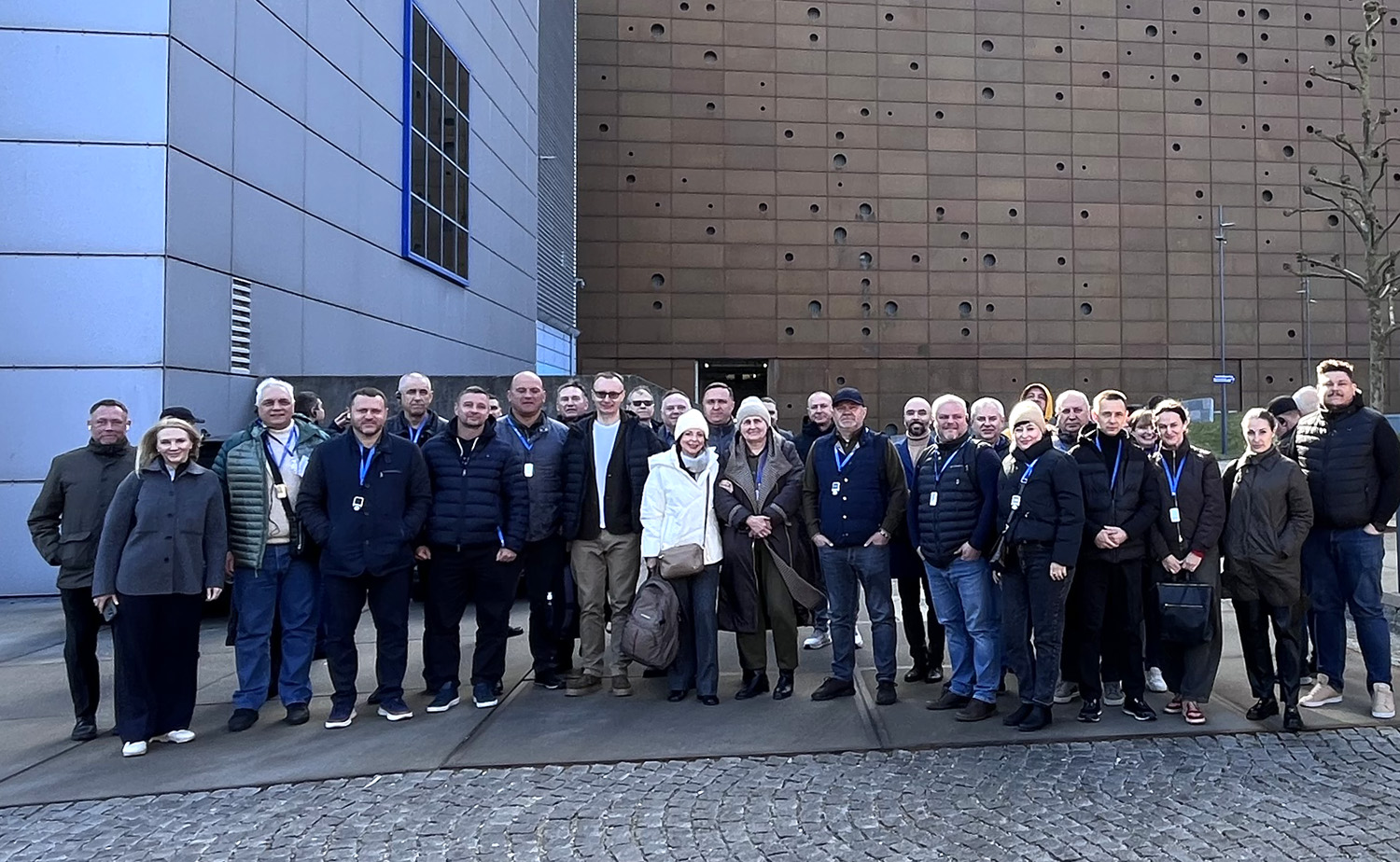
From 17–19 March, Ukrainian district heating decision-makers visited Denmark to learn how Danish utilities combine green transition, operational resilience, and practical heat planning.
How do you rebuild a heat sector under pressure from war, aging infrastructure, and fossil dependence?
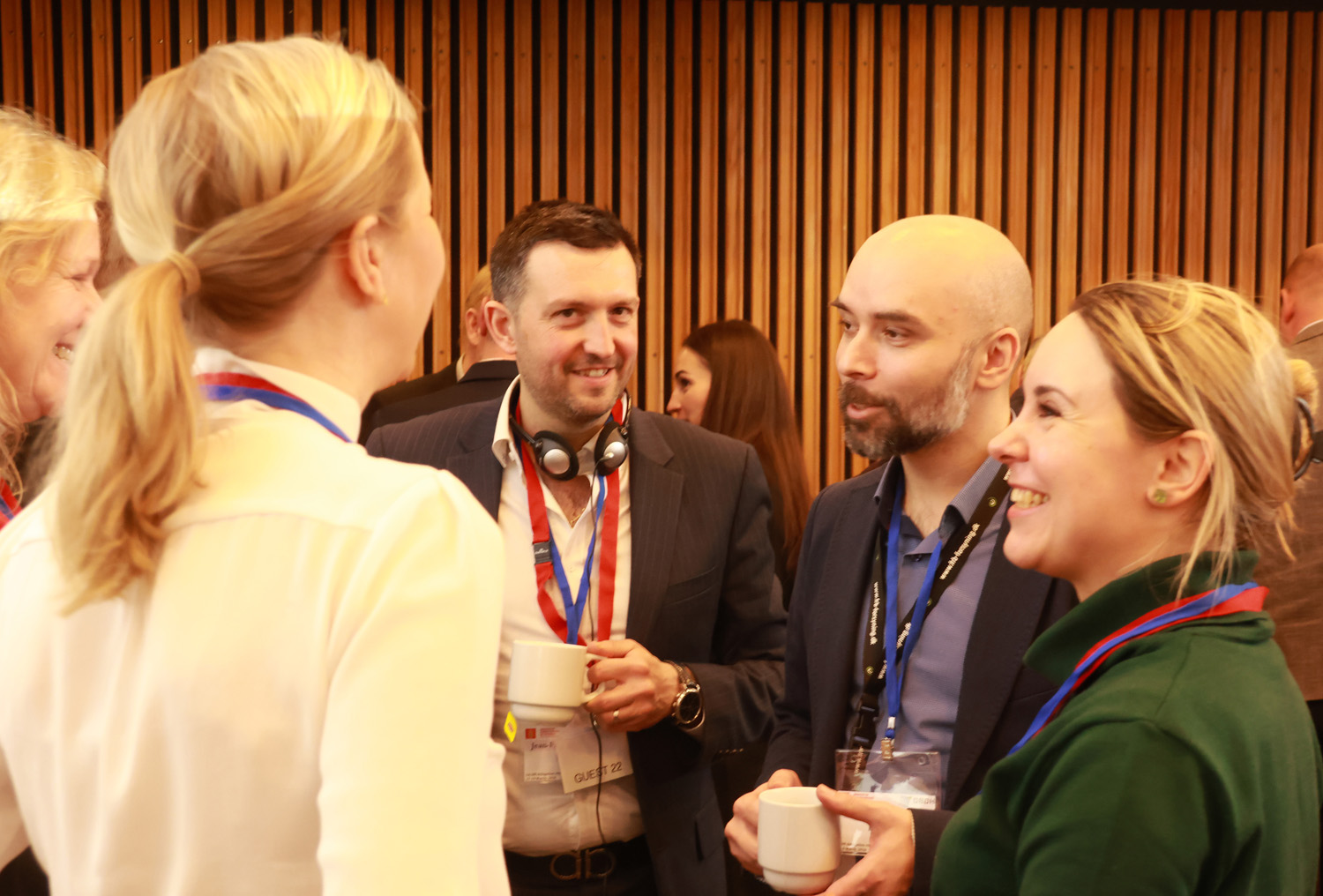
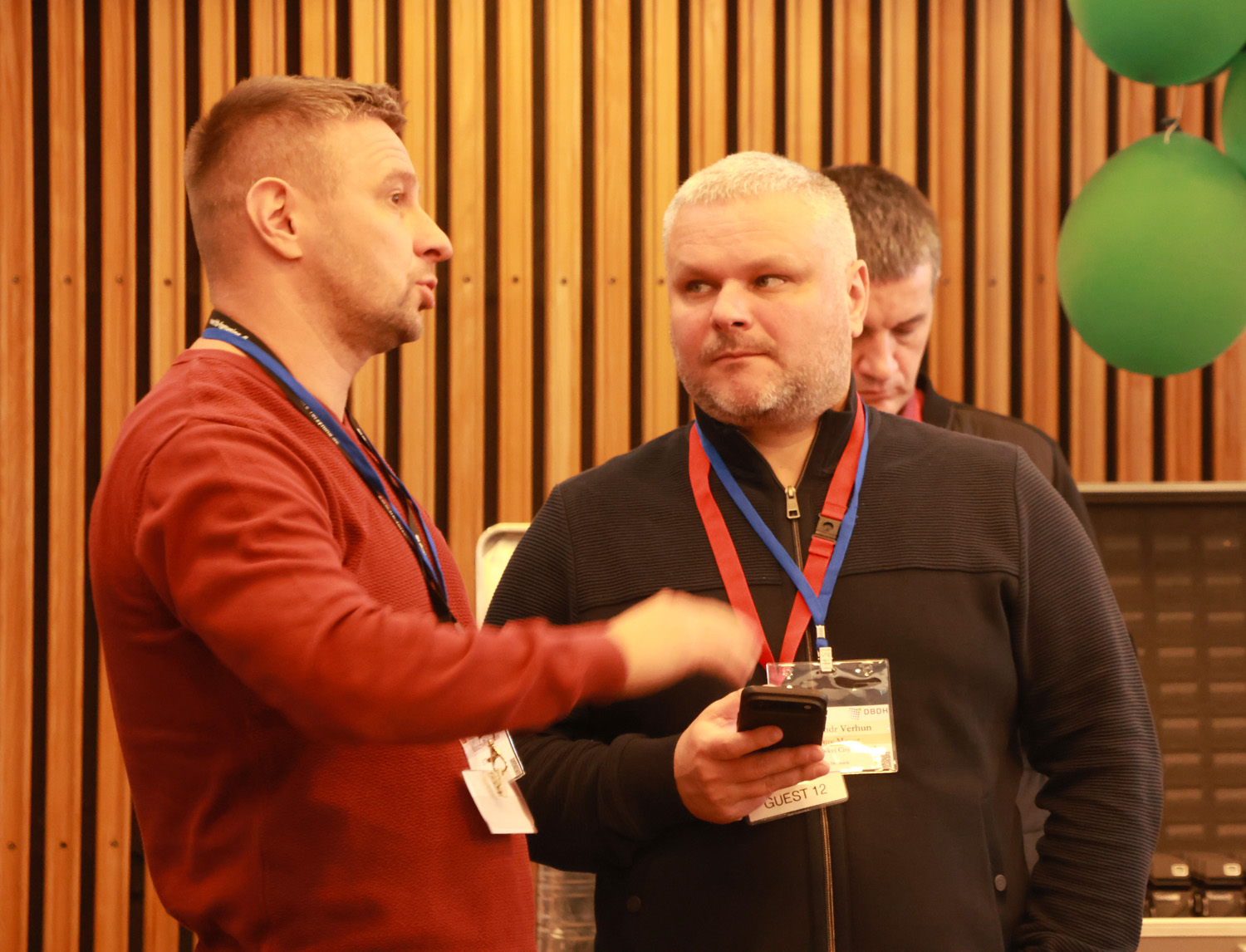
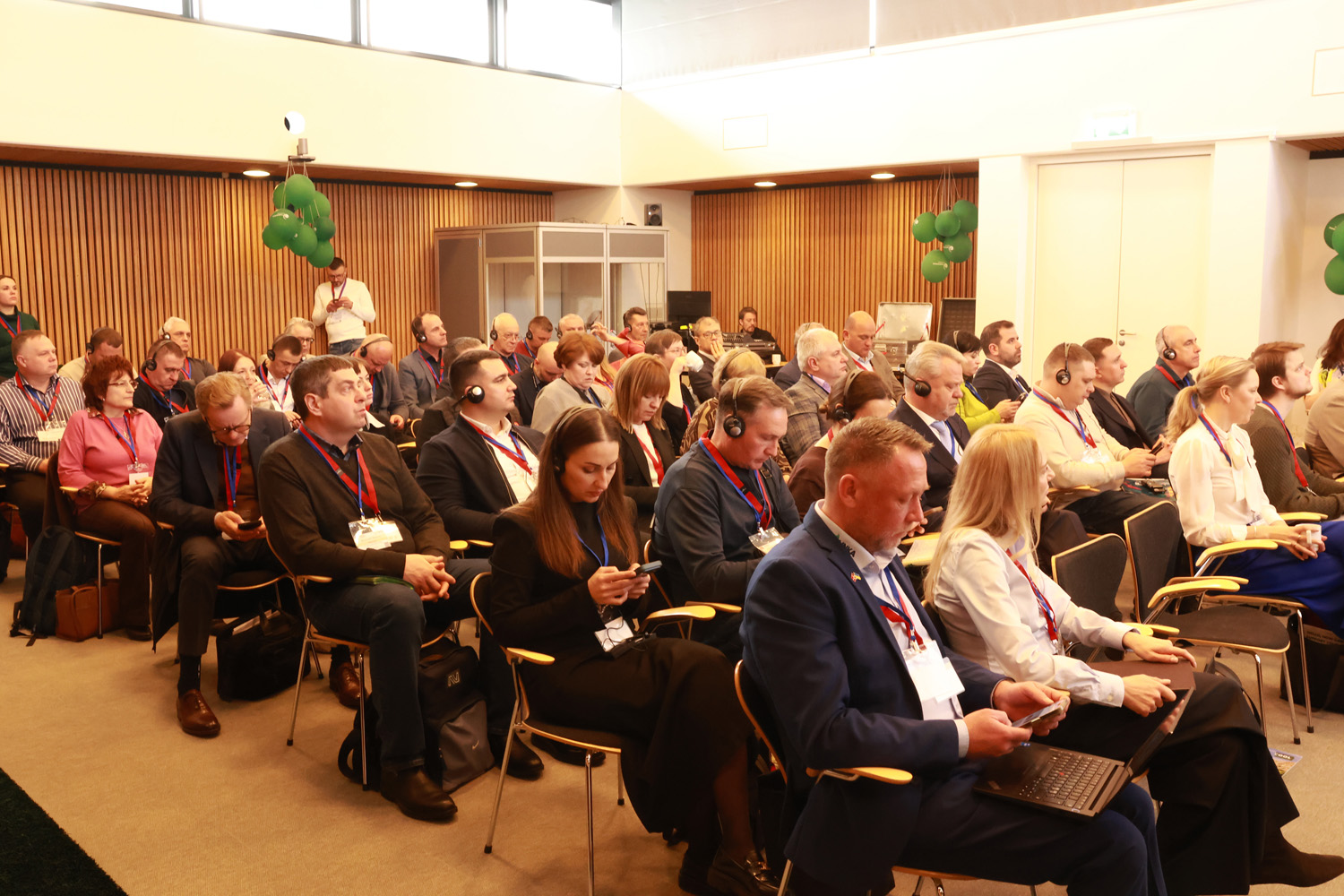
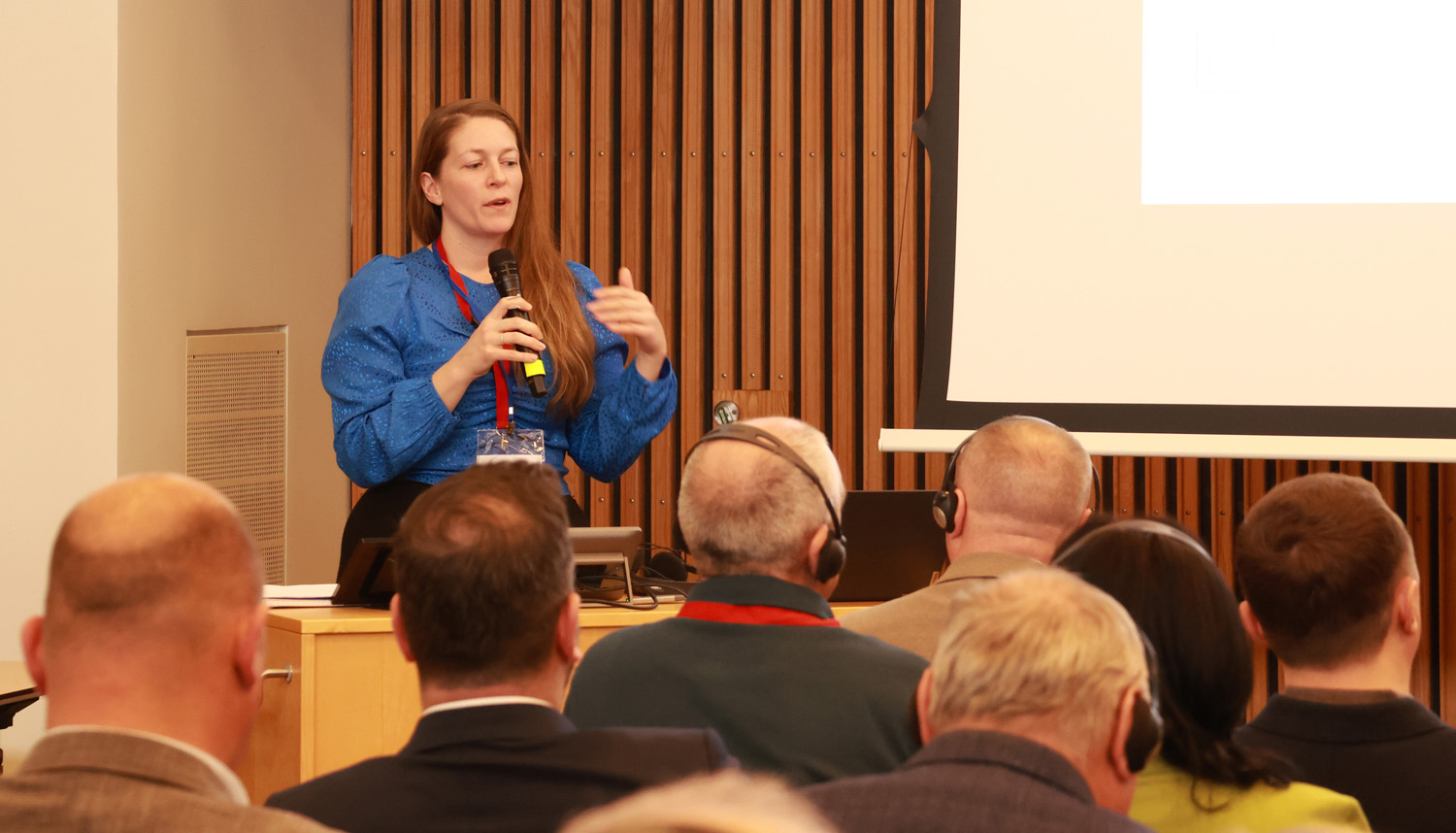
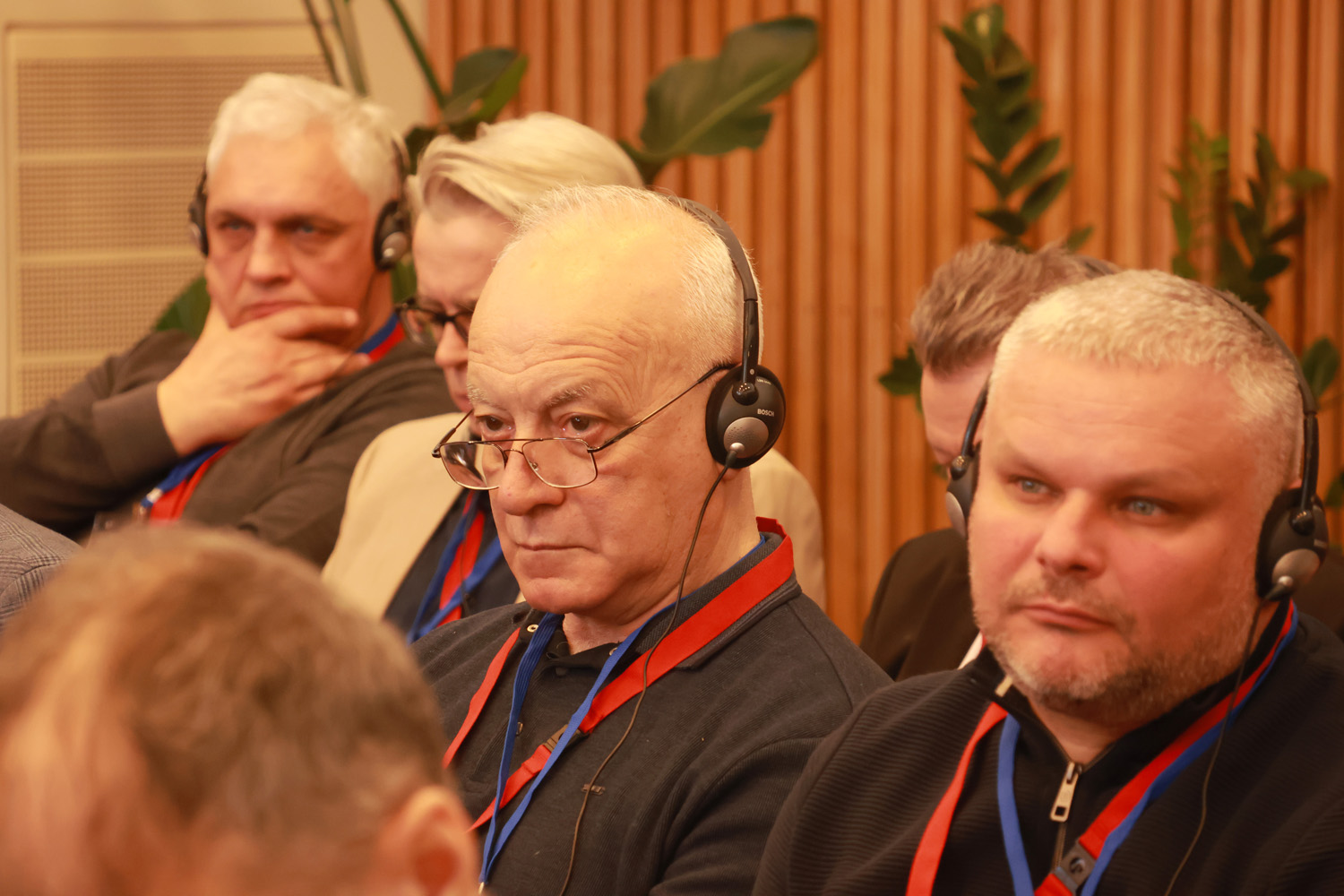
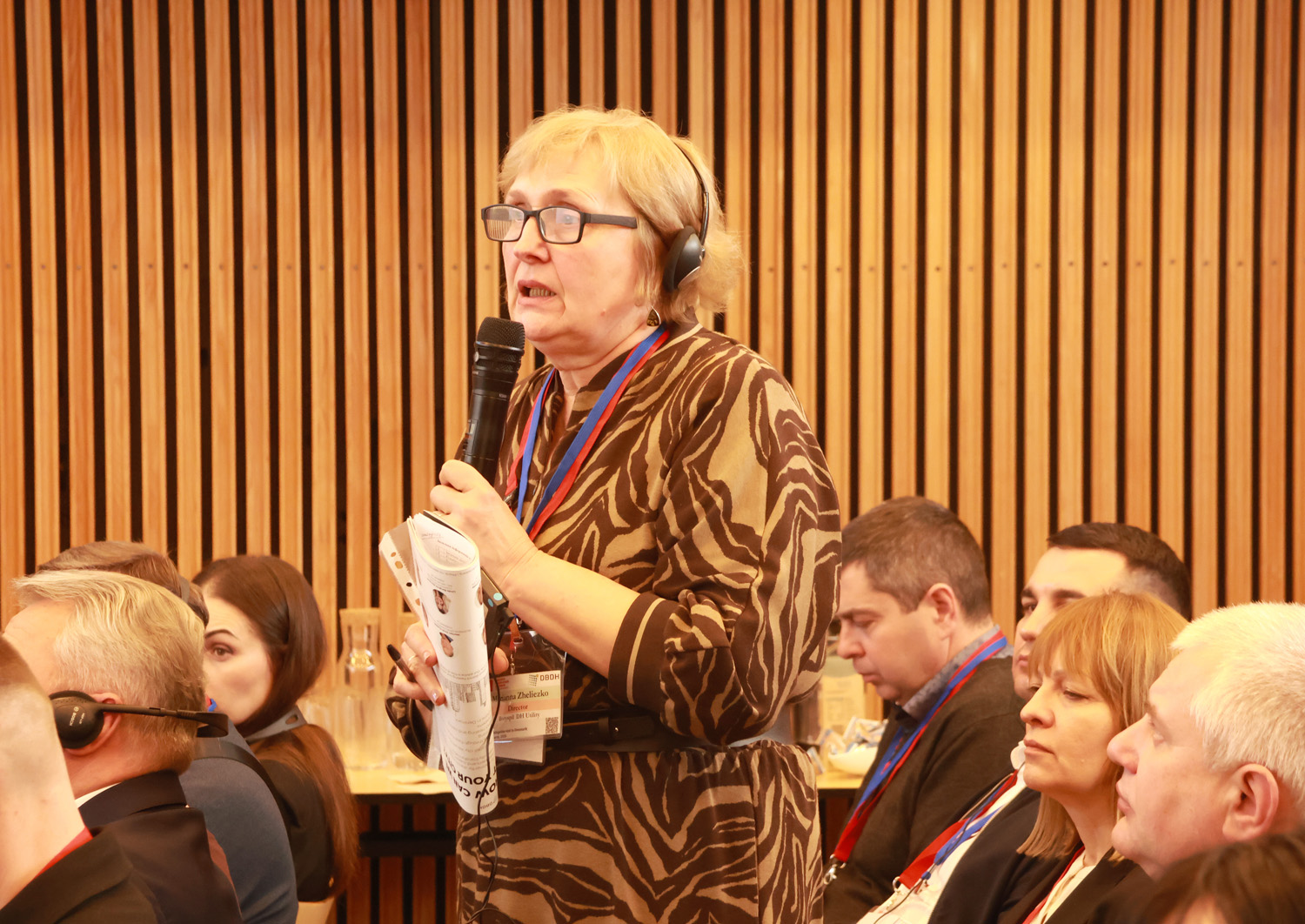
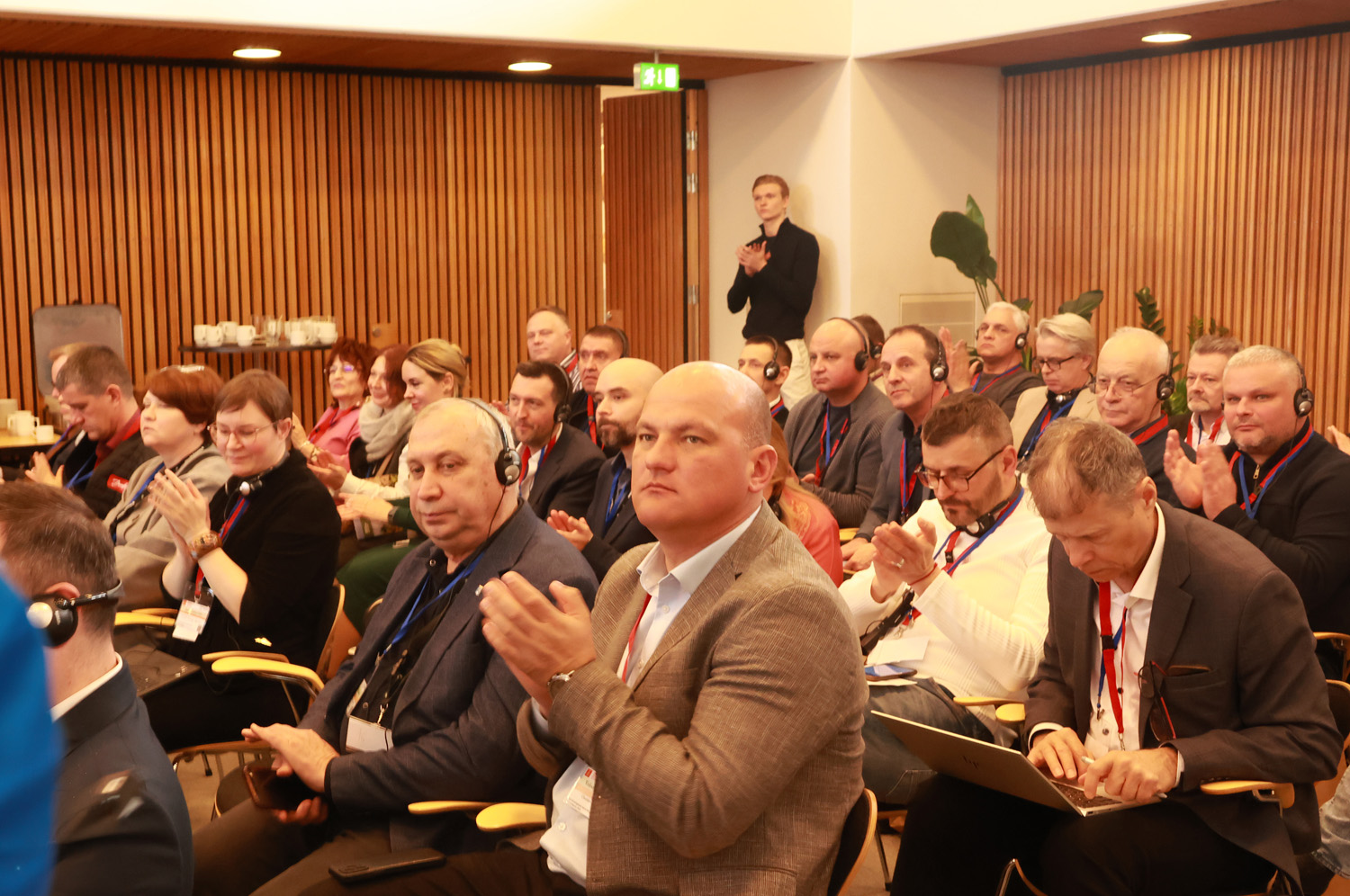
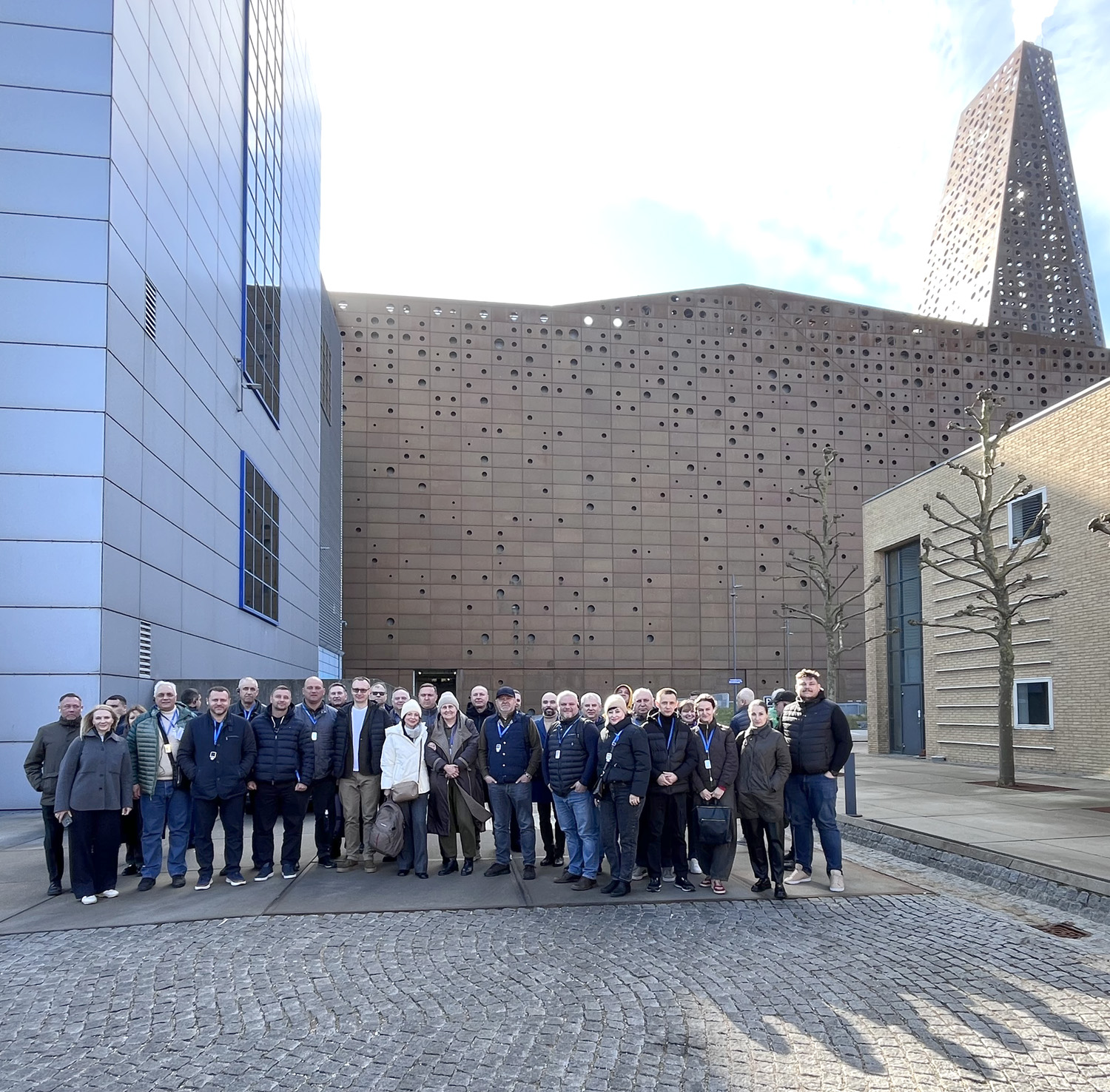
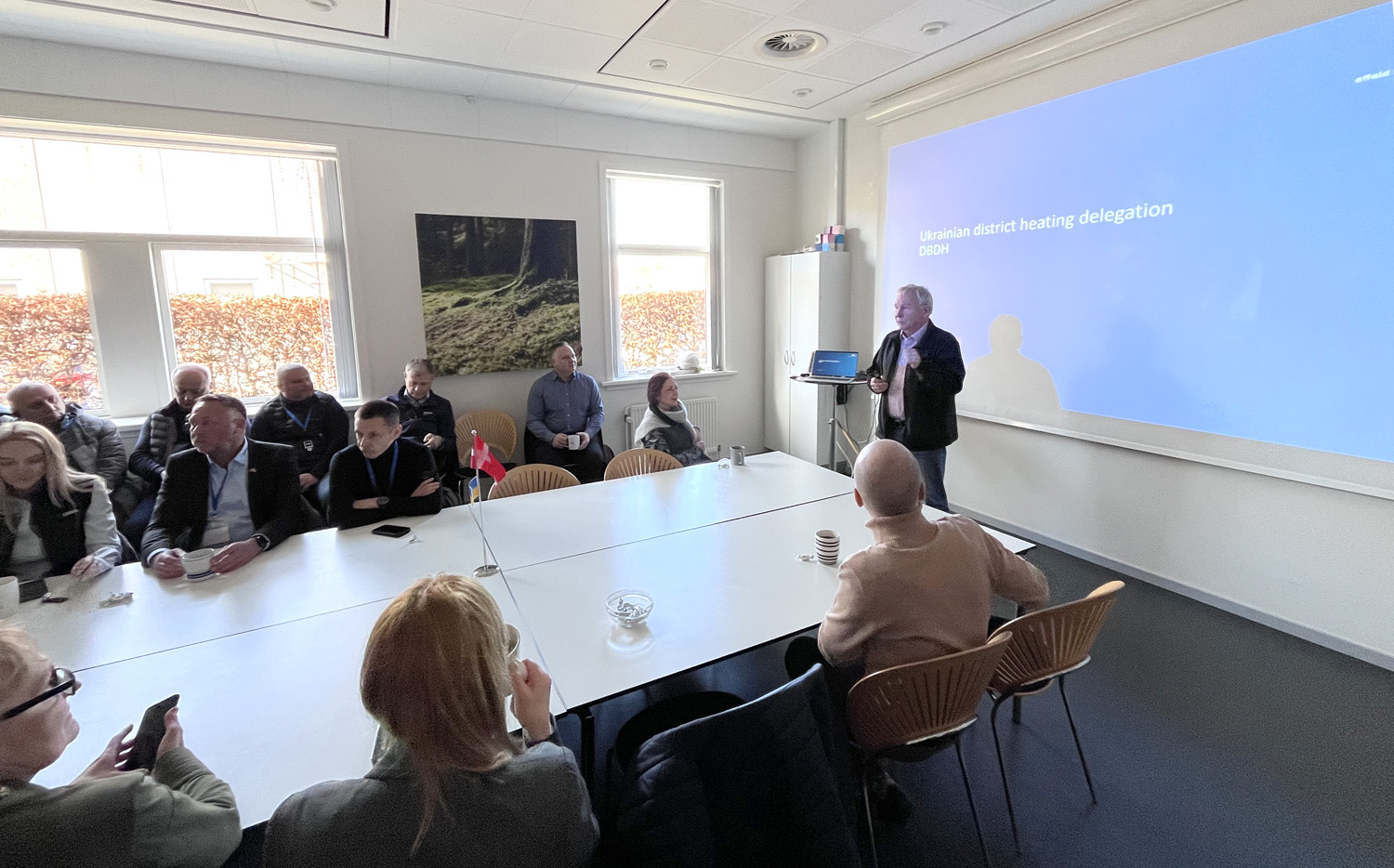
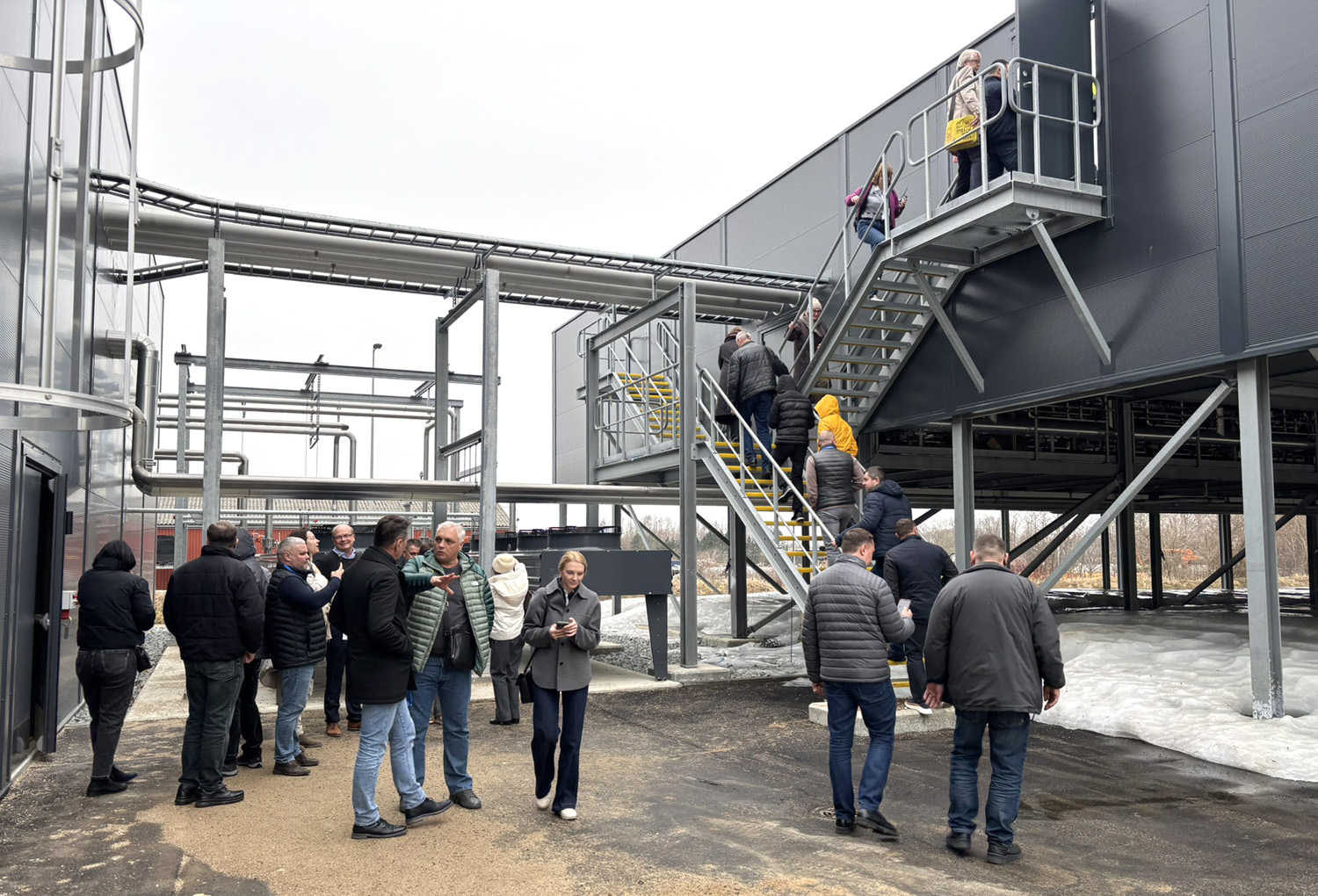
That was the starting point when a Ukrainian delegation of district heating decision-makers visited Denmark from 17–19 March for a three-day program focused on modernization, green transition, and long-term recovery. Organized by DBDH in cooperation with the Royal Danish Embassy in Ukraine, the visit brought together 16 representatives from Ukrainian municipalities and district heating companies.
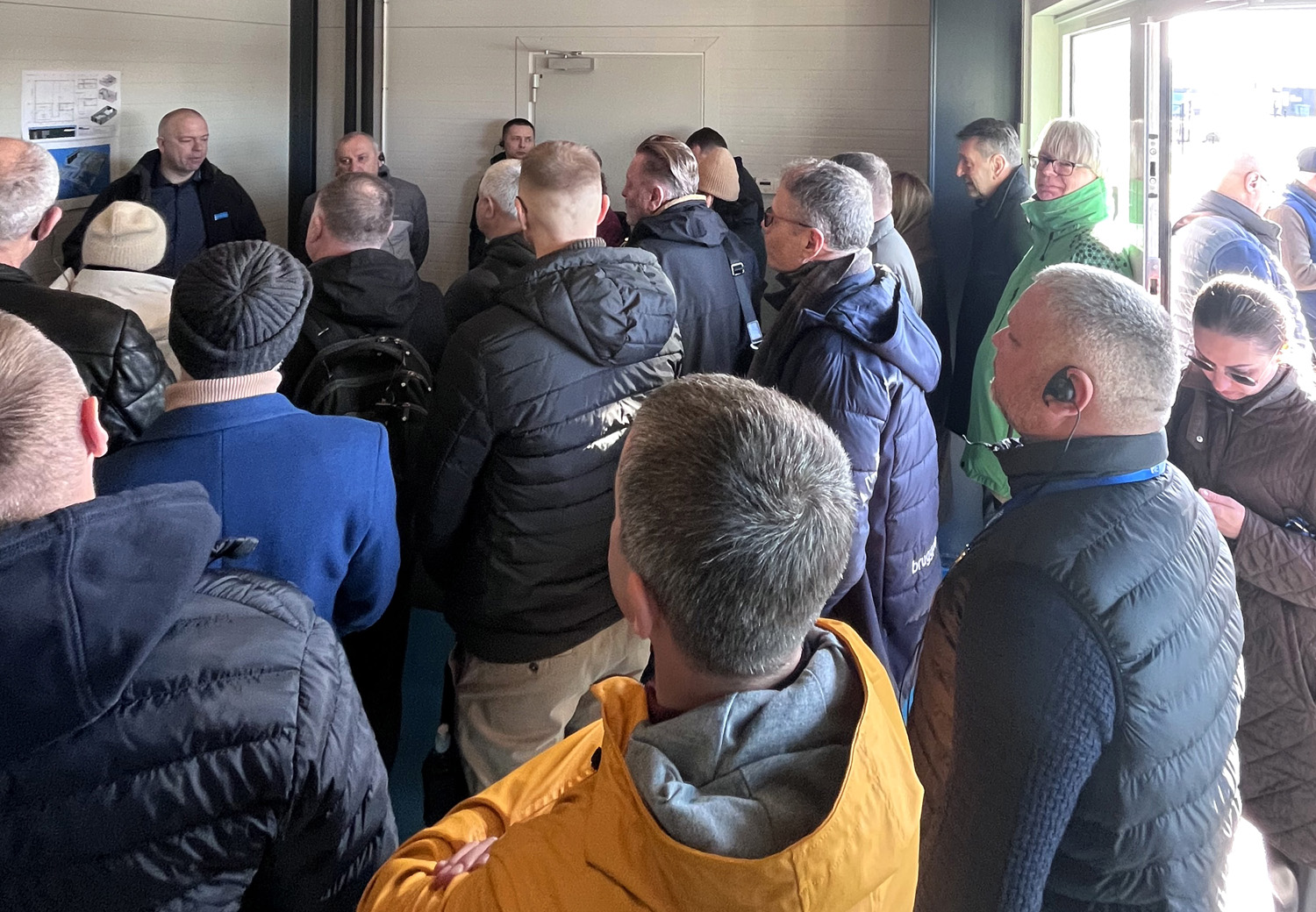
The delegation met Danish stakeholders in Copenhagen before continuing to site visits on Zealand and Funen. The aim was clear: to connect Ukrainian recovery needs with Danish experience in district heating, energy efficiency, and integrated heat planning.
Ukraine’s district heating sector is one of the largest in Europe, supplying heat to more than 100 cities and over 100,000 buildings. But the sector is under severe pressure. War damage, worn-out infrastructure, and a historic reliance on natural gas have made the need for modern, reliable, and more sustainable heat solutions urgent.
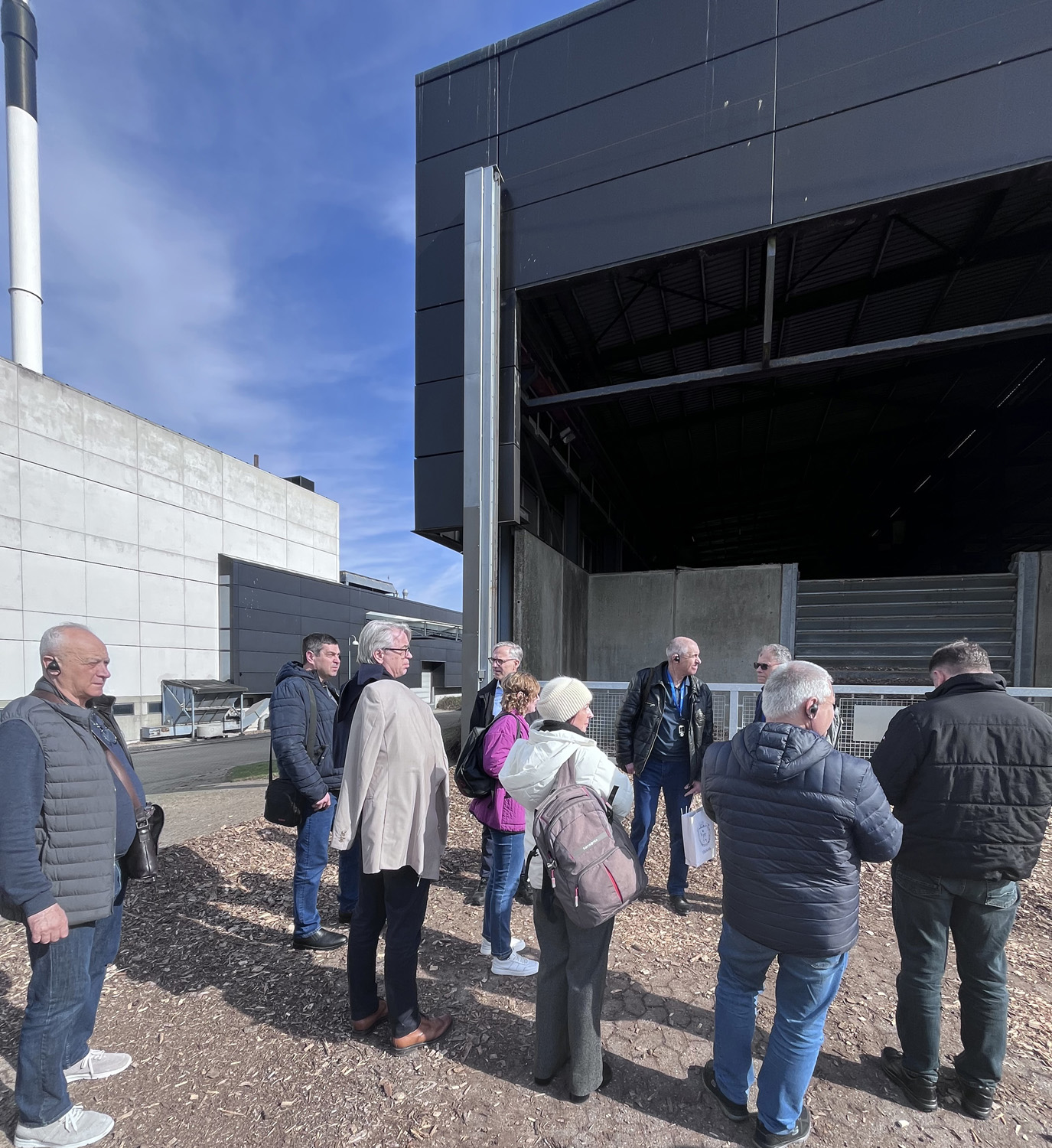
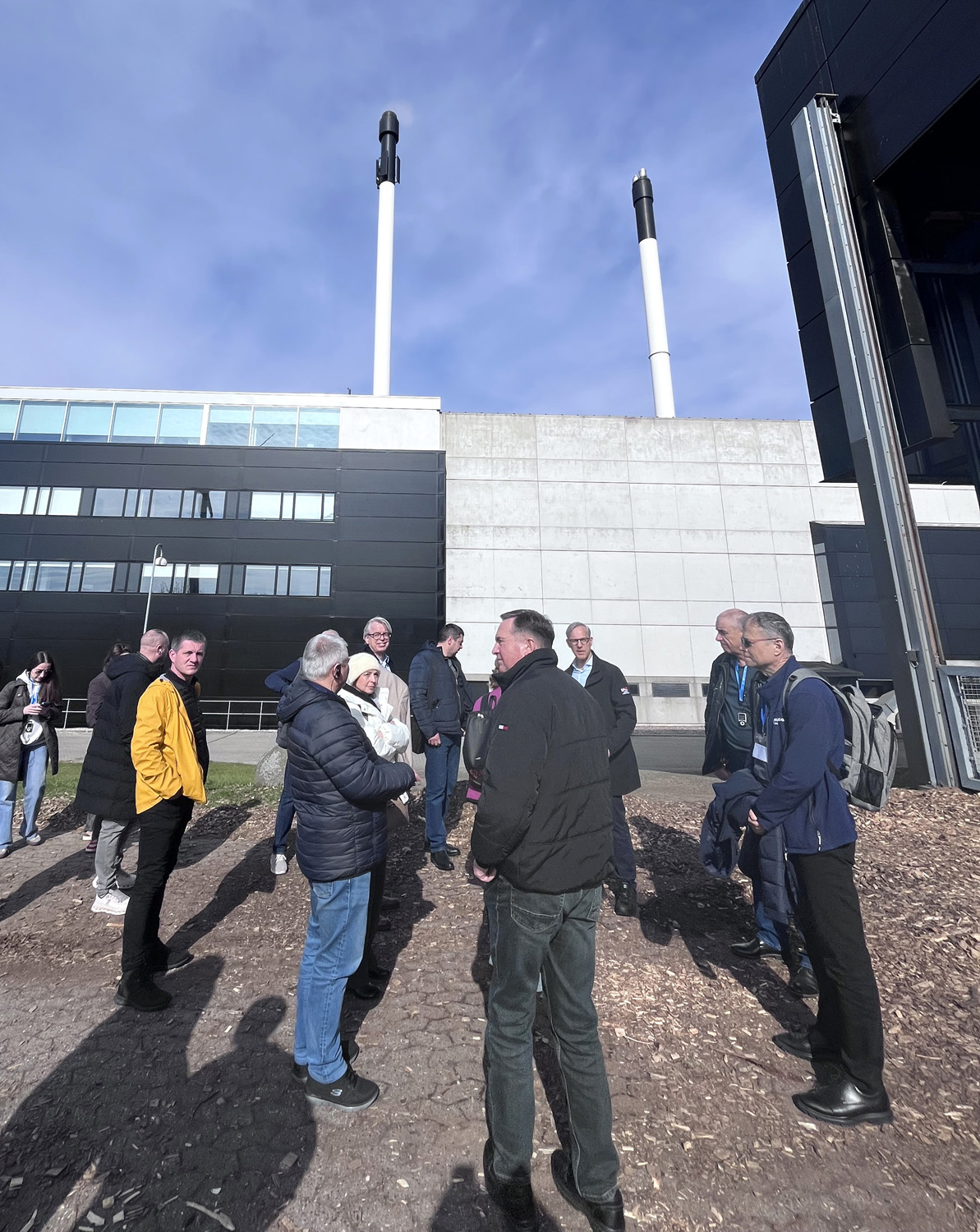
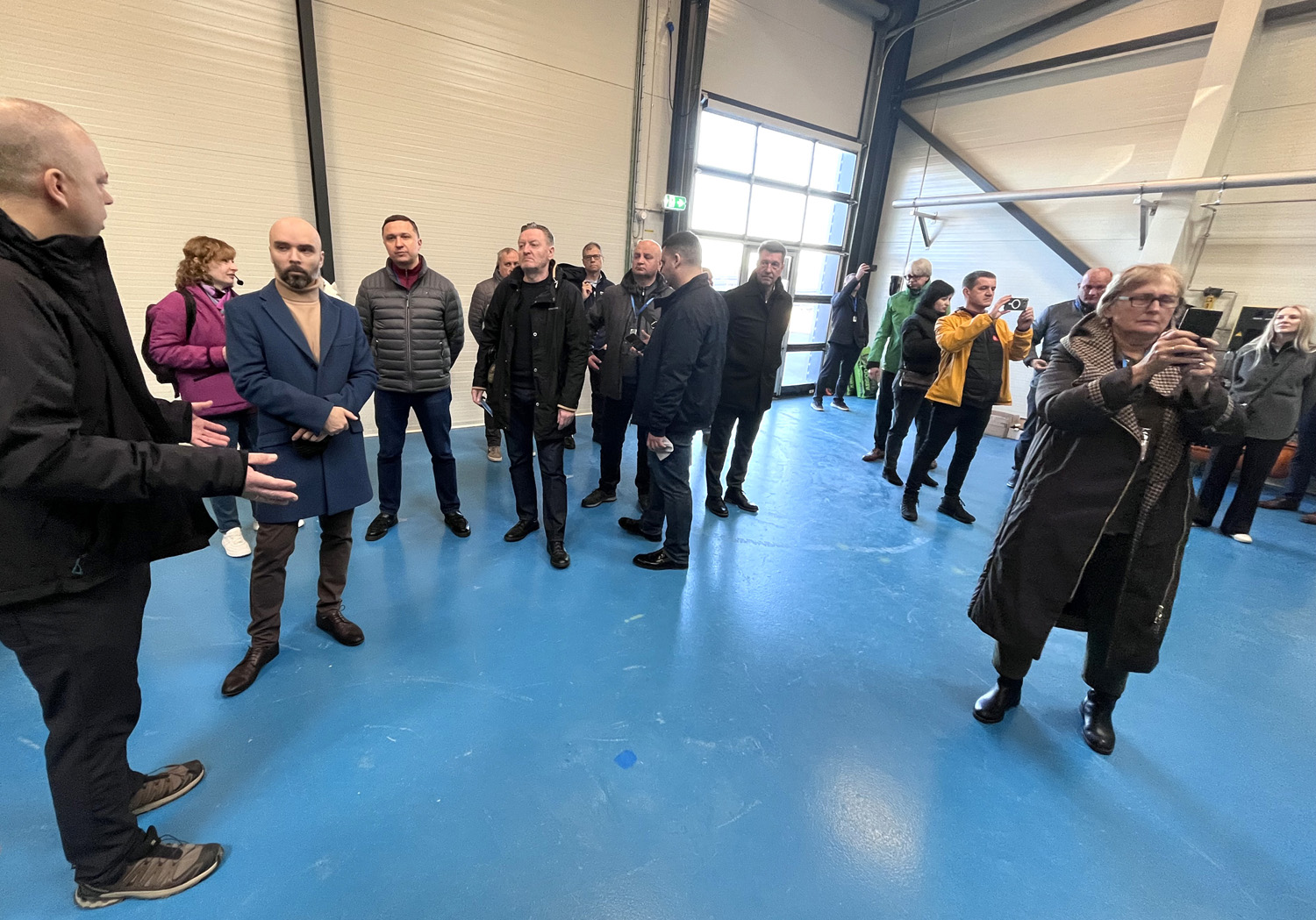
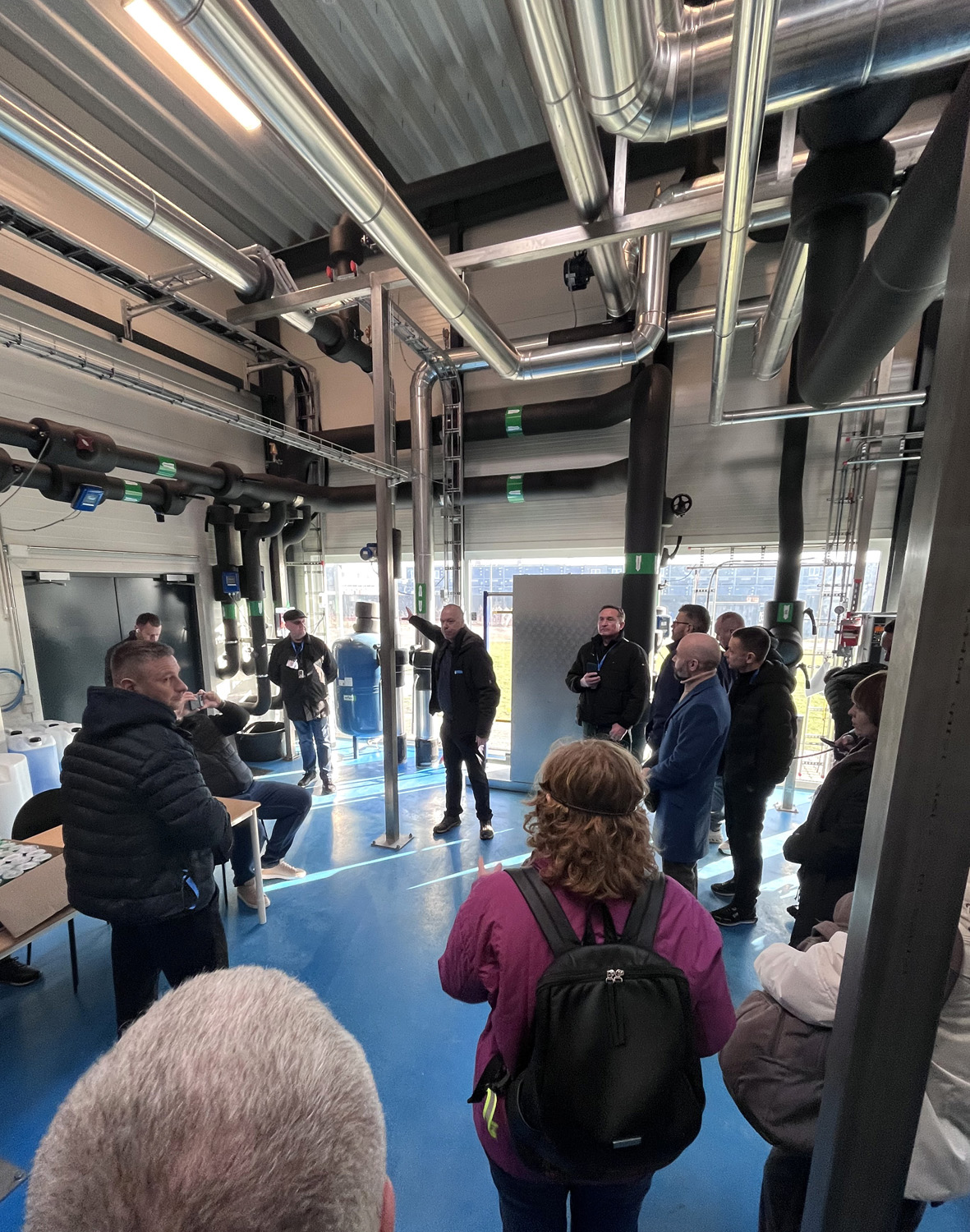
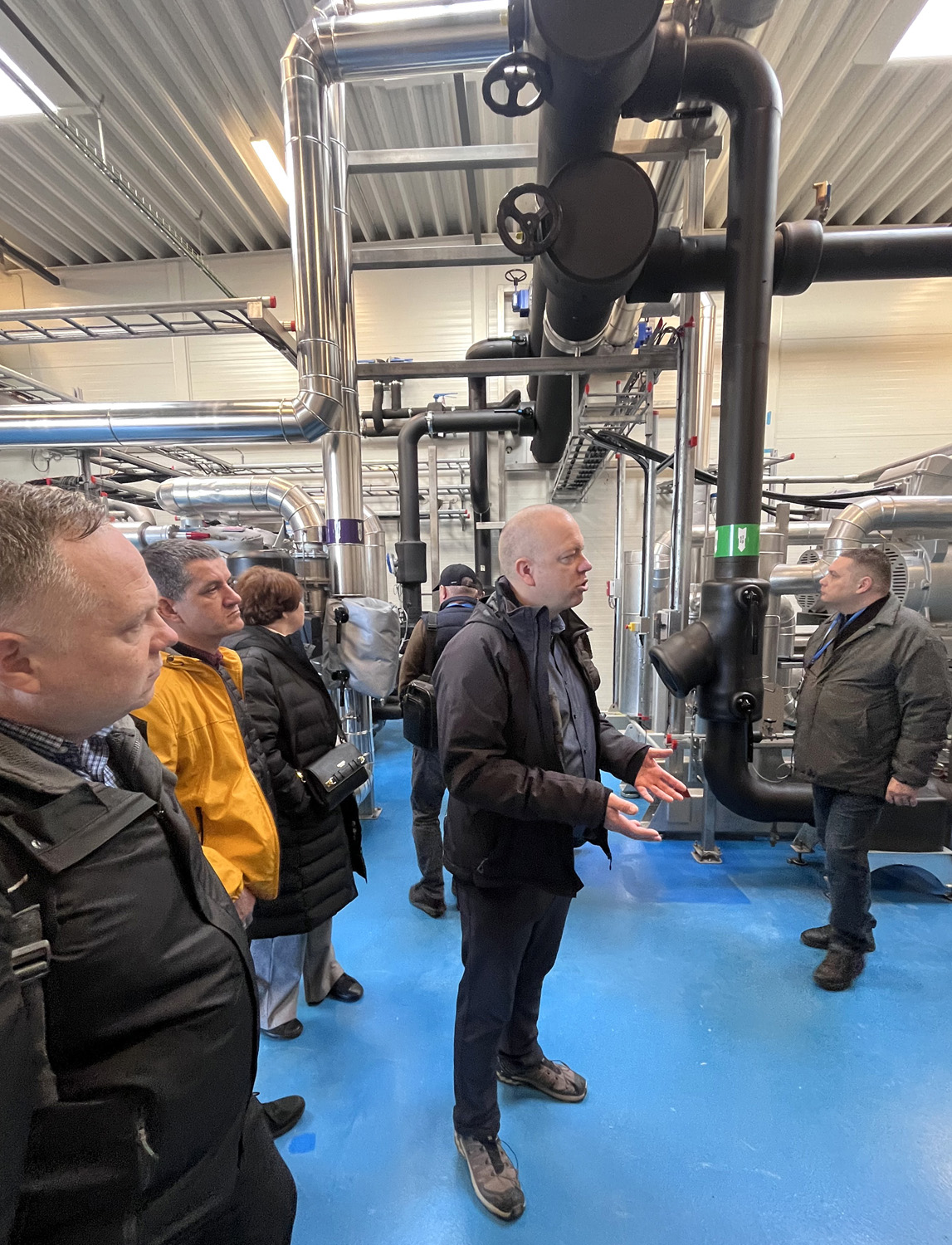
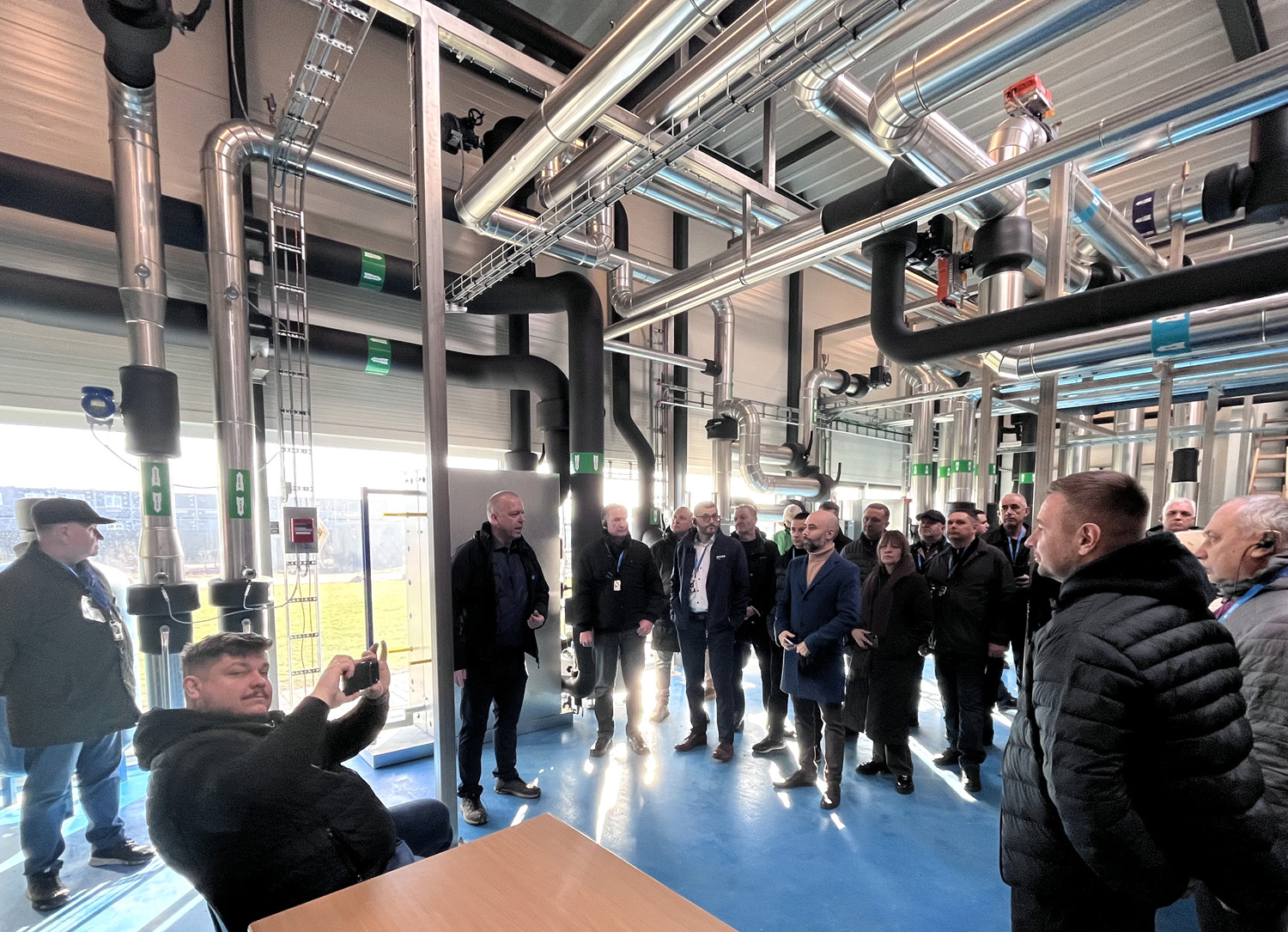
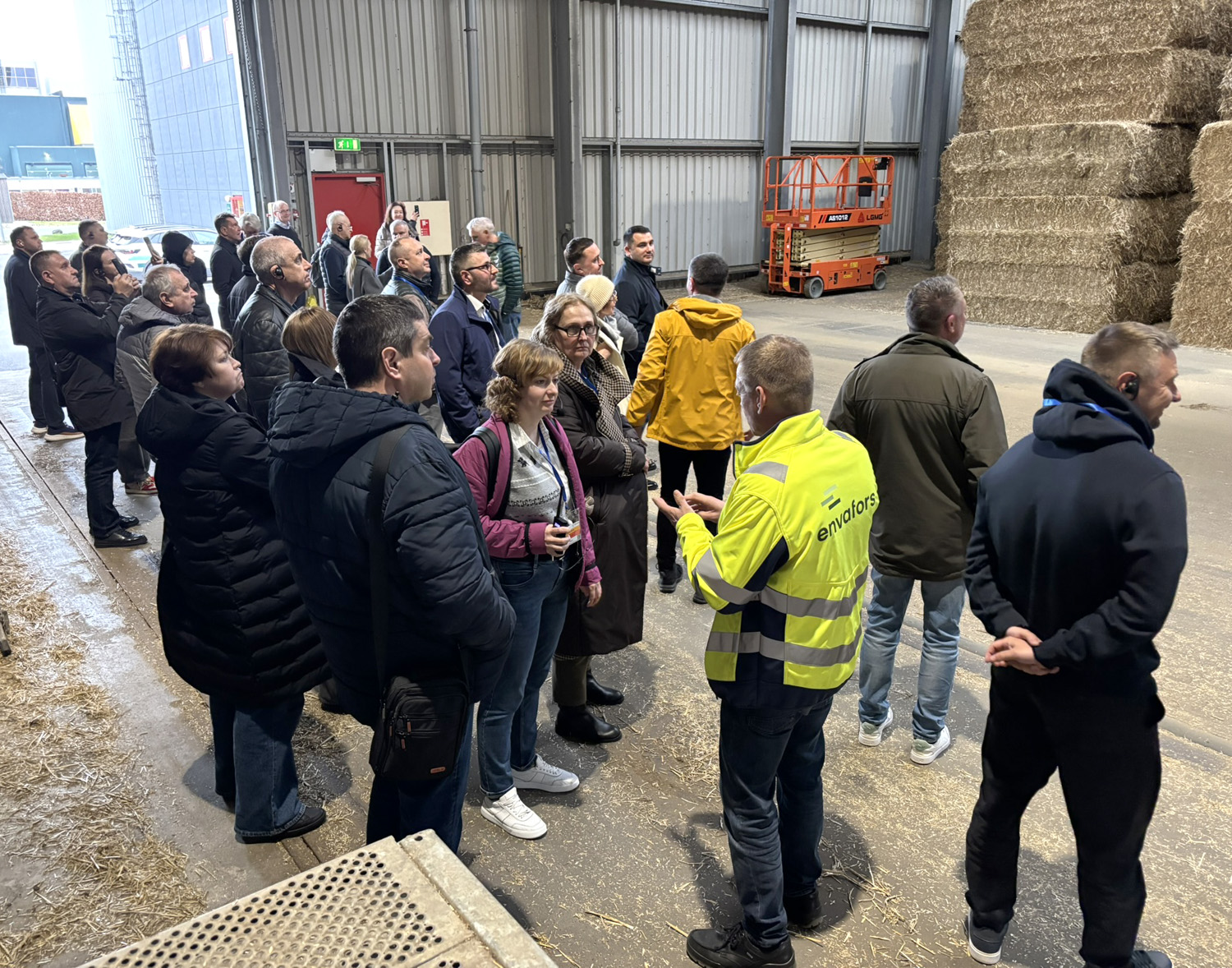
For that reason, the Danish site visits were more than technical showcases. They were practical examples of how heat systems can be planned and operated with flexibility, integration, and long-term resilience in mind. The program included visits to utilities such as Frederiksberg Forsyning, Høje Taastrup Fjernvarme, ARGO, Sorø Fjernvarme, Assens Fjernvarme, and Envafors.
As DBDH puts it: “The site visits show good examples of how local Danish district heating companies can play an important role as knowledge-sharing partners. It is exactly this practical experience that international delegations come to Denmark to see and learn from.”
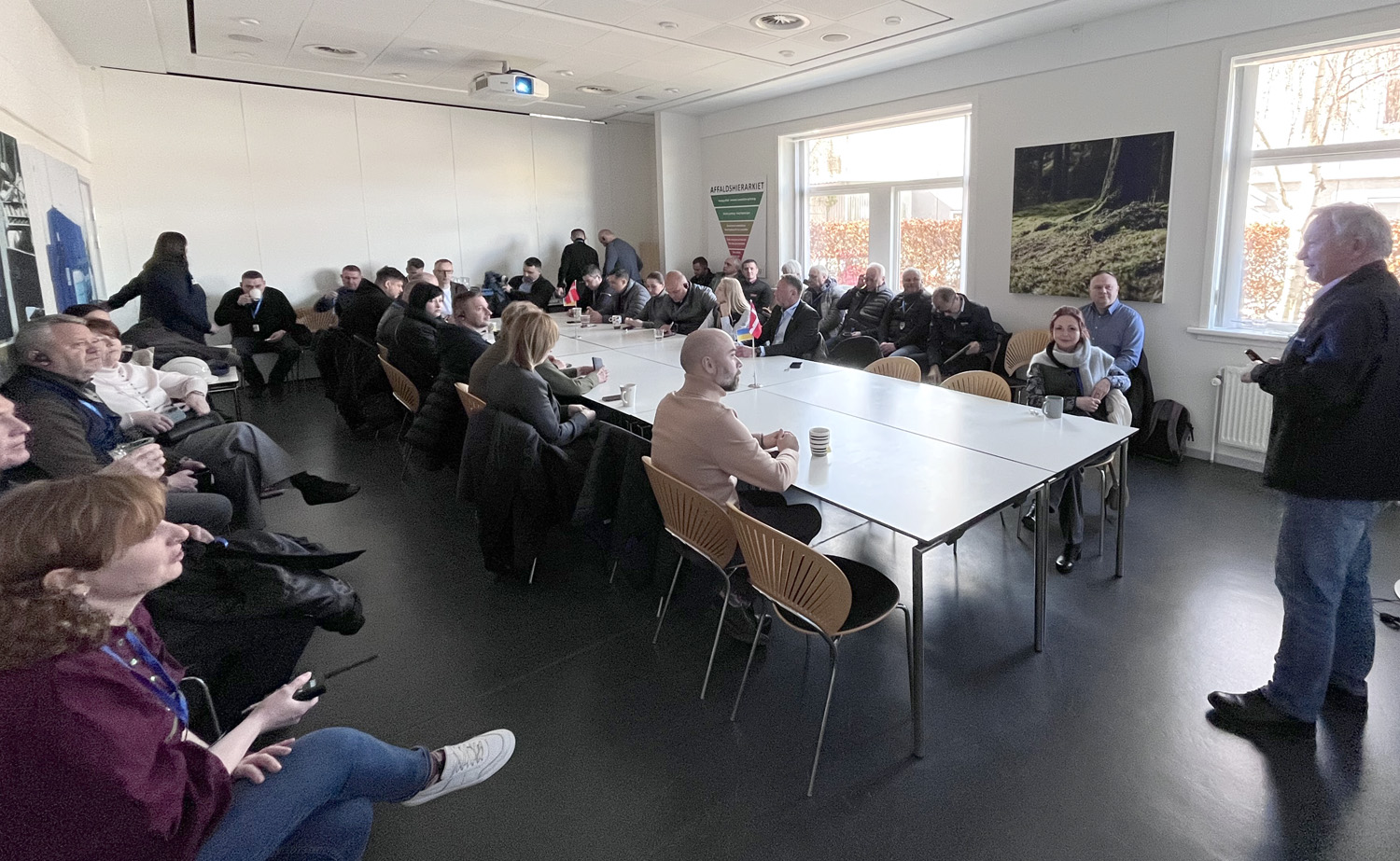
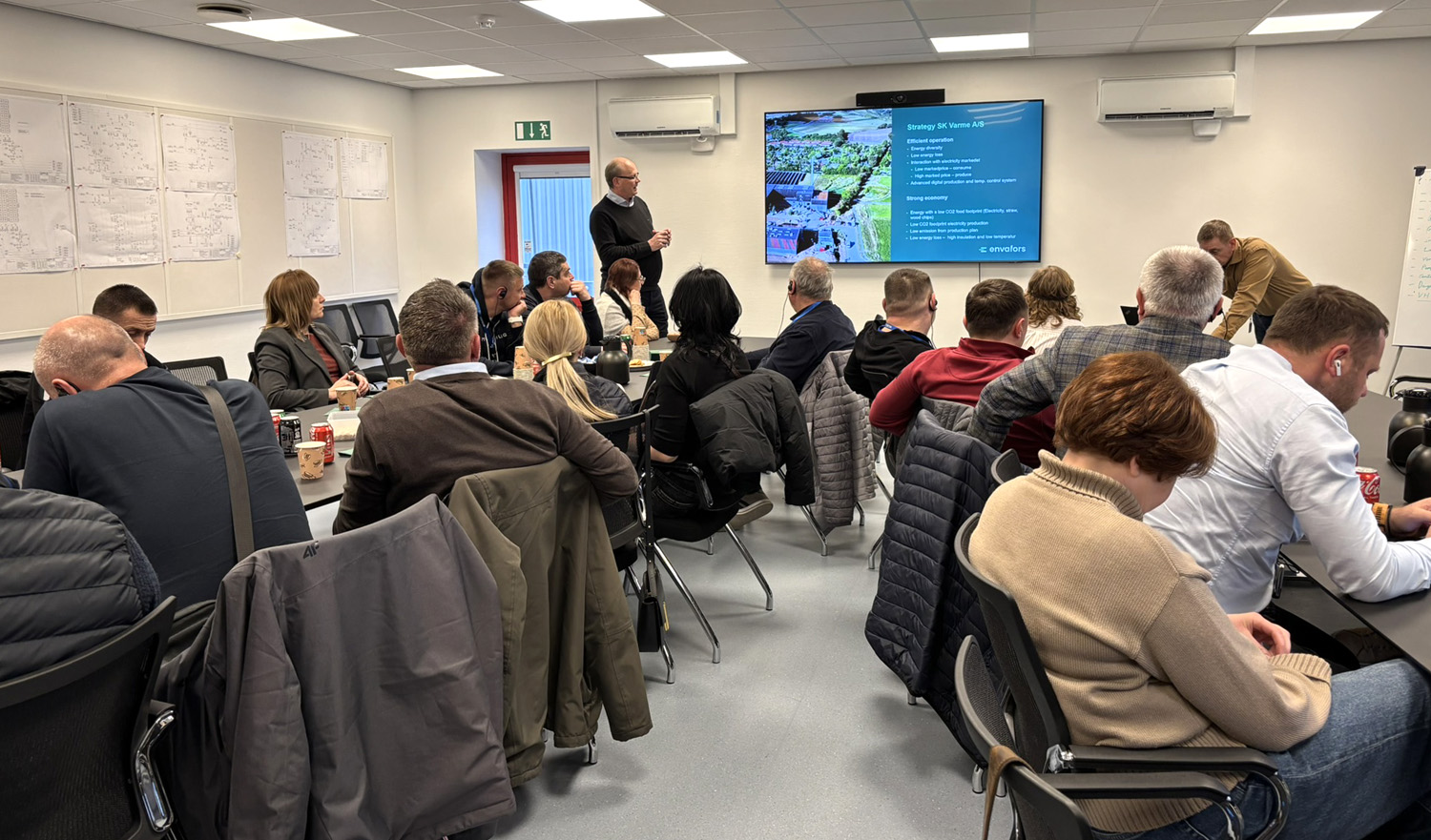
At Envafors, the delegation was introduced to the practical realities of local heat supply, operations, and knowledge sharing.
Henrik Birch, CEO of Envafors, says:
“We are pleased to share our experience with district heating and show how a Danish utility can help create a more stable and sustainable local heat supply. At Envafors, we have gained extensive practical experience — not only with the technology itself, but also with cooperation and knowledge sharing. That combination is exactly what makes district heating an important part of the solution when cities want to strengthen energy security while reducing their climate footprint.”

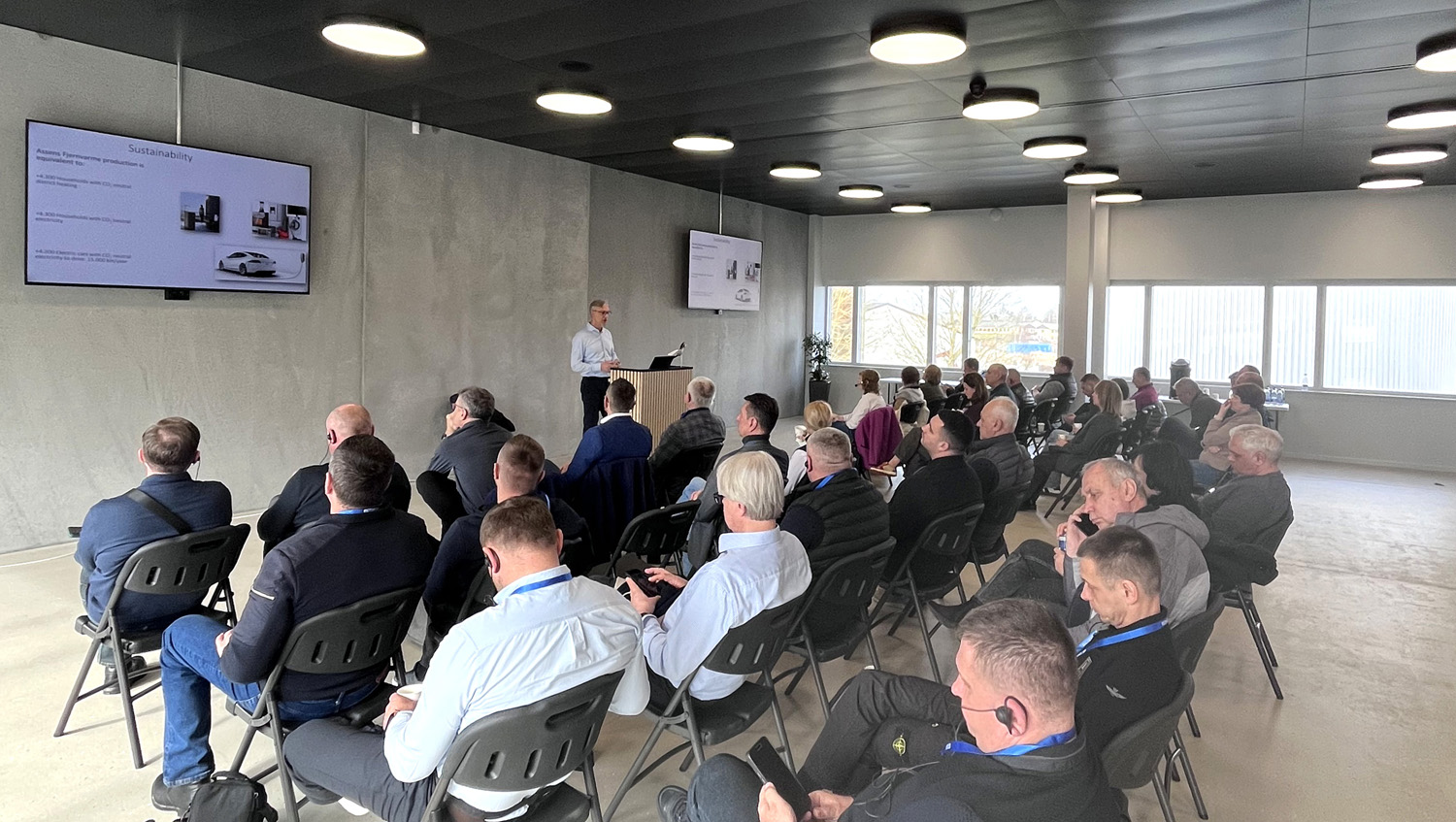
At Assens Fjernvarme, the conversation added another dimension: district heating as critical infrastructure. Here, the dialogue focused not only on decarbonization, but also on preparedness and the need to operate under increasingly uncertain conditions.
Marc Roar Hintze, Director of Assens Fjernvarme, says:
“We see this as an opportunity to learn from each other. In Denmark, we talk about district heating as critical infrastructure — but our Ukrainian colleagues are working under truly extraordinary conditions, which puts that into a very different perspective.”
He also points to a lesson that reaches beyond Ukraine: “The ability to operate critical infrastructure independently of the wider system is no longer a theoretical scenario — it is a real challenge that should also be reflected in future political priorities.”

That message resonated strongly during the visit. Ukraine’s recovery is not only about replacing damaged assets. It is also about building heat systems that are more flexible, less dependent on fossil fuels, and better prepared for future disruption. Denmark’s district heating sector cannot solve that challenge alone, but it can offer something highly valuable: proven solutions and practical experience.
For DBDH, that is exactly the point. When Danish utilities open their doors to international delegations, they do more than share knowledge. They show how modern heat supply works in practice — and how local experience can support broader international partnerships.
Read the latest industry news on dbdh.org here.