DBDH hosted a French district heating delegation in Denmark on 2–3 December 2025 for a technical study tour showcasing how Danish district heating delivers high renewable shares, surplus heat utilization, and flexible system integration across multiple utilities.
The two-day program included site visits to Billund, Egtved, Haderslev, Nyborg, Korsør (Envafors), Sorø, and ARC in Copenhagen, offering direct insights into district heating at both local, regional, and metropolitan scales.
Cooperative ownership and hybrid renewable production
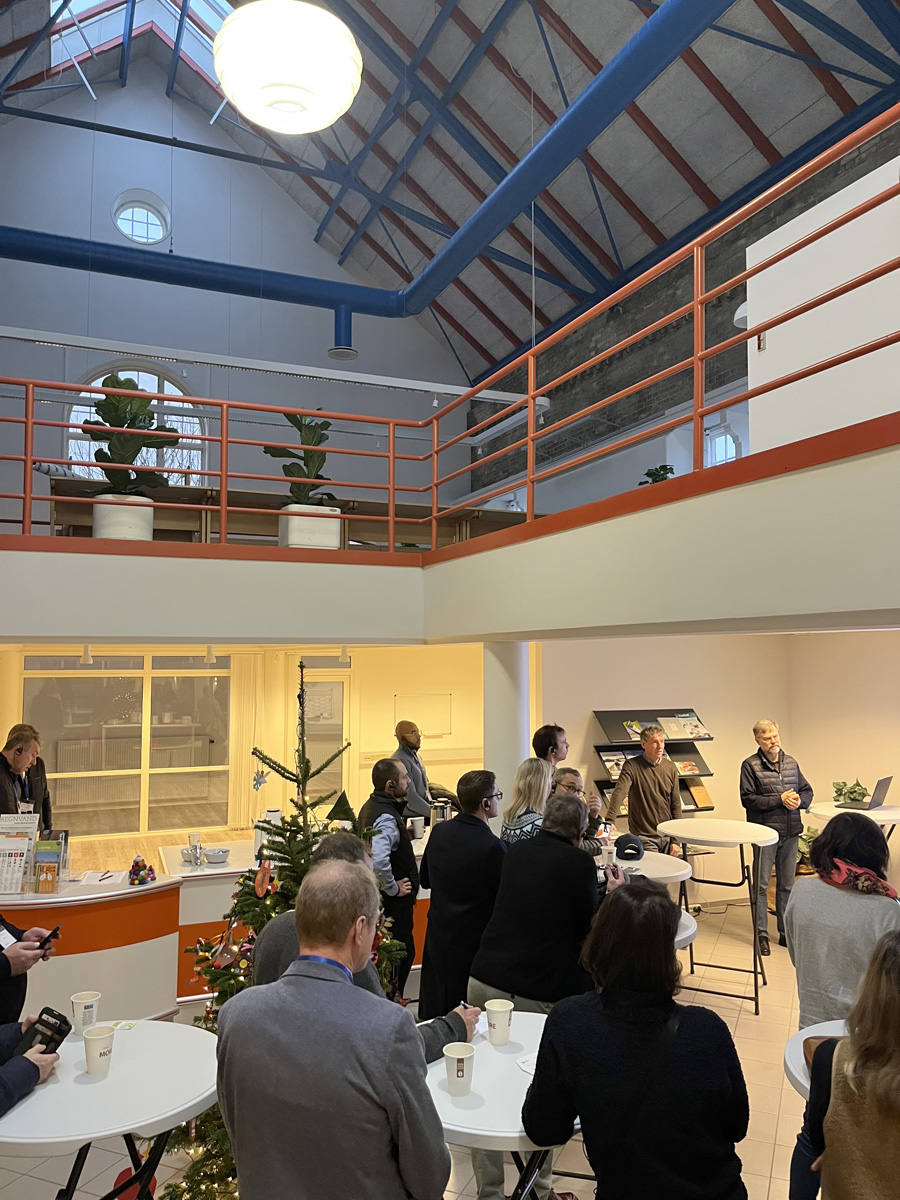
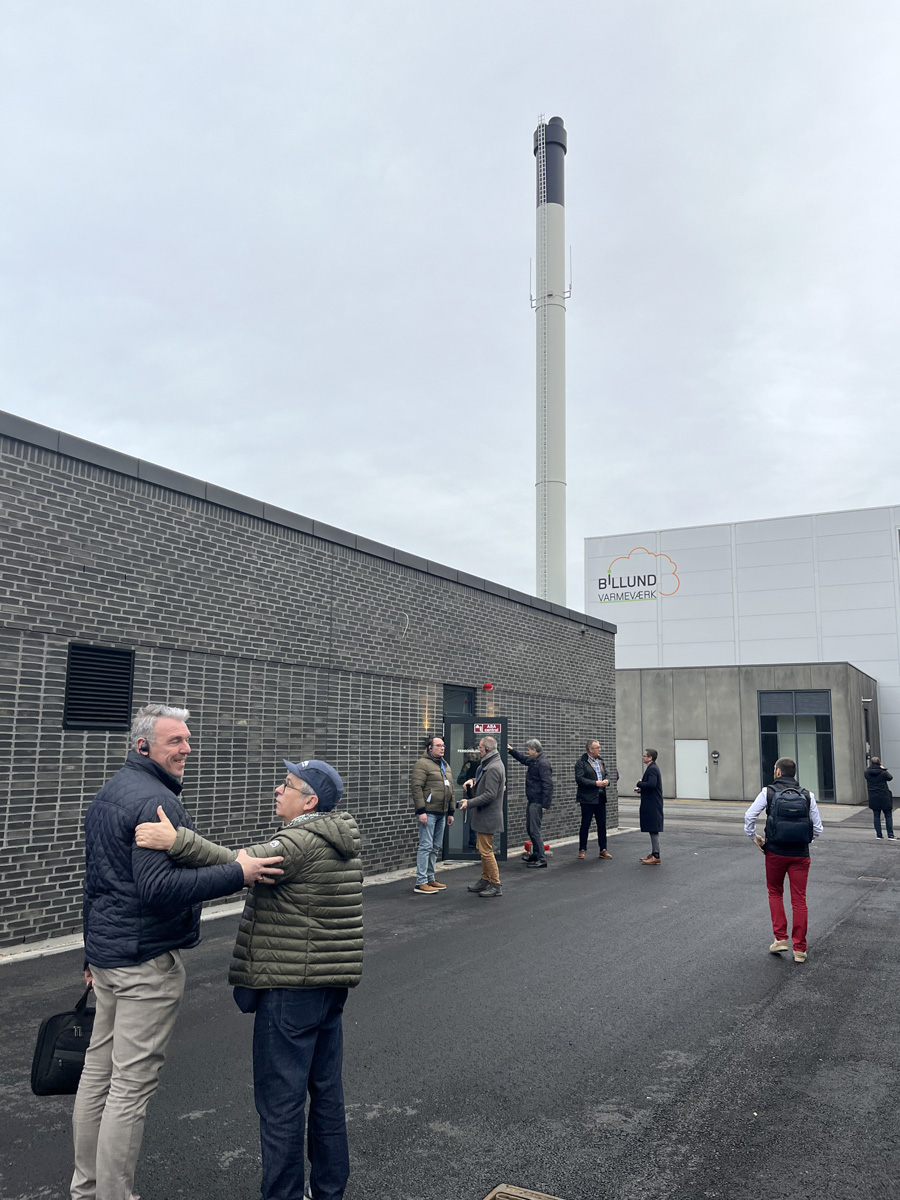
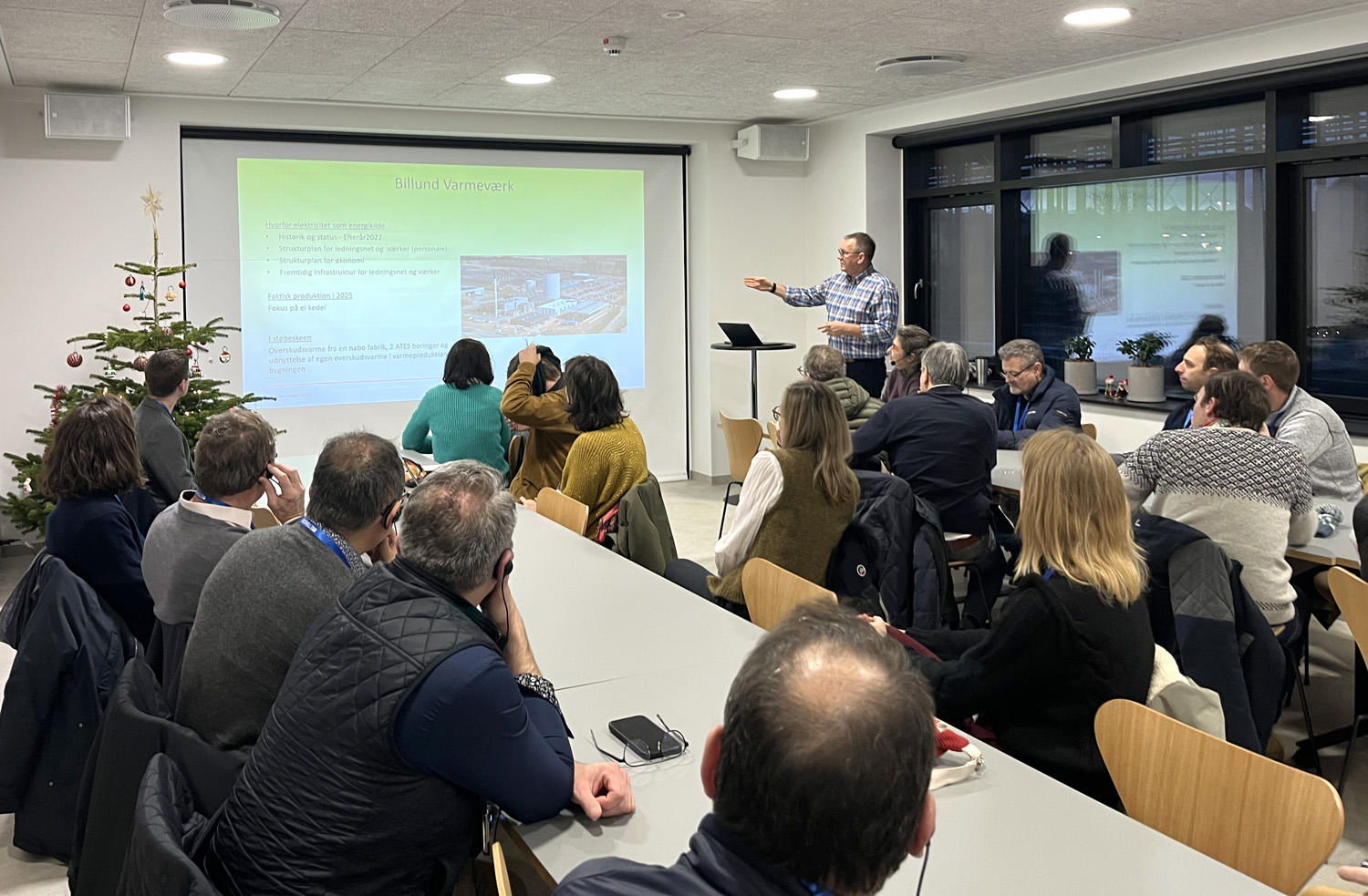
In Billund, the delegation was introduced to Denmark’s cooperative ownership model and a district heating system operating with a renewable share of approximately 93%. The visit illustrated how non-profit ownership ensures stable pricing and long-term investment security.
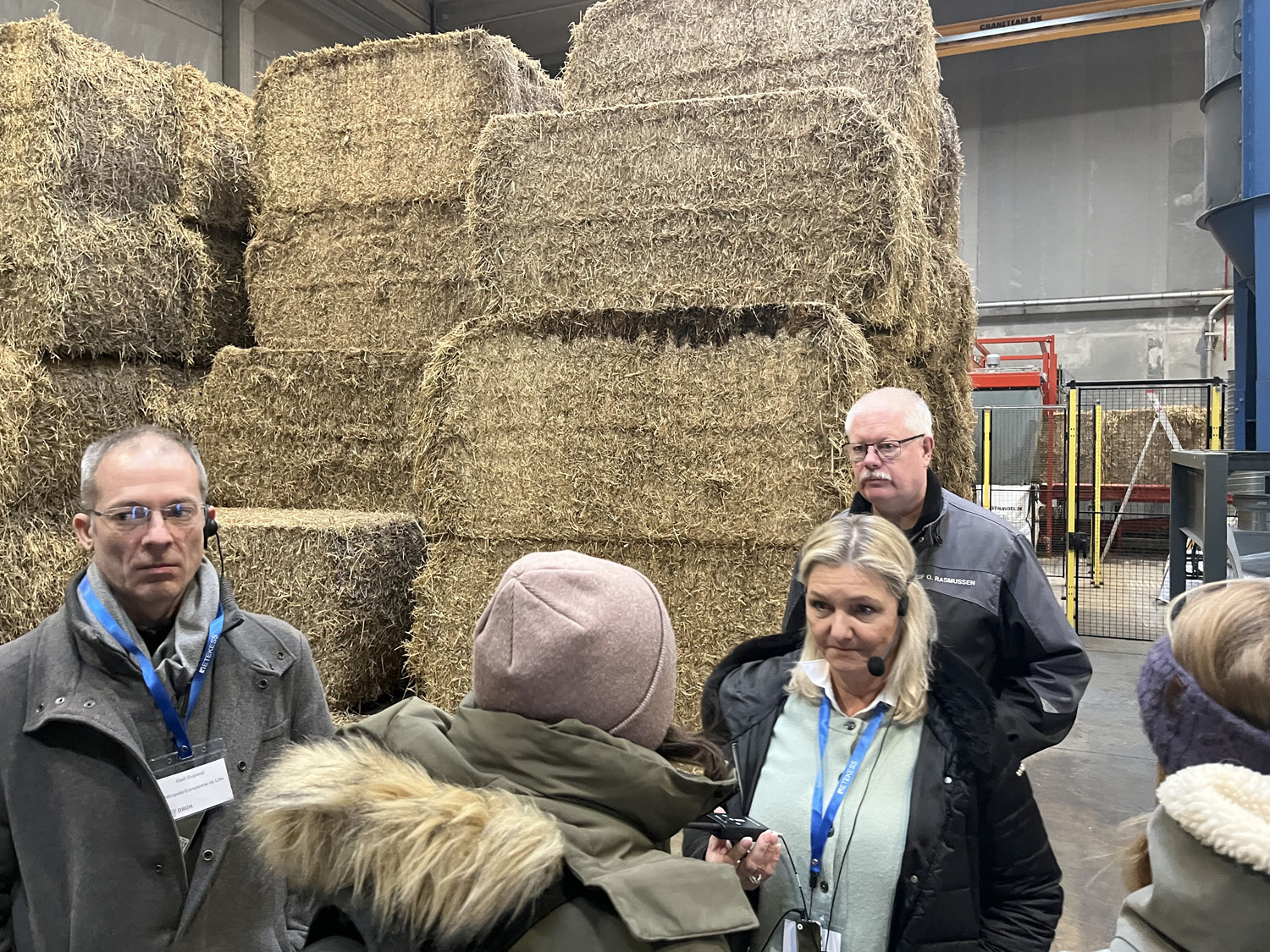
At Egtved District Heating, participants saw a flexible production mix of straw, wood chips, solar thermal, and heat pumps – demonstrating how hybrid renewable solutions strengthen both decarbonisation and energy security.
Integrated heat planning, storage, and sector coupling
In Haderslev, the focus was on integrated heat planning, electric boilers, large-scale heat pumps, and thermal storage. The visit highlighted how digital control and sector coupling increase system flexibility and grid stability.
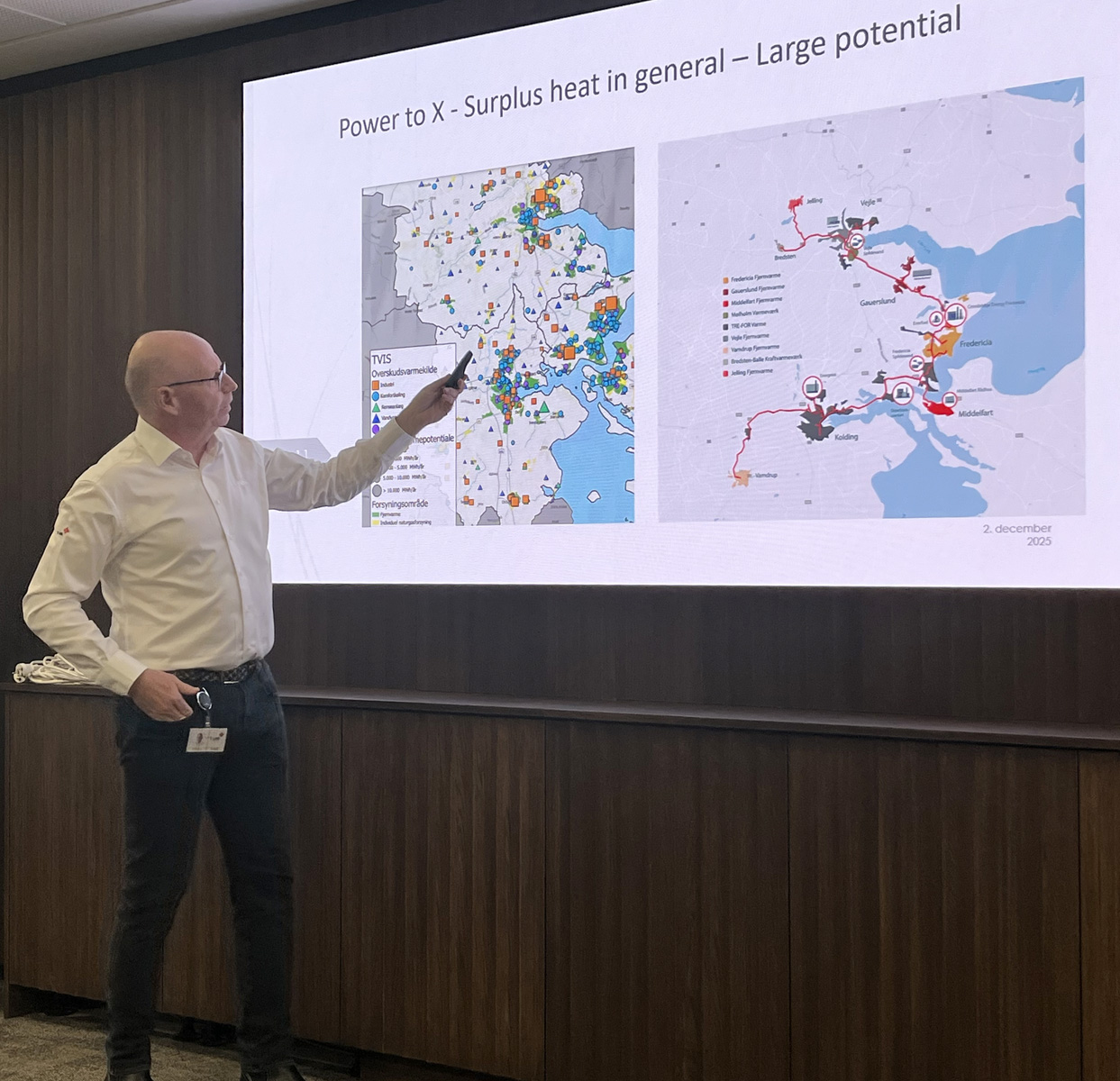
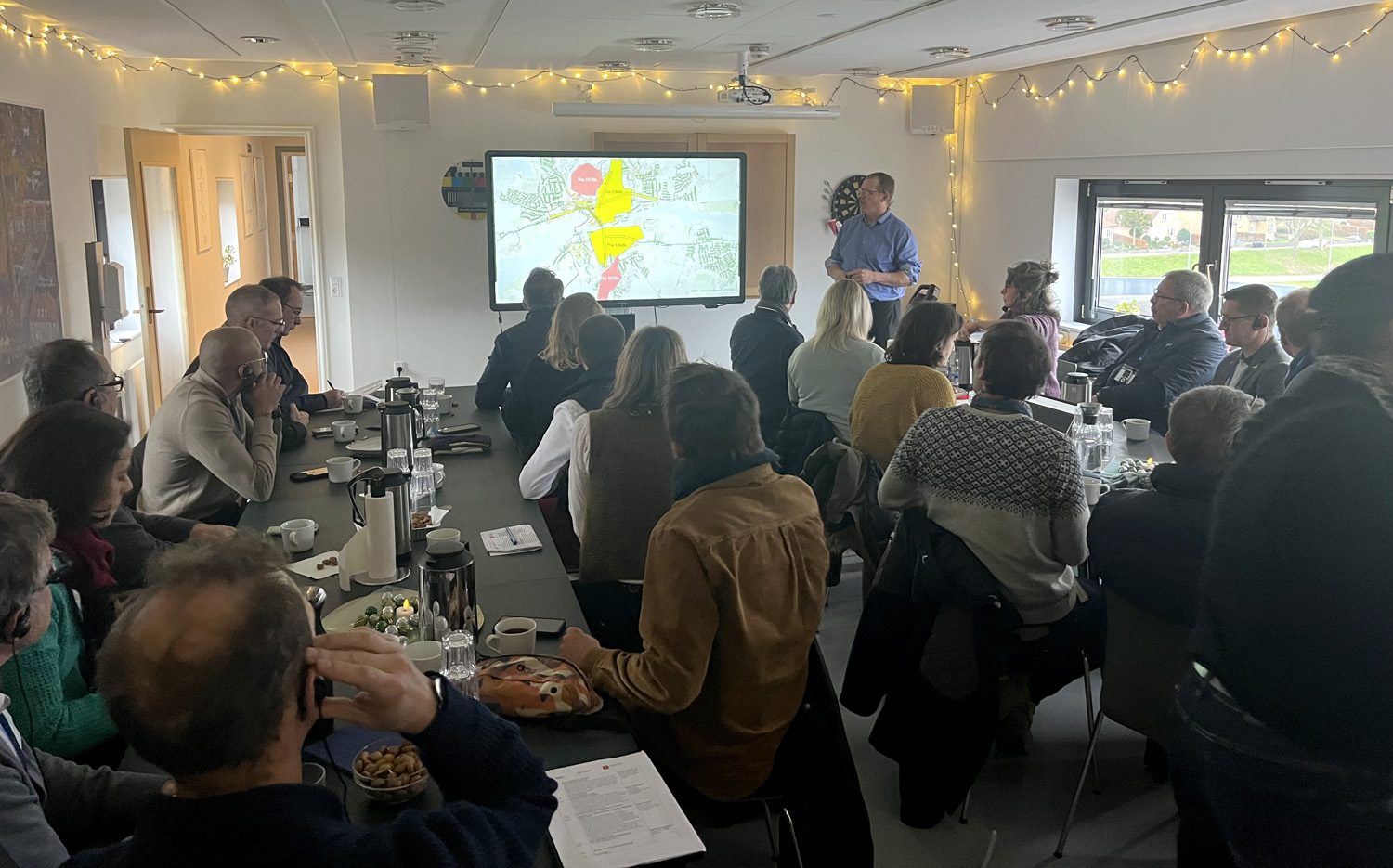
A central strategic element of the tour was the workshop with TVIS, the regional heat transmission company supplying surplus and CHP heat to four municipalities. The discussion demonstrated how regional transmission networks enable large-scale utilization of industrial excess heat and strengthen both climate performance and socio-economic efficiency.
Near carbon-neutral heat and large hybrid systems
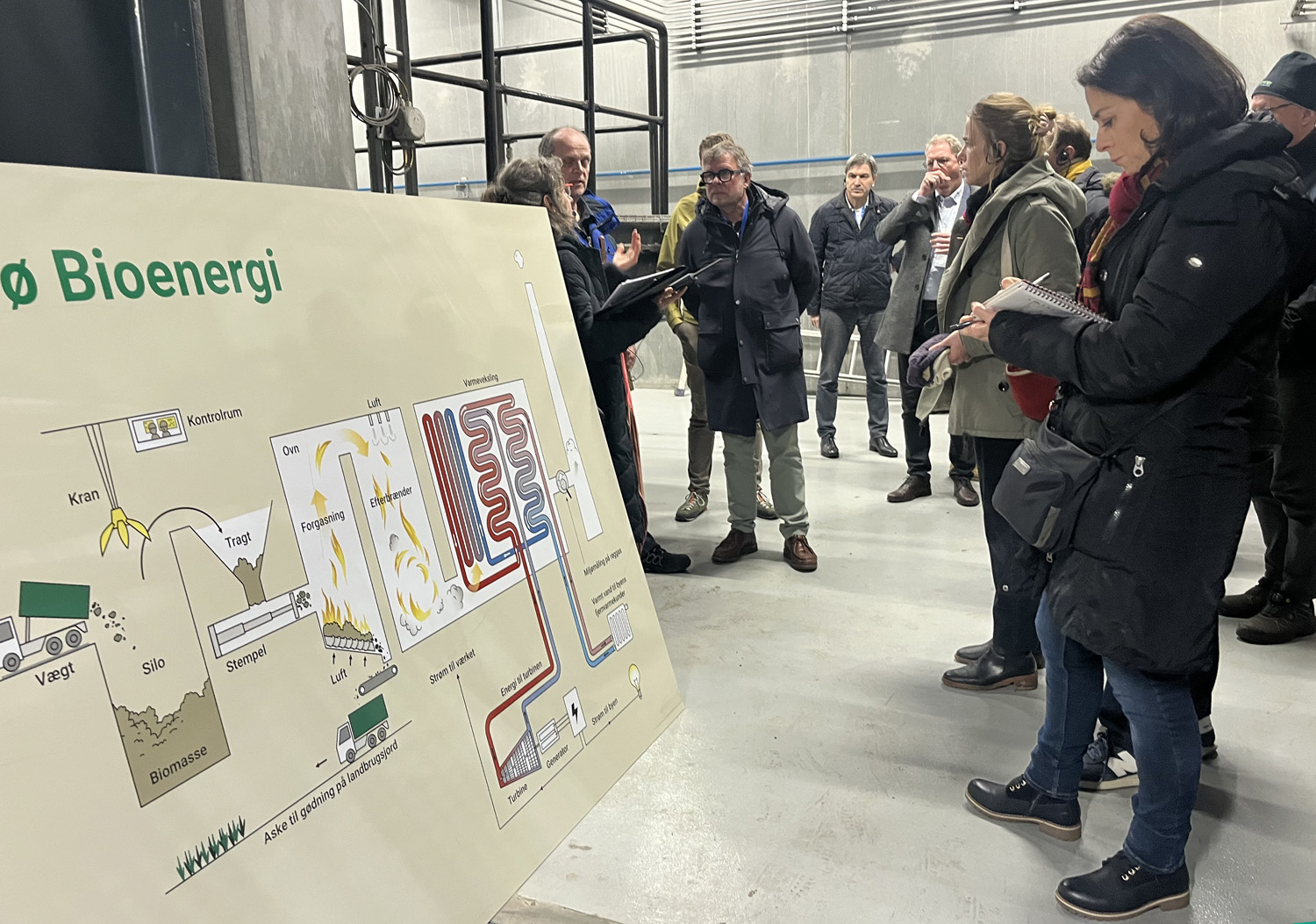
At Nyborg Forsyning, the delegation studied near carbon-neutral heat production based on industrial surplus heat, biogas, and wastewater. The visit showcased circular energy use and advanced thermal storage integration.
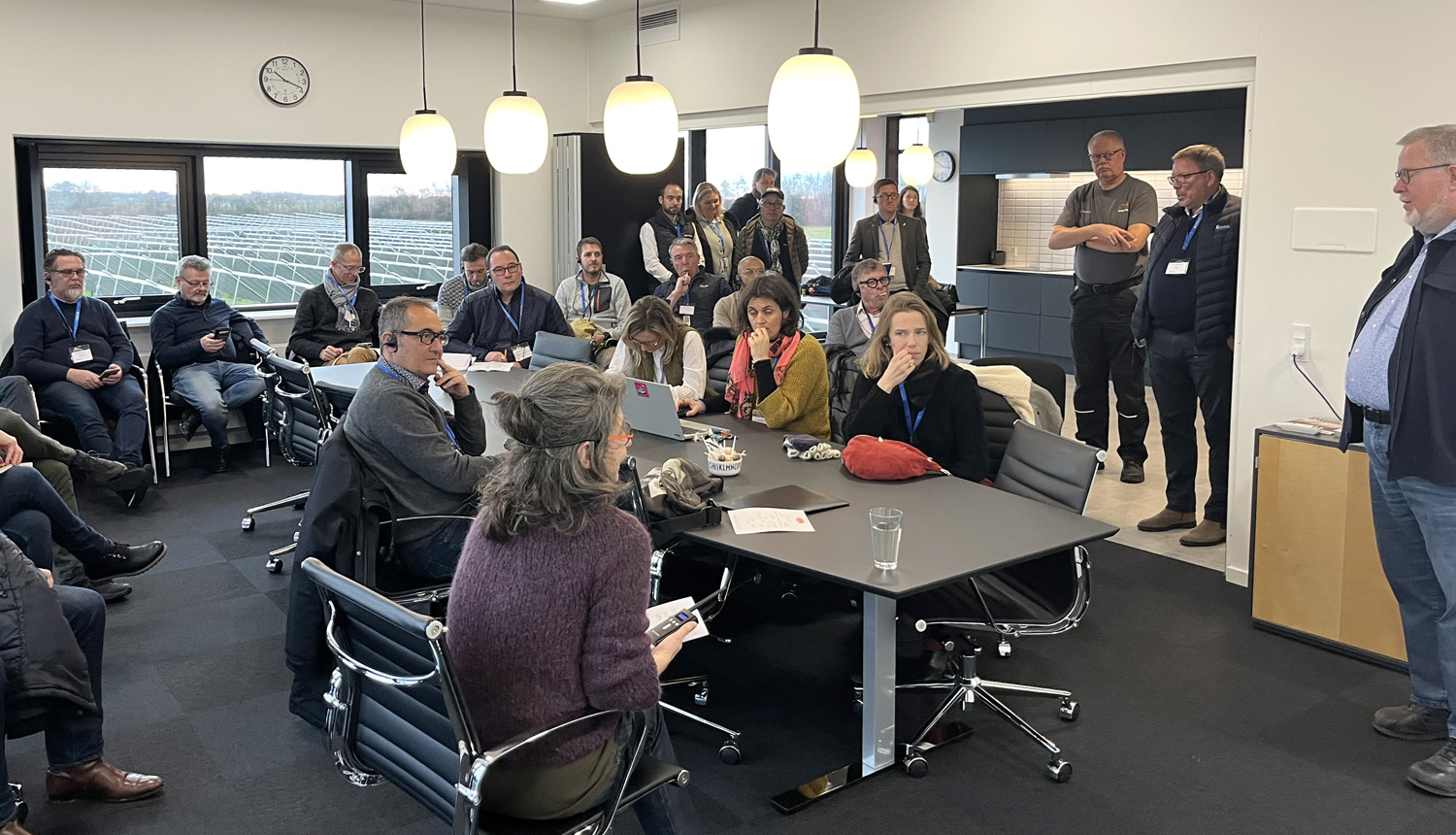
At Envafors in Korsør, a large hybrid system combining biomass, solar thermal, and high-capacity electric heat pumps illustrated how rapid fossil fuel phase-out can be achieved while maintaining high supply security and competitive heat prices.
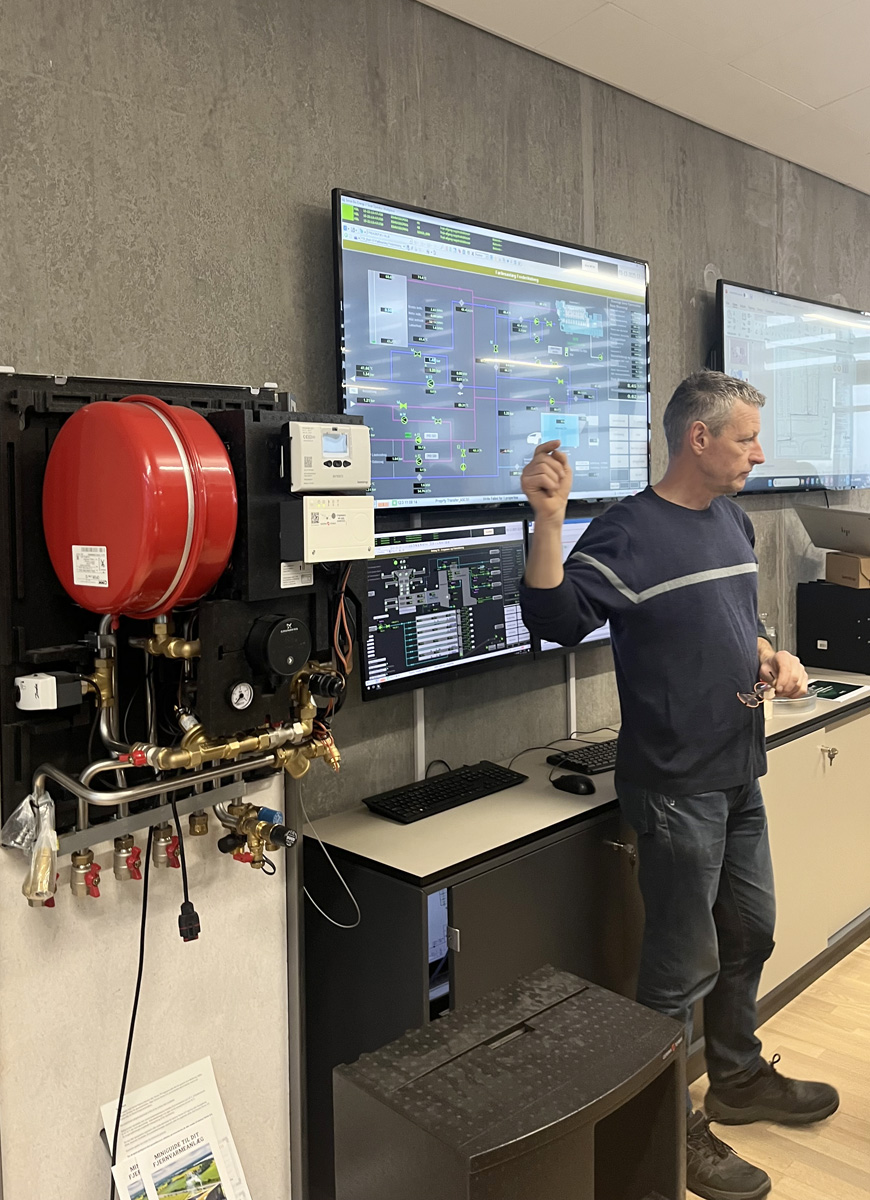
In Sorø, the delegation visited a smaller utility operated under AffaldPlus, where digital monitoring, customer engagement, and subscription-based connection models support district heating expansion in semi-urban areas.
Waste-to-energy and urban integration in Copenhagen
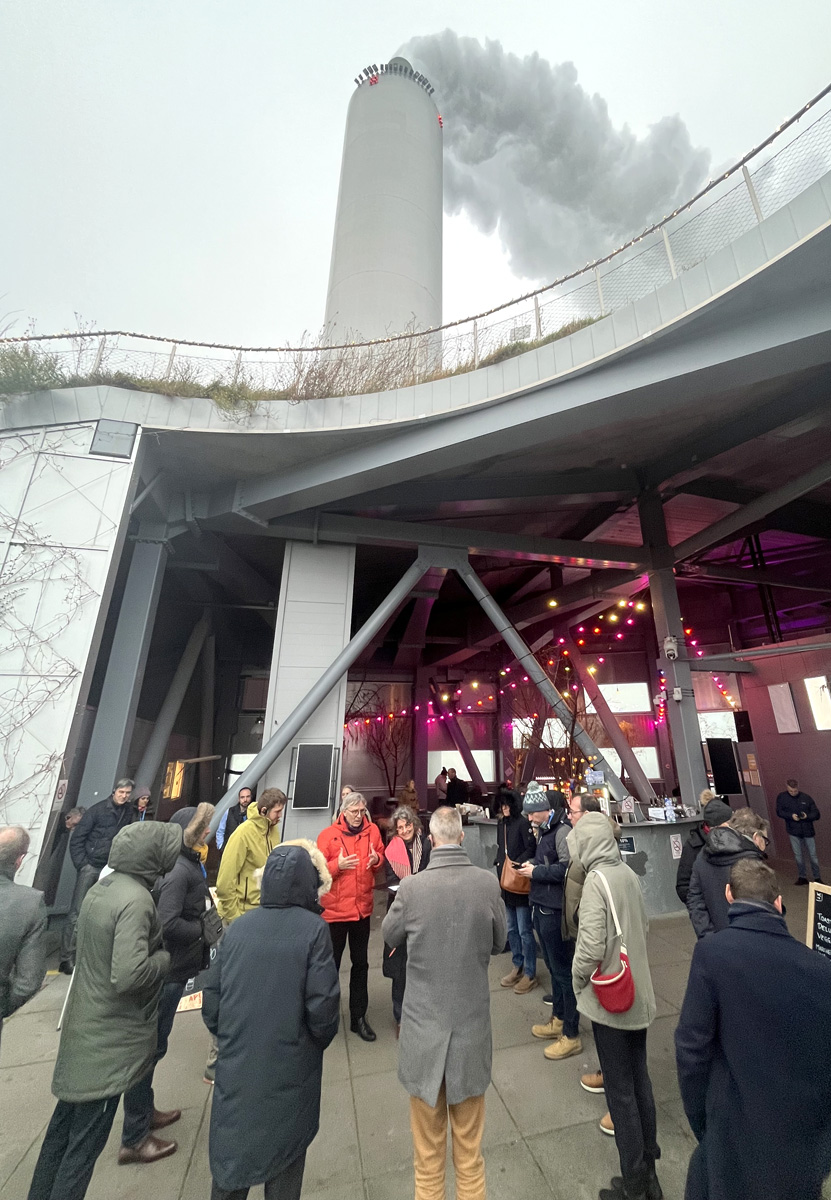
The tour concluded at ARC – Amager Bakke, Copenhagen’s landmark waste-to-energy plant supplying district heating and electricity to the capital region. The visit illustrated how advanced emission control, urban integration, and multifunctional design can coexist with large-scale energy infrastructure.
Strengthening international collaboration
The visit provided the French delegation with hands-on insight into Danish district heating systems across scales – ranging from cooperative utilities to regional transmission networks and metropolitan waste-to-energy production.
DBDH thanks all hosting utilities and speakers for their openness and strong technical knowledge-sharing, and the French delegation for its highly engaged dialogue throughout the program.
You can find all our district energy news here.